Green & Cozy: Eco-Friendly Vineyard Stays Worth Booking
August 25, 2026
No Comments
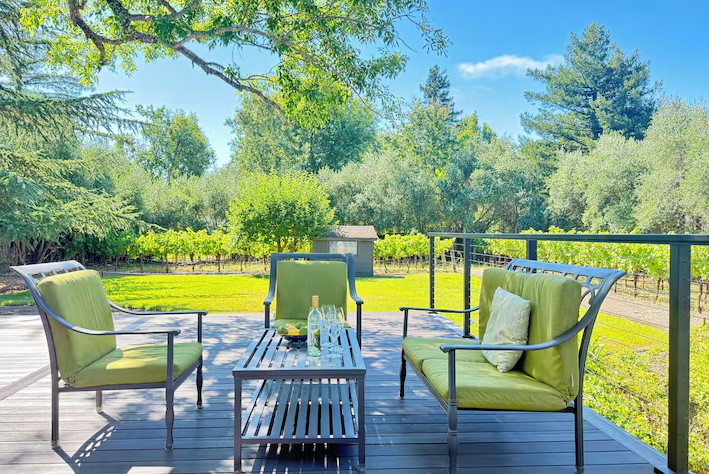
Source:https://media.vrbo.com
I was swirling a glass of biodynamic Cabernet Franc in Tuscany when I noticed something odd: tiny flocks of sheep roaming between the trellises, methodically munching on weeds around the vines. The vineyard owner smiled and told me, “Those are my weed-killers and fertilizer team. Zero gasoline, zero chemicals, pure natural precision.” That single moment shattered everything I thought I knew about high-end wine tourism.
For decades, classic wine country getaways were notorious for heavy water consumption, intensive synthetic pesticide use, and energy-hungry luxury estates. Today, a quiet revolution is sweeping across global wine regions. Mindful travelers are shifting away from resource-draining mega-resorts toward authentic eco-friendly vineyard stays that pair warm, cozy hospitality with zero-compromise environmental stewardship.
                  THE EVOLUTION OF WINE TOURISM

  Traditional Estate Lodging               Eco-Friendly Vineyard Stays
┌──────────────────────────┐            ┌─────────────────────────┐
│ • High water footprint   │            │ • Closed-loop water reuse│
│ • Chemical weed control  │   ──────►  │ • Biodynamic soil care  │
│ • Heavy carbon footprint │            │ • Solar & geothermal power│
│ • Superficial luxury     │            │ • Regenerative luxury   │
└──────────────────────────┘            └─────────────────────────┘
What Makes an Agro-Hospitality Stay Truly Sustainable?
Think of a sustainable vineyard like a healthy human immune system. Instead of relying on constant artificial fixes—like synthetic sprays or chemical fertilizers—the estate builds a natural, self-sustaining ecosystem where soil, native insects, crops, and solar micro-grids work together in perfect harmony.
When evaluating authentic eco-friendly vineyard stays, true sustainability goes far deeper than a wooden sign asking you to reuse your towels. We look for closed-loop agricultural practices, renewable energy independence, and certified green building standards.
Here are the primary indicators of a genuinely green wine country retreat:
-
Regenerative Viticulture & Biodynamics: Estates work with natural planetary cycles, cover crops, and native fauna to enrich the soil without petroleum-based fertilizers.
-
Closed-Loop Water Management: Graywater recycling, rainwater harvesting, and subsurface drip irrigation dramatically reduce agricultural water draw.
-
Low-Impact Architecture: Guest cottages utilize passive solar design, natural clay plaster insulation, and reclaimed timber from old wine casks or local structures.
World-Class Regions Leading the Sustainable Wine Stay Revolution
Over my ten years spent exploring global wine routes, three distinct regions have surfaced as world leaders in combining authentic luxury with rigorous eco-certifications.
1. Marlborough & Hawke’s Bay, New Zealand
New Zealand’s wine industry operates under the strict Sustainable Winegrowing New Zealand (SWNZ) initiative, making it a global gold standard for low-impact viticulture.
Retreats in Marlborough offer architectural farm-cabins built from locally harvested timber, running on 100% renewable energy grids. Expect floor-to-ceiling glass walls overlooking organic Sauvignon Blanc vines, with private hot tubs heated by recycled vine-pruning biomass.
2. Mendoza, Argentina (High Altitude Uco Valley)
Sitting at the foot of the Andes Mountains, Mendoza’s Uco Valley relies on glacial meltwater—a delicate resource that demands extreme conservation precision.
-
Best For: High-altitude desert stays paired with world-class organic Malbec.
-
Key Highlights: Solar-powered adobe casitas, gravity-fed winery architecture that minimizes electricity usage, and organic farm-to-table dining fueled by onsite permaculture gardens.
3. Oregon’s Willamette Valley, USA
Oregon leads North America with the highest density of LIVE (Low Input Viticulture and Enology) and Demeter-certified biodynamic estates.
Accommodations here lean heavily into cozy Pacific Northwest aesthetics. You’ll find rustic-chic timber lodges nestled between organic Pinot Noir vines, complete with geothermal radiant floor heating, EV charging stations, and zero-waste tasting menus.
| Region & Country | Primary Certifications | Signature Varietal | Standout Eco-Feature |
| Marlborough (New Zealand) | SWNZ Organic Certified | Sauvignon Blanc | Biomass heating & solar micro-grids |
| Uco Valley (Argentina) | Demeter Biodynamic | High-Altitude Malbec | Gravity-flow winemaking & adobe design |
| Willamette Valley (USA) | LIVE & LEED Platinum | Pinot Noir | Geothermal heating & zero-waste dining |
| Tuscany (Italy) | Organic Agriculture EU | Sangiovese | Natural livestock grazing & heritage seed care |
Key Amenities to Look For Before Booking
Not every rural stay delivers real environmental benefits. When booking your next green wine escape, scrutinize the property’s technical operational features to ensure your travel dollars support genuine conservation.
Energy Independence and Passive Cooling
True eco-lodges harvest their own energy. Look for properties featuring integrated rooftop solar arrays, subterranean geothermal loops for natural winter heating, and passive cross-ventilation designs that eliminate the need for noisy, power-hungry traditional air conditioners.
Organic Gastronomy & Zero-Km Sourcing
Dining at top-tier eco-friendly vineyard stays should feel like an extension of the surrounding landscape. The culinary program must emphasize:
-
Zero-Kilometer Sourcing: Ingredients harvested directly from onsite gardens or neighboring heritage farms.
-
Vineyard-to-Plate Composting: All organic kitchen waste returned directly to the vineyard soil to build organic humus.
-
Natural Wine Pairings: Minimal-intervention wines crafted without synthetic additives, sulfur overloads, or heavy fining agents.
Pro Tips & Hidden Warnings: Hard-Learned Lessons from the Field
After a decade of auditing eco-resorts around the world, I’ve picked up crucial insights that separate marketing fluff from real sustainability.
Pro Tip: Look for verified third-party eco-certifications before finalizing your reservation. Badges like Demeter (Biodynamic), LEED Certified, LIVE Certified, or B Corp guarantee that an independent auditor verified the property’s environmental and social metrics.
Hidden Warnings to Keep in Mind:
-
Beware “Greenwashing” Terminology: Terms like “eco-inspired,” “nature-focused,” or “green luxury” are often unverified marketing buzzwords. Always check the property’s website for concrete metrics, such as their percentage of solar power generation or water recycling stats.
-
Seasonal Pest Management Realities: True organic and biodynamic vineyards do not spray heavy chemical bug repellents. Pack natural plant-based insect repellent and breathable long-sleeve linen shirts for evening vineyard walks.
-
Transportation Gaps: Many remote eco-vineyards sit far off regional transit lines. Ensure the property offers electric vehicle (EV) charging stations or provides electric shuttle transfers from the nearest regional train station.
Rooted in Nature: The Future of Wine Travel
Choosing where to lay your head in wine country is about more than finding a comfortable mattress and a sunset view. Eco-friendly vineyard stays prove that true luxury doesn’t require environmental degradation—it actually thrives when we work alongside nature.
By choosing stays that harvest their own clean energy, protect local water supplies, and nourish the soil through biodynamic farming, you turn your holiday into a vote for a cleaner, greener global travel culture.
Have you ever stayed at an organic or biodynamic vineyard estate, or is a green wine escape on your upcoming travel itinerary? Drop your favorite spots in the comments below, or ask your burning questions so I can help you pick the perfect green sanctuary for your next getaway!