Base to Summit: Trekking Camps for Global Hikers
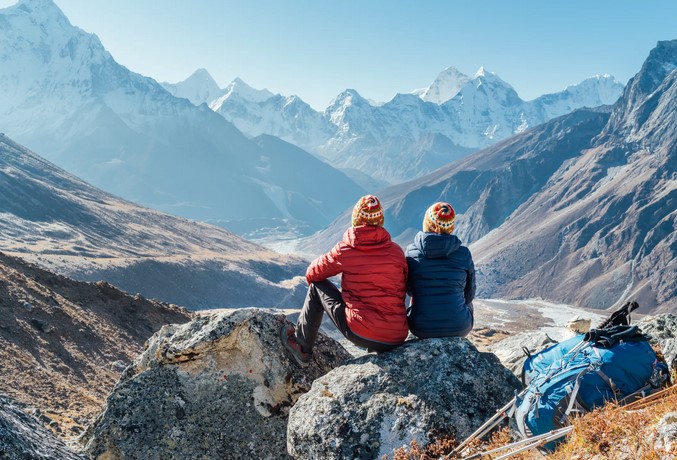
Source:https://www.thetimes.com
From the foothills of remote mountain ranges to the icy approaches of the world’s highest peaks, trekking infrastructure has evolved to meet the expectations of modern adventurers. Today’s trekking base camps are no longer mere clusters of tents at the edge of wilderness trails; they are thoughtfully organized hubs designed to support safety, sustainability, and comfort in some of the planet’s most challenging terrains. As global hiking communities expand and interest in high-altitude exploration grows, these camps serve as essential gateways between civilization and summit, offering preparation, acclimatization, and community for trekkers of all experience levels.
The Evolution of Trekking Infrastructure
Historically, mountain expeditions required participants to carry nearly all necessary supplies, from food provisions to shelter equipment. Early expeditions often relied on temporary encampments that were quickly assembled and dismantled, with limited regard for environmental impact. Over time, as trekking transformed from elite mountaineering pursuits into accessible adventure tourism, the concept of the base camp matured.
Modern trekking camps now function as logistical centers. They coordinate porter services, manage waste systems, provide weather updates, and offer medical assistance. In regions such as the Himalayas, Andes, and African highlands, structured base camps support thousands of trekkers annually. These facilities often include designated cooking areas, sanitation systems, communication hubs, and emergency response resources.
This evolution reflects broader changes in outdoor travel. Hikers today expect not only breathtaking scenery but also responsible management and reliable safety measures. Governments and local communities have recognized the economic potential of trekking tourism, investing in improved trail infrastructure and regulated camp operations. As a result, base camps have become integral to sustainable adventure travel models.
Importantly, the development of permanent or semi-permanent camp facilities has reduced the environmental degradation historically associated with large expeditions. By centralizing services, operators can better manage waste disposal, fuel usage, and water sourcing. This structured approach protects fragile ecosystems while enhancing the overall trekking experience.
Designing the Modern Trekking Base Camp Experience
The design of a successful base camp requires careful planning. It must balance accessibility with minimal ecological disruption, comfort with practicality, and community with privacy.
Smart Infrastructure for Safety and Sustainability
Contemporary base camps prioritize environmental stewardship. Many employ solar-powered lighting systems to reduce reliance on fossil fuels. Water filtration units minimize plastic waste by eliminating the need for bottled water. Composting toilets and controlled waste management systems help maintain sanitation standards without contaminating nearby landscapes.
Tent platforms or modular cabin structures are often constructed using locally sourced materials, ensuring durability while blending with the natural surroundings. Elevated sleeping platforms can protect against ground moisture and improve insulation in colder climates. In higher altitudes, reinforced tents designed to withstand extreme winds and snowfall are standard.
Safety remains paramount. Base camps frequently host trained guides and support staff who monitor altitude acclimatization and track weather developments. Communication tools such as satellite phones and GPS tracking devices provide an added layer of security, particularly in remote regions where traditional networks are unavailable.
Medical preparedness is another critical component. Basic first-aid facilities and oxygen supplies are often maintained on-site. Staff are typically trained to recognize symptoms of altitude sickness, dehydration, and hypothermia, ensuring timely intervention when necessary.
Community spaces also define the modern base camp. Shared dining tents or central gathering areas encourage interaction among trekkers from diverse backgrounds. These social hubs foster camaraderie and provide opportunities to exchange insights, experiences, and route information. For many hikers, these connections are as memorable as the summit itself.
Cultural and Environmental Integration
Successful trekking camps extend beyond logistical support; they integrate cultural awareness and environmental education into the trekking journey. In many mountainous regions, local communities play a central role in camp operations. Hiring local guides, cooks, and porters not only generates employment but also enriches the trekker’s understanding of regional traditions and histories.
Cultural orientation sessions are increasingly common at base camps. These briefings may include guidance on respectful behavior, conservation practices, and local customs. By fostering mutual respect, camps help ensure that tourism benefits host communities without compromising cultural heritage.
Environmental education initiatives further elevate the trekking experience. Camps often promote “leave no trace” principles, encouraging trekkers to minimize waste, respect wildlife, and avoid damaging vegetation. Some camps even organize volunteer clean-up activities along popular routes, reinforcing a shared responsibility for preservation.
Additionally, base camps are adapting to seasonal variations. In warmer months, they may serve as hubs for multi-day hiking circuits, wildlife observation tours, and alpine photography workshops. During colder seasons, specialized equipment and insulation measures allow for safe winter trekking operations. This year-round adaptability strengthens local economies and distributes tourist activity more evenly across the calendar.
Technological integration also plays a growing role. Digital check-in systems, route mapping applications, and real-time weather dashboards provide trekkers with critical information before departure. While connectivity remains limited in remote regions, selective technological enhancements improve efficiency without detracting from the wilderness experience.
A New Concept: Adaptive Modular Trekking Camps
Looking ahead, an innovative approach to base camp design is gaining attention: adaptive modular camps. These camps utilize prefabricated, lightweight modules that can be transported and assembled with minimal environmental impact. Designed for flexibility, modules can be expanded during peak seasons and reduced during quieter periods.
This system allows operators to respond dynamically to changes in demand while preserving the surrounding landscape. Modular designs may incorporate insulated panels for high-altitude conditions or breathable materials for warmer climates. Integrated renewable energy systems, including portable solar arrays and battery storage units, enhance sustainability.
Adaptive modular camps also enable rapid deployment in emerging trekking destinations, where permanent infrastructure may not yet exist. By maintaining a lower ecological footprint and offering scalable services, this concept represents the next phase in responsible adventure tourism.
Preparing for the Journey from Base to Summit
For trekkers, the base camp experience is more than a starting point; it is a vital phase of preparation. Acclimatization schedules, equipment checks, nutritional planning, and mental readiness all converge at this stage. A well-managed camp can significantly influence the success and safety of the expedition.
Hydration stations, balanced meal offerings, and rest areas help hikers adjust gradually to altitude changes. Briefings on route conditions and potential hazards provide clarity and confidence. Even simple amenities such as charging stations for essential devices or secure storage areas for personal belongings enhance preparedness.
Moreover, the psychological aspect of gathering at a base camp should not be underestimated. Sharing stories with fellow trekkers, observing the towering peaks above, and engaging in final preparations create a collective anticipation that fuels motivation for the ascent.
From logistical coordination and safety oversight to cultural integration and sustainable design, base camps have become indispensable pillars of global trekking culture. They transform daunting landscapes into accessible adventures while safeguarding both participants and environments. As innovation continues to refine camp infrastructure and adaptive modular concepts reshape deployment strategies, the future of high-altitude travel looks increasingly responsible and inclusive. For modern explorers seeking structured support on their ascent, thoughtfully designed trekking base camps provide the essential bridge from preparation to peak—ensuring that every step from base to summit is both purposeful and rewarding.