Stories in Song: Cultural Opera Tours Around the Globe
Source:https://d11vyokdyewbcr.cloudfront.net
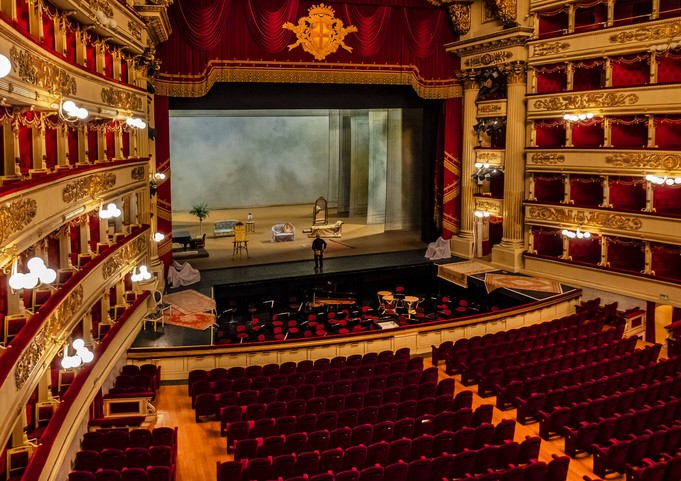
Imagine standing under the gilded ceiling of a 19th-century opera house, the smell of aged velvet and expensive perfume lingering in the air. Suddenly, the lights dim, a hush falls over two thousand people, and a single soprano note pierces the silence—so powerful it vibrates in your ribs, yet so delicate it feels like it might break.
I’ve spent over a decade traversing the globe, but nothing quite matches the “culture shock” of a live opera. Many travelers avoid cultural opera tours because they fear they won’t understand the language or, worse, they’ll be bored. But here is the secret I’ve learned after sitting in the nosebleed seats in Milan and the royal boxes in Vienna: Opera isn’t just “fancy singing.” It is the original 4D cinema—a raw, unedited explosion of human emotion that transcends language barriers.
Why Cultural Opera Tours are the Ultimate Travel Hack
For the uninitiated, an opera house is like a city’s “living room.” It’s where history, architecture, and social customs collide. When you book cultural opera tours, you aren’t just buying a ticket to a show; you are gaining access to the architectural soul of a destination.
I remember my first time at La Scala in Italy. I was worried my “backpacker chic” outfit would get me kicked out. What I discovered was that while the setting is grand, the passion is democratic. Opera is the heartbeat of these cities. If a cathedral shows you how a city prayed, the opera house shows you how they loved, fought, and dreamed.
The Anatomy of an Opera House
Think of an opera house like a giant acoustic instrument. Every curve of the wood, every heavy curtain, and every angle of the balcony is engineered to carry a human voice over a 60-piece orchestra without a single microphone.
When you tour these spaces, look for the “Proscenium Arch” (the frame around the stage) and the “Orchestra Pit.” In many historical tours, you’ll even get to see the “fly system”—the complex series of ropes and pulleys used to change massive sets in seconds. It’s essentially the 18th-century version of CGI.
Top Destinations for Authentic Cultural Opera Tours
If you are ready to dive in, you need to know where the acoustics meet the atmosphere. Not all tours are created equal, and some cities offer a much deeper “behind-the-scenes” look than others.
1. Italy: The Birthplace of Passion
You cannot talk about cultural opera tours without starting in Italy. In cities like Milan, Venice, and Verona, opera is treated with the same intensity as football.
-
Teatro alla Scala (Milan): This is the “Mount Everest” of opera. The museum tour here is essential for beginners because it houses original scores by Verdi and Puccini.
-
Arena di Verona: For a mid-level enthusiast, nothing beats the summer festival here. It’s an ancient Roman amphitheater where the acoustics are so perfect you can hear a pin drop from the back row.
2. Austria: The Imperial Standard
Vienna is where the “technical” meets the “magical.” The Wiener Staatsoper (Vienna State Opera) offers some of the most detailed technical tours in the world.
-
The Repertoire System: Unlike many theaters that play one show for a month, Vienna uses a “repertory” system, changing the production almost every single night.
-
Standing Room Tickets: A “pro tip” for budget travelers: Vienna sells standing-room tickets for just a few Euros eighty minutes before the show. It’s the best way to test the waters without a heavy financial commitment.
3. Australia: The Modern Icon
The Sydney Opera House is perhaps the most recognizable building in the world, but few people actually know what happens inside those “sails.”
-
Backstage Tours: These tours take you into the “bowels” of the building. You’ll see the rehearsal rooms and the massive lifts that move scenery from the harbor level up to the stage. It is a masterclass in modern engineering.
Making Sense of the Performance: An Analogy for Beginners
If the thought of a three-hour show in Italian sounds daunting, think of it this way: Opera is basically a high-budget soap opera mixed with a rock concert.
The plots are never complicated. It’s usually: Person A loves Person B, but Person C is jealous and poisons a chalice. You don’t need to understand every word of the “Libretto” (the text) to understand the “Aria” (the big solo song). The music does the heavy lifting. When the music is frantic, someone is scared. When it’s slow and soaring, someone is heartbroken. It’s the most intuitive form of storytelling on Earth.
Practical Advice for Your First Cultural Opera Tour
To ensure your experience is “Bravissimo” rather than a disaster, there are a few technicalities you need to master.
Dress Codes and Etiquette
While the “tuxedo and gown” era is fading, most European houses still appreciate Business Casual.
-
The “Silent” Rule: In an opera house, your body is part of the acoustic environment. This means no whispering and, for the love of the arts, turn off your phone.
-
Coughing: If you have a tickle in your throat, unwrapping a cough drop during a quiet aria sounds like a grenade going off. Unwrap your sweets before the lights go down.
Understanding the “Supertitles”
Don’t worry about the language barrier. Almost every modern opera house now uses “Supertitles”—digital screens above the stage (or on the back of the seat in front of you) that provide live translations in English. It’s just like watching a movie with subtitles.
Pro Tips & Hidden Warnings
Pro Tip: The “Sightline” Secret
When booking tickets for cultural opera tours, “Category 1” seats (the most expensive) aren’t always the best for the sound. Because sound rises, the “First Tier” or “Upper Circle” often provides a more balanced acoustic experience than the front row of the stalls. Plus, you get a better view of the intricate floor patterns and the orchestra’s movements.
The Intermission Rush
Intermissions in grand opera houses are notoriously short—usually 20 minutes. If you want a glass of champagne, pre-order it at the bar before the show starts. They will have it waiting for you at a numbered table, allowing you to skip the 100-person queue and feel like a true VIP.
Essential LSI Vocabulary for the Savvy Traveler
To sound like a pro on your next tour, keep these terms in your back pocket:
-
Aria: A self-contained piece for one voice; the “hit song” of the opera.
-
Overture: The orchestral introduction that plays before the curtain rises.
-
Intermezzo: A short musical piece played between acts.
-
Bravo/Brava: Shout “Bravo” for a man, “Brava” for a woman, and “Bravi” for the whole cast.
The Lasting Impact of Music on Travel
When I look back at my journals from the last decade, the entries about museums and monuments often blur together. But I can tell you exactly how I felt during the final act of La Bohème in a tiny theater in Prague.
Cultural opera tours give you a sensory anchor to a city. They force you to slow down, put away the camera, and truly listen to the history of the place you are visiting. It’s an investment in a memory that doesn’t fade.
Which city’s opera house has always been on your bucket list, or are you still a bit nervous about the “opera etiquette”? Let’s chat in the comments—I’d love to help you pick your first performance!