Songs of the Land: Cultural Folk Tours to Discover
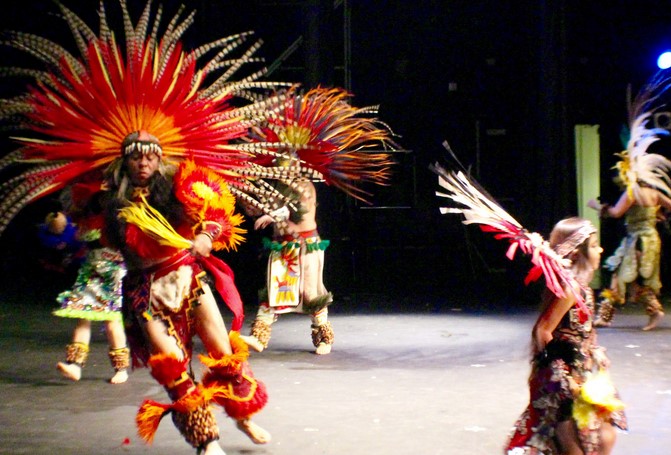
Source:https://danceengagements.org
The smell of woodsmoke and fermented mare’s milk filled the air as the first guttural note vibrated through the ground. I wasn’t in a concert hall; I was sitting on a hand-woven rug inside a felt yurt in the Mongolian steppe. The performer wasn’t just singing; he was practicing Khuumi (throat singing), producing two pitches simultaneously—a low drone like a tectonic plate shifting and a high whistle like a bird over the mountains. In that moment, I realized that 90% of travelers spend their entire lives looking at monuments while completely missing the “living” monuments standing right in front of them.
Most people treat culture like a checklist of museums and statues. But after a decade of navigating the world’s most remote corners, I’ve learned that the heartbeat of a nation isn’t found in a glass display case. It’s found in cultural folk tours—journeys specifically designed to connect you with the Intangible Cultural Heritage (ICH) of a community.
If you’ve ever left a country feeling like you only touched the surface, it’s because you were looking at the “shell” of the culture. This guide is about finding the “pearl.”
Why Cultural Folk Tours are the Ultimate Travel Upgrade
Think of a standard city tour as a movie trailer—it’s flashy, fast, and shows you only the highlights. A cultural folk tour, on the other hand, is the behind-the-scenes documentary. It’s messy, authentic, and explains why things are the way they are.
In technical terms, these tours focus on Ethnomusicology and Oral Traditions. When you join cultural folk tours, you aren’t just listening to music or watching a dance; you are witnessing a community’s “Operating System.” These traditions are the code that has kept their identity alive through wars, migrations, and globalization.
The “Acoustic Ecology” of a Place
One fascinating technical aspect I’ve observed is how geography shapes folk traditions. In the deep valleys of the Basque Country, folk calls were designed to carry across echoes. In the flat deserts of Rajasthan, the music is percussive and sharp to pierce the vast silence. Understanding this connection between the land and the song is the first step to becoming a more mindful traveler.
Global Destinations for Immersive Folk Experiences
If you are ready to move beyond the tourist traps, these three regions offer some of the most profound cultural folk tours currently available for curious souls.
1. Transylvania, Romania: The Last Medieval Landscape
Forget the vampire myths. The real magic of Transylvania is its “Living Folk” culture.
-
The Experience: Tours here often focus on village crafts and “Doina” (a melancholic, improvisational folk song). You’ll visit blacksmiths using 18th-century techniques and weavers who turn raw wool into intricate storytelling tapestries.
-
The Personal Insight: I once spent a week in Maramureș. I learned that the patterns on a wooden gate aren’t just decorations; they are a family’s “CV,” telling you their status, their history, and their protection rituals.
2. Solo and Yogyakarta, Indonesia: The Soul of Java
Since I’ve spent a significant amount of time in Central Java, I can tell you that the “Wayang Kulit” (shadow puppet) tours are a masterclass in folk philosophy.
-
The Experience: These tours shouldn’t just show you the performance. A deep-dive tour takes you to the Dalang’s (puppet master) workshop to see how buffalo hide is carved into lace-like precision.
-
Key Insight: The music of the Gamelan is mathematically complex. Unlike Western music based on an 8-note scale, Gamelan uses Slendro and Pelog scales that create a “shimmering” effect due to intentional slight detuning between instruments.
3. The Appalachian Trail, USA: Roots and Bluegrass
Folk culture isn’t just “ancient” history; it’s evolving. In the mountains of North Carolina and Virginia, the “Crooked Road” tour explores the roots of American music.
-
The Experience: This is about the fusion of African banjo rhythms and Scotch-Irish fiddle tunes.
-
Pro Tip: Look for “Friday Night Jamborees” in local general stores. These aren’t staged for tourists—it’s just the community keeping their “social fabric” tight.
Navigating the Ethics: Experience vs. Exploitation
When booking cultural folk tours, beginners often struggle to tell the difference between an authentic exchange and a “Human Zoo.” Here is my technical checklist for an ethical experience:
-
Community Ownership: Does the money go directly to the performers and artisans? Authentic folk tours are usually managed by local cooperatives, not massive international agencies.
-
The “Performance” Context: Is the dance happening because it’s a festival day, or is it happening because a bus pulled up? Seek tours that coincide with Local Calendars and Lunar Cycles for the most genuine energy.
-
Photography Protocols: In many folk cultures, certain songs or rituals are sacred. I always ask, “Is this a ‘sharing’ moment or a ‘sacred’ moment?” If it’s sacred, the camera stays in the bag.
Expert Advice: Tips for the Cultural Explorer
To make the most of your journey into the world of folk traditions, keep these “Travel Blogger” secrets in mind:
1. The “Kitchen Door” Rule
The best folk culture happens near food. If a tour offers a “cooking demonstration,” take it. Folk music and folk food are usually siblings—they share the same rhythm. In Georgia (the country), the Supra (feast) is inseparable from polyphonic singing. You cannot understand one without the other.
2. Don’t Look for “Perfect”
In Western pop music, we want every note to be perfect. In folk traditions, the “imperfections”—the crack in a voice, the rough texture of a hand-hewn flute—are where the soul lives. We call this Wabi-Sabi in Japan or Duende in Spain. Embrace the raw edges.
3. Hidden Warning: The “Souvenir Trap”
Many cultural folk tours end at a gift shop. Pro Warning: If the “traditional craft” you are buying looks identical to the one in the next town, it was likely mass-produced in a factory elsewhere. Look for the “Artist’s Mark.” True folk art has individual variations that no machine can replicate.
Preparing Your Palate for Folk Discovery
If you are a beginner, cultural immersion can feel like “sensory overload.” It’s like trying to read a book in a language you only half-understand.
-
Step 1 (Pre-Trip): Listen to field recordings. Organizations like the Smithsonian Folkways or UNESCO’s Intangible Heritage list have incredible archives.
-
Step 2 (On the Ground): Find a local “Cultural Intermediary.” This is a guide who isn’t just a translator but a member of the community who can explain the nuance behind a gesture or a lyric.
-
Step 3 (Post-Trip): Don’t just leave the experience behind. Write down the stories you heard. Folk culture survives through Oral Transmission, and by sharing your experience, you become a small part of that chain.
Summary: Becoming a Part of the Song
At its core, participating in cultural folk tours is an act of preservation. By showing interest in a dying dialect, a traditional dance, or an ancient weaving technique, you are providing the economic and social incentive for the next generation to keep those traditions alive.
You’ll find that the more you listen to the “Songs of the Land,” the more you realize that despite our different languages and landscapes, we all sing about the same things: love, loss, the harvest, and the mystery of the stars.
Have you ever witnessed a cultural performance that gave you goosebumps? Or perhaps you’ve stumbled upon a local tradition in a place you didn’t expect? I’d love to hear about your most “soul-stirring” cultural moments in the comments below!