Canvases of Culture: Art Galleries Across the World
August 30, 2026
No Comments
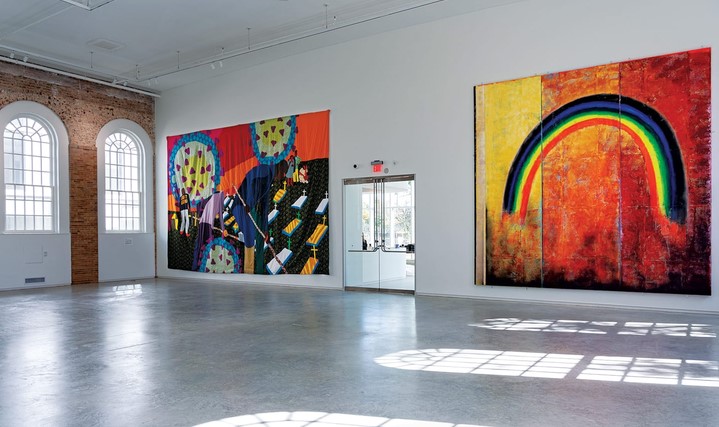
Source:https://galeriemagazine.com
You stand in a two-hour ticket queue under the blazing sun, squeeze through a wall of selfie sticks, and finally reach the front row—only to stare at a famous painting through bulletproof glass from twenty feet away while an usher shushes the crowd. We’ve all been trapped in that exhausted museum hustle. Spending more time dodging tour groups than actually connecting with world-class creativity is the ultimate art travel tragedy.
After a decade of exploring global creative capitals, logging hundreds of hours inside curated halls from Paris to Kyoto, I can tell you that art travel shouldn’t feel like a high-stress endurance test. Navigating cultural art galleries effectively comes down to spatial awareness, understanding gallery curation styles, and knowing when to ditch the mega-museums for intimate, neighborhood-level art hubs.
                    THE GALLERY EXPLORATION MATRIX

   The Tourist Rush Trap                  Strategic Art Exploration
┌──────────────────────────┐            ┌─────────────────────────┐
│ • Exhausting mega-queues │            │ • Timed-entry booking   │
│ • Surface-level viewing  │   ──────►  │ • Deep curatorial focus │
│ • Overcrowded corridors  │            │ • High intimacy index   │
│ • "Museum fatigue" burnout│            │ • Local cultural context│
└──────────────────────────┘            └─────────────────────────┘
Why Cultural Art Galleries Offer the Ultimate Travel Reset
Think of a well-curated gallery like a living time machine powered by human emotion. Instead of reading a dry history textbook about a nation’s revolutions, shifts, or golden eras, you walk directly into the sensory headspace of the visionaries who lived through those moments.
When you step inside top-tier cultural art galleries, you shift from an everyday tourist into an active cultural investigator.
Here is why making room for gallery exploration elevates any itinerary:
-
Contextual Cultural Immersion: Art reflects the social, political, and spiritual climate of its home city better than any generic city tour ever could.
-
Masterful Spatial Design: Modern galleries are architectural marvels, engineered with precise lighting, sound dampening, and climate control to optimize your viewing state.
-
Protection from “Museum Fatigue”: Focused, thematic galleries give you rich artistic exposure in 90-minute visits without causing mental exhaustion.
Global Gallery Destinations That Redefine Art Travel
Over ten years of boots-on-the-ground exploration, three distinct global destinations stand out for their innovative curation, rich heritage, and sheer artistic impact.
1. Paris, France: Beyond the Overcrowded Halls
While everyone crushes into the Louvre to glimpse the Mona Lisa, savvy art lovers head to smaller, highly focused institutions that offer pure, unhurried brilliance.
Properties like the Musée de l’Orangerie house Monet’s massive Water Lilies (Nymphéas) in custom-built oval rooms that wash visitors in natural ambient light. Meanwhile, the Centre Pompidou offers an industrial, radical playground for high-concept modern creations.
2. Kyoto, Japan: Where Traditional Craft Meets Modern Expression
Kyoto’s gallery scene seamlessly bridges centuries-old ink painting and woodblock techniques with cutting-edge digital installations.
-
Best For: Travelers seeking serene, minimalist spaces paired with deep heritage craftsmanship.
-
Key Highlight: Navigating low-slung Machiya townhouse galleries in the Gion district, where contemporary ceramics sit alongside classical Japanese garden views.
3. Mexico City, Mexico: Bold Surrealism & Indigenous Roots
Mexico City is a vibrant powerhouse for visual arts, exploding with bold color, political murals, and groundbreaking contemporary spaces.
From the iconic Museo Frida Kahlo (La Casa Azul) in Coyoacán to the cutting-edge spaces of Museo Tamayo in Chapultepec Park, the city offers an unmatched dive into Latin American identity, indigenous roots, and modern surrealism.
| Destination | Primary Art Focus | Ideal Visit Length | Gallery Vibe |
| Paris (France) | Impressionism & Modern Masterpieces | 2–3 Hours | Historic opulence meets sleek curation |
| Kyoto (Japan) | Traditional Craft & Zen Minimalism | 1.5–2 Hours | Serene, intimate, natural lighting |
| Mexico City (Mexico) | Muralism, Surrealism & Contemporary | 2–3 Hours | Bold, expressive, rich cultural narrative |
| Florence (Italy) | Renaissance Masterworks & Sculpture | 3–4 Hours | Grand architectural halls & classical history |
Technical Elements: How Galleries Control Your Experience
Navigating art institutions isn’t just about admiring brushstrokes—it’s about understanding how gallery space, lighting design, and curatorial layout influence how you process artwork.
Lighting Architecture & Conservation Engineering
Notice how lighting shifts dramatically between classical and modern wings? Conservation-grade galleries use precise lux levels and UV-filtering glass to protect natural pigments from fading over time.
High-end institutions utilize indirect ambient daylighting paired with micro-spotlights, ensuring you see true color saturation without harsh glare or distracting glass reflections.
The Science of Curatorial Flow
Curators design floor plans to guide human movement naturally through time or thematic concepts:
-
Chronological Navigation: Artworks progress along a strict historical timeline to show stylistic evolution.
-
Thematic Grouping: Pieces across different eras and continents are paired together around shared philosophical themes.
-
Monographic Focus: Entire spaces dedicated to a single master’s life work, allowing for deep emotional immersion.
Pro Tips & Hidden Pitfalls: A Veteran’s Field Guide
After a decade of exploring visual arts worldwide, I’ve collected crucial operational insights that will transform your gallery visits from chaotic chores into smooth, inspirational highlights.
Pro Tip: Always book the first timed-entry slot of the morning or the last entry window before closing. These “shoulder hours” let you experience high-demand exhibit halls with a fraction of the mid-day crowds, giving you rare quiet moments with world-class masterpieces.
Hidden Warnings for Art Travelers:
-
Beware “Permanent Collection” Closures: Major galleries frequently loan out key masterpieces for international special exhibitions. Check the gallery’s official “Works on Loan” portal online before booking your ticket to avoid missing the specific painting you traveled to see.
-
Watch Out for Physical “Museum Gait”: Walking on hard marble, stone, or polished concrete gallery floors burns through your stamina fast. Wear cushioned, low-profile walking shoes, and take regular seating breaks every 45 minutes to keep your back and feet fresh.
-
Avoid the “Audio Guide Trap”: Don’t spend your entire visit glued to an audio guide headset staring at small digital screens. Spend 60 seconds simply looking at a piece with your own eyes before reading or listening to the technical analysis.
Step Into the Canvas
Unlocking world-class visual art doesn’t require a master’s degree in art history or an unlimited travel budget. Cultural art galleries are built for anyone willing to slow down, step out of the daily rush, and see the human experience through a fresh creative lens.
By timing your visits strategically, prioritizing intimate spaces over overcrowded mega-museums, and letting yourself observe without rushing, you transform every trip into a rich tapestry of memorable artistic discoveries.
What is the single most moving piece of art or gallery space you’ve ever experienced in your travels? Drop your favorite spots in the comments below, or ask your burning gallery-planning questions so I can help you curate your next trip!