White Forests: Snowy Treks for Winter Wanderers
October 10, 2026
No Comments
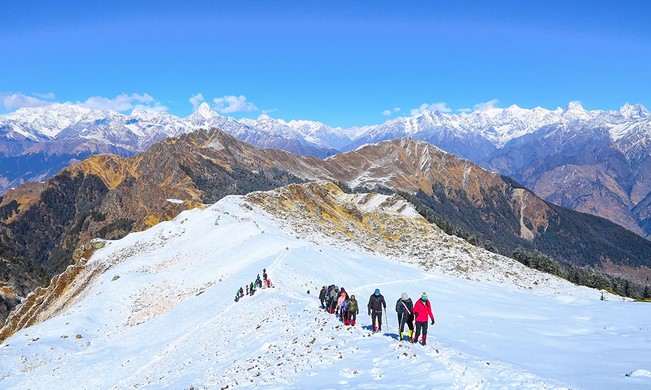
Source:https://cdn.trekthehimalayas.com
Imagine stepping off a snowshoe trail into an old-growth pine forest, where the only sound is the soft crunch of powder beneath your boots and the gentle whistle of sub-zero wind through snow-laden branches. Then imagine realizing, three miles from the trailhead, that your toes have gone completely numb, your phone battery just died from the freezing cold, and the pristine white trail behind you has been completely erased by a sudden gust of wind.
Over my ten years of guiding and trekking across sub-arctic wildernesses and winter alpine trails, I have seen this exact moment break beginner and intermediate hikers alike. Winter transforms familiar landscapes into ethereal wonderlands, but it also strips away room for error. Embarking on snowy forest treks requires a distinct blend of thermal management, navigation awareness, and specialized gear strategy.
If you are looking to trade crowded summer trails for the silent magic of winter wanderlust, this guide will walk you through everything you need to know to trek safely and comfortably through frozen forests.
The Magic and Mechanics of Winter Forest Trekking
A forest in winter is not merely cold—it is an entirely unique ecosystem that behaves by different physical rules than summer trails.
Why Winter Forests Offer a Superior Escape
Unlike exposed ridge lines or wide-open alpine passes, dense pine, birch, and fir forests offer natural shelter from harsh elements.
-
Windbreak Buffers: High tree density significantly reduces wind chill, keeping forest interiors several degrees warmer than open fields.
-
Snowpack Stabilization: Tree canopies catch heavy snowfall, creating a more predictable snowpack structure beneath the branches.
-
Unrivaled Wildlife Tracking: Fresh snow acts as a pristine canvas, allowing you to spot prints from snowshoe hares, foxes, and wolves long before you see them.
Think of a winter forest as nature’s insulated greenhouse. The trees act as a natural wall system, trapping radiant heat and blocking biting winds so you can enjoy high-altitude solitude in relative comfort.
Essential Gear for Snowy Forest Treks
Navigating deep snow and icy trails demands specialized equipment designed to keep you floating above the drift while maintaining core body heat.
                    ┌─────────────────────────────────────────┐
                    │      WINTER TREKKING EQUIPMENT          │
                    └────────────────────┬────────────────────┘
                                         │
     ┌───────────────────────────────────┼───────────────────────────────────┐
     ▼                                   ▼                                   ▼
[ TRACTION & FOOTWEAR ]           [ THERMAL LAYERING ]               [ TRAIL NAVIGATION ]
 • Snowshoes with crampons        • Moisture-wicking Merino base     • Offline GPS & topography
 • Microspikes for packed ice     • Breathable fleece mid-layer      • Physical map & compass
 • Insulated waterproof boots     • Hardshell wind/snow outer        • Dedicated satellite tracker
1. Snowshoes vs. Microspikes: Choosing the Right Traction
One of the most common beginner mistakes is bringing the wrong traction for specific snow conditions.
-
Snowshoes: Essential when stepping into fresh, powdery snow deeper than 6 inches (15 cm). Their broad surface area distributes your weight—a concept known as “flotation”—so you don’t post-hole up to your knees.
-
Microspikes / Ice Cleats: Perfect for hard-packed snow or icy trails where flotation isn’t required, but rubber-and-chain teeth are needed for firm grip.
-
Trekking Poles with Snow Baskets: Standard pole tips will sink right through deep snow. Always swap your summer rubber tips for wide snow baskets to maintain upper-body balance.
2. Moisture Control and Layering
In sub-zero temperatures, sweat is your worst enemy. Once you stop moving, trapped moisture inside your clothes rapidly cools, leading to hypothermia risks.
-
The Active Layer Strategy: Start your trek feeling slightly cool (“be bold, start cold”). As your body generates heat while hiking uphill, vent your jackets before you start sweating profusely.
-
Gaiters: Tall, waterproof leg gaiters seal the gap between your boots and trousers, keeping deep snow out of your socks.
Route Selection: Finding the Perfect Snowy Trail
Selecting the right trail for snowy forest treks involves analyzing terrain profiles, canopy density, and daylight windows.
Evaluating Trail Difficulty in Winter Conditions
A summer 5-mile (8 km) trail can take double the time and energy when blanketed in deep snow.
-
Distance Calibration: Cut your summer hiking mileage in half when planning your first winter itinerary.
-
Tree-Line Thresholds: Stick to trails below the timberline where trees provide shelter from blizzard conditions and reduce exposure to avalanche-prone slopes.
-
Daylight Awareness: Winter days are short. Plan your route to return to the trailhead at least 90 minutes before sunset to avoid cold-temperature drops after dark.
Field Observation: During my early winter expeditions in Scandinavia, I learned that snow-laden branches can obscure trail markers painted on tree trunks. Always rely on terrain features and digital trail tracks rather than visual tree blazes alone.
Expert Advice: Pro Tips and Hidden Warnings
To keep your frozen wilderness adventures safe and seamless, keep these insider recommendations in mind before heading out:
-
Pro Tip: Keep Phone and GPS Batteries Warm: Extreme cold causes lithium-ion batteries to drain rapidly or shut down entirely. Store your phone, power banks, and camera batteries inside an internal zippered pocket close to your core body heat until the moment you use them.
-
Hidden Warning: Beware of Tree Wells: A tree well is a deep void formed around the base of a coniferous tree where branches prevent snow from packing down. Falling into a deep tree well headfirst can lead to snow immersion suffocation. Stay on established packed paths and maintain a safe distance from trunk bases in deep powder.
-
Pro Tip: Pack Hot Liquids in an Insulated Flask: Drinking icy water out of a hydration bladder (which often freezes inside the hose) drops your core body temperature. Bring a vacuum-insulated thermal flask filled with hot tea, broth, or spiced water to warm up your core during rest stops.
-
Hidden Warning: Watch Out for Post-Holes on Shared Trails: Walking without snowshoes or microspikes on established winter trails leaves deep boot prints (“post-holes”). These freeze into hazardous ankle-breaking traps for snowshoers, cross-country skiers, and fellow hikers. Always use appropriate flotation gear.
Step Into the Silent Wilderness
Stepping into the winter woods brings a sense of stillness and beauty that summer hiking simply cannot replicate. By mastering your thermal gear, understanding snow dynamics, and respecting the environment, snowy forest treks will become some of the most memorable journeys of your outdoor life.
Pack your warm layers, check the local weather forecasts, and go experience the serene magic of the white forest for yourself!
Over to You: Are you planning your very first winter trek this season, or do you have a favorite snowy forest trail you love exploring? What is your biggest challenge when hiking in sub-zero weather? Drop your questions and thoughts in the comments below!