Dive with Purpose: Eco-Conscious Diving Tours That Inspire Care
October 5, 2026
No Comments
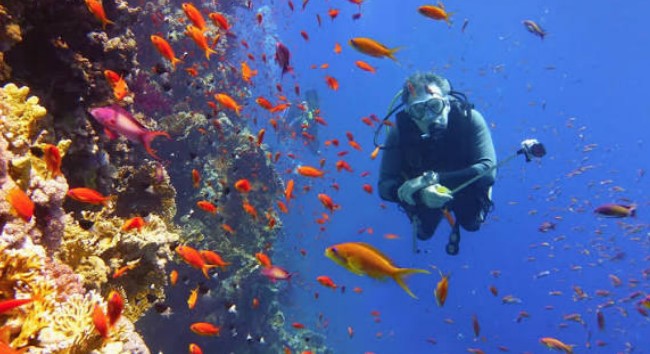 Imagine descending 18 meters beneath the surface of the ocean, surrounded by a vibrant kaleidoscope of coral reef life, only to witness a diver in front of you clumsily kick an ancient brain coral with their fins, breaking off a century of growth in a split second. Or worse, watching a dive guide lure a sea turtle with food just so tourists can snap a quick selfie.
Over my ten years of logging dives across the Pacific, Indian Ocean, and Caribbean, I have seen the devastating impact of mass tourism on fragile marine ecosystems. But I have also seen the incredible power of sustainable ocean travel. Choosing eco-conscious diving tours isn’t about sacrificing adventure or paying extra for a virtue-signaling badge; it is about ensuring that the underwater worlds we love remain thriving, wild, and resilient for generations to come.
If you are a beginner diver eager to log your first open-water dives or an intermediate diver looking to make your underwater journeys more meaningful, this guide will walk you through everything you need to know about purpose-driven marine exploration.
What Truly Defines Eco-Conscious Diving Tours?
In a travel market flooded with greenwashing, distinguishing between a genuinely sustainable dive operator and one that simply prints “eco-friendly” on its brochure can be tricky.
Beyond the Marketing Buzzwords
True sustainability in scuba diving goes far beyond telling guests not to touch the coral. It integrates conservation science, community empowerment, and strict operational standards.
-
Marine Conservation Integration: Genuine eco-operators actively participate in coral reef restoration, invasive species removal (such as lionfish culling), or citizen science data collection (e.g., Coral Watch or Manta Matcher).
-
Zero-Waste Boat Logistics: Eliminating single-use plastics on board, using reef-safe cleaning agents for gear, and running fuel-efficient engine technology.
-
Local Community Support: Hiring and training local divemaster candidates, supporting coastal marine protected areas (MPAs), and respecting traditional fishing rights.
Think of an eco-conscious dive operator as a high-tech custodian team for a museum. Instead of just opening the gallery doors to a crowd, they actively maintain the exhibits, fund restoration efforts, and educate visitors on how to preserve the artwork.
Evaluating Eco-Diving Operators: Key Metrics to Inspect
Before booking your next trip, checking an operator’s technical credentials and certifications will give you clear insight into their environmental ethics.
                    ┌─────────────────────────────────────────┐
                    │      ECO-DIVE OPERATOR EVALUATION       │
                    └────────────────────┬────────────────────┘
                                         │
     ┌───────────────────────────────────┼───────────────────────────────────┐
     ▼                                   ▼                                   ▼
[ CERTIFICATION STANDARDS ]       [ ON-BOARD PRACTICES ]              [ CITIZEN SCIENCE ]
 • Green Fins Accreditation       • Reef-safe sunscreen enforcement   • Coral health monitoring
 • PADI Eco Center status         • No anchor drops (mooring buoys)   • Turtle & Manta identification
 • SSI Blue Oceans compliance     • Strict no-touch & feed bans       • Ghost net reporting & removal
1. Green Fins & PADI Eco Center Accreditations
Look for dive centers certified under Green Fins (an initiative by The Reef-World Foundation and UNEP) or designated as PADI Eco Centers. Green Fins uses a strict assessment system to evaluate a dive shop’s environmental footprint both on land and at sea.
-
Code of Conduct: Certified shops strictly prohibit marine life feeding, touching, or chasing.
-
Mooring Buoy Commitment: Responsible boat captains never drop anchors on living reef structures, utilizing permanent mooring lines instead.
2. Buoyancy Control and Divemaster Ratios
An operator’s environmental impact often comes down to dive master management in the water.
-
Small Group Ratios: Premium sustainable operators limit guide-to-diver ratios to 1:4 or 1:5, ensuring guides can monitor trim, depth, and buoyancy closely.
-
Check Dives: Reputable operators insist on a weight-check and buoyancy assessment dive before taking guests to delicate wall dives or sensitive ecosystems.
Mastering Your Underwater Footprint: Essential Skills for Divers
Being a responsible underwater explorer isn’t just up to the tour operator—it starts with your own technical skills in the water.
Perfecting Peak Performance Buoyancy and Trim
Poor buoyancy control is the single largest cause of diver-induced reef damage. Mastering your position in the water column is essential for low-impact diving.
-
Proper Weighting: Overweighting causes your lower body to drag, kicking up sediment or striking coral heads with your fins. Perform a proper surface weight check with an empty tank.
-
Horizontal Trim: Keep your body parallel to the reef floor, bend your knees at a 90-degree angle, and utilize the frog kick instead of traditional flutter kicks to avoid kicking up silt.
-
Streamlined Gear Configuration: Tuck in your octopus regulator, pressure gauge, and console clips so nothing dangles or drags across delicate marine growth.
Field Observation: During my early years guiding in Indonesia, I noticed that divers who took ten minutes before a dive to mentally visualize their buoyancy and streamline their gear reduced their accidental bottom contact to almost zero. Environmental care starts on the dive deck before you even put your mask on.
Expert Advice: Pro Tips and Hidden Warnings
To ensure your underwater adventures leave a positive footprint on every ecosystem you visit, keep these field-tested guidelines in mind:
-
Pro Tip: Switch to Non-Nano Zinc Oxide Sunscreen: Standard sunscreens contain harmful chemicals like oxybenzone and octinoxate, which bleach corals even in minute concentrations. Always opt for certified reef-safe mineral sunscreens or, better yet, wear a UV rashguard or exposure suit to minimize sunscreen use altogether.
-
Hidden Warning: Watch Out for Illegal Marine Souvenirs: Avoid purchasing dried seahorses, shark teeth, turtle shell products, or large shells at local coastal markets. Buying these items directly fuels destructive wildlife trade practices and disrupts marine food chains.
-
Pro Tip: Engage in Citizen Science Programs: Transform your recreational dive logs into valuable scientific data. Use free apps like iNaturalist or submit photos of manta ray belly markings and whale shark spots to global marine research databases.
-
Hidden Warning: Beware of Uncontrolled Marine Life Interactions: If an operator advertises guaranteed close-up encounters using baiting tactics or allows guests to handle marine creatures like blue-ringed octopuses or pufferfish for photo ops, walk away immediately.
Become an Advocate for the Frozen and Tropical Seas Alike
Choosing eco-conscious diving tours allows you to experience the breathtaking beauty of the ocean while taking active responsibility for its health and preservation. When you dive with purpose, every breath you take underwater becomes a commitment to protecting the blue heart of our planet.
Whether you are gliding over vibrant coral reefs in the tropics or exploring temperate kelp forests, your choices as a diver send a powerful signal to the global travel industry that conservation matters.
Over to You: Have you ever participated in a citizen science dive or booked with an eco-certified dive center? What is your biggest challenge when trying to maintain zero-impact buoyancy on underwater photo dives? Drop your thoughts, questions, and favorite eco-friendly dive spots in the comments below!