Island Dreams: Boutique Stays in Tropical Paradises
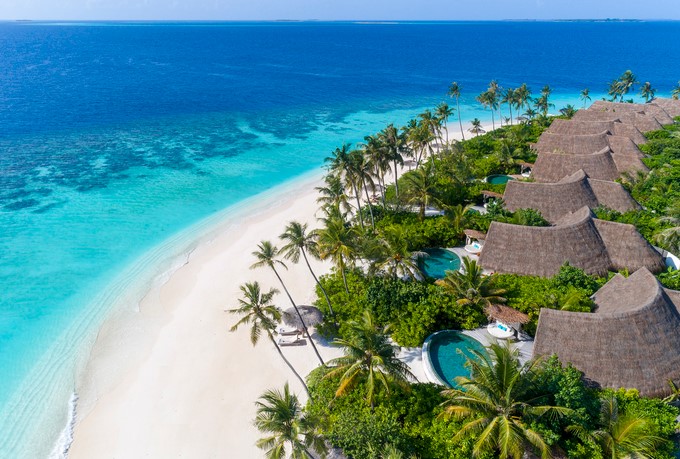
Source:https://realestate-magazin.rs
In an era where travelers increasingly value intimacy, authenticity, and personalized service, boutique island stays have emerged as a compelling alternative to large-scale tropical resorts. These distinctive accommodations offer curated experiences set against pristine beaches, lush jungles, and crystalline waters. Unlike expansive hotel complexes, boutique properties emphasize individuality, design excellence, and close connections to local culture. As travelers seek meaningful escapes that combine comfort with character, small-scale island retreats are redefining the concept of tropical luxury through thoughtful design and immersive hospitality.
The Rise of Boutique Hospitality in Island Destinations
Tropical islands have long been associated with relaxation and natural beauty. Historically, tourism development in these regions focused on expansive resorts designed to accommodate large volumes of visitors. While such establishments provide comprehensive amenities, they often lack the intimate atmosphere that many modern travelers desire.
Boutique hospitality has responded to this demand by prioritizing exclusivity and personalized attention. Typically featuring fewer rooms or villas, boutique island properties create environments where guests feel recognized rather than processed. Staff-to-guest ratios are often higher, enabling tailored services that reflect individual preferences.
Architectural identity is another distinguishing factor. Rather than standardized designs, boutique accommodations frequently draw inspiration from local materials and cultural aesthetics. Thatched roofs, handcrafted furnishings, and open-air pavilions blend harmoniously with natural surroundings. This commitment to contextual design ensures that the property enhances rather than overwhelms the landscape.
The growth of boutique island hospitality is also fueled by shifting consumer values. Travelers are increasingly conscious of environmental impact and community engagement. Smaller properties are often better positioned to implement sustainable practices and collaborate with local artisans, fishermen, and farmers. By integrating tourism into the social and ecological fabric of the island, boutique stays contribute to long-term resilience.
Architectural Elegance and Immersive Design
Design is central to the success of boutique island accommodations. Every structural element must balance aesthetics, comfort, and environmental sensitivity.
Blending Nature with Refined Comfort
One of the hallmarks of boutique island design is the seamless transition between indoor and outdoor spaces. Floor-to-ceiling windows, sliding glass walls, and open terraces allow natural light and ocean breezes to circulate freely. Infinity pools overlooking the sea, outdoor showers surrounded by tropical foliage, and private decks suspended above lagoons create immersive sensory experiences.
Materials are carefully selected to withstand humid climates while maintaining elegance. Sustainable hardwoods, bamboo, coral stone, and locally woven textiles add authenticity and durability. Neutral color palettes often dominate interiors, allowing vibrant natural landscapes to serve as the primary visual feature.
Technological integration remains discreet yet effective. Climate control systems, energy-efficient lighting, and high-speed connectivity are incorporated without disrupting the tranquil ambiance. Guests can enjoy modern conveniences while feeling deeply connected to the surrounding environment.
Many boutique properties also feature thematic design elements inspired by regional heritage. Decorative motifs, art installations, and handcrafted accessories reflect local narratives. This attention to detail enhances cultural immersion and differentiates each property from generic resort models.
Personalized Experiences Beyond the Shoreline
The appeal of boutique island stays extends beyond physical design. Curated experiences and personalized services play a crucial role in defining guest satisfaction.
Unlike large resorts with fixed activity schedules, boutique properties often offer flexible programming tailored to individual interests. Guests may embark on private snorkeling excursions guided by local marine experts, sunset sailing trips on traditional boats, or guided hikes through island rainforests. These experiences foster authentic engagement with natural ecosystems.
Culinary offerings further elevate the stay. On-site restaurants frequently emphasize farm-to-table or sea-to-table concepts, sourcing ingredients from local producers. Personalized dining experiences—such as beachside candlelit dinners or chef-led tasting menus—add exclusivity and romance. Cooking classes featuring regional specialties provide interactive opportunities to connect with local flavors.
Wellness is another cornerstone of boutique island hospitality. Spa treatments incorporating indigenous botanicals, beachfront yoga sessions, and meditation workshops promote holistic rejuvenation. Smaller guest numbers ensure serene environments conducive to relaxation.
For couples and honeymooners, privacy is paramount. Secluded villas, private plunge pools, and personalized concierge services create intimate settings ideal for special occasions. Families and small groups benefit from multi-bedroom accommodations and customized activity planning that balances exploration with leisure.
Sustainability as a Core Philosophy
Island ecosystems are particularly vulnerable to environmental stress. Boutique accommodations often lead the way in adopting responsible tourism practices that minimize ecological impact.
Renewable energy systems, such as solar panels and energy-efficient appliances, reduce reliance on imported fuels. Water conservation measures, including rainwater harvesting and greywater recycling, help preserve limited freshwater resources. Waste reduction programs and elimination of single-use plastics further reinforce sustainability commitments.
Community partnerships are equally important. By employing local staff, sourcing regional products, and supporting educational initiatives, boutique properties strengthen island economies. Cultural exchange programs and artisan collaborations preserve traditional crafts while offering guests meaningful interactions.
Environmental education initiatives may include coral reef conservation workshops, mangrove restoration projects, or guided tours that highlight biodiversity. Such activities encourage guests to become active participants in preservation efforts rather than passive observers.
A New Concept: Micro-Island Retreat Networks
An innovative direction for boutique island hospitality involves the creation of micro-island retreat networks. This concept envisions a collection of small, independently designed properties across neighboring islands, connected through shared sustainability standards and curated travel itineraries.
Guests could begin their journey on one island focused on marine exploration, then transition to another emphasizing culinary immersion, and conclude on a third dedicated to wellness. Transportation between islands would utilize eco-friendly boats or low-emission vessels, reinforcing environmental commitments.
This networked approach would allow travelers to experience diverse landscapes and cultural nuances within a cohesive framework. It would also distribute tourism more evenly, preventing overcrowding on a single island while supporting multiple communities.
Tropical travel continues to evolve as guests prioritize authenticity, sustainability, and personalized service. Boutique properties meet these expectations by offering thoughtfully designed accommodations that integrate seamlessly with their natural surroundings. Through architectural innovation, curated experiences, and community engagement, they redefine what it means to escape to paradise. As demand for intimate and meaningful travel grows, boutique island stays stand out as an inspiring model of refined yet responsible hospitality—transforming island dreams into immersive realities that resonate long after the journey ends.