Protecting Wildlife: Eco-Conscious Safari Adventures
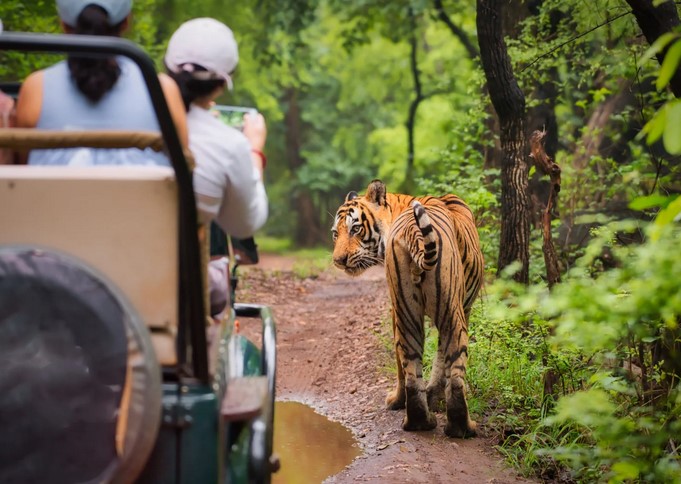
Source:https://himalayanoutback.com
Imagine sitting in an open-top Land Cruiser in the heart of the Maasai Mara. The sun is just starting to bleed orange across the horizon, and thirty yards away, a lioness is grooming her cub. It’s the “National Geographic” moment you’ve dreamed of. But then, you notice six other vehicles racing toward you, engines revving and tires churning up clouds of dust, surrounding the animals in a claustrophobic ring of steel and exhaust fumes.
I’ve spent over a decade traversing the African continent, from the dunes of Namibia to the delta of Botswana, and I’ve seen this scene play out far too often. The “bucket list” rush is inadvertently suffocating the very wildlife we travel to see. However, there is a better way. Engaging in eco-conscious safari tours isn’t just about feeling good; it’s about a fundamental shift in how we interact with the wild, ensuring these ecosystems remain intact for the next generation of explorers.
The Reality of the Modern Safari: Why “Eco” Matters
When I first started blogging ten years ago, a safari was measured by how many of the “Big Five” you could check off a list in 48 hours. Today, the metric has changed. We are seeing a massive surge in “Low Impact, High Value” tourism. This technical term essentially means fewer people paying a bit more to ensure the land isn’t over-taxed.
Think of a delicate ecosystem like a high-end silk rug. If one person walks on it, it stays beautiful. If a thousand people stomp on it with muddy boots every day, the fibers break down and the pattern disappears. Eco-conscious safari tours act as the protective “glass case” for that rug, allowing us to admire the beauty without destroying the fabric of the environment.
How to Identify True Eco-Conscious Safari Tours
For a beginner, every lodge looks “green” on Instagram. They all have thatched roofs and wooden decks. But as a seasoned traveler, I’ve learned to look past the aesthetics and scrutinize the Operational Footprint.
1. Power and Waste Management
A true eco-lodge isn’t just “off-grid” for the vibe; it’s a technical necessity. I always look for properties utilizing Photo-Voltaic (PV) solar arrays and advanced thermodynamic water heating. If a lodge is running a loud diesel generator 24/7 to power air conditioning, it’s not an eco-safari—it’s just a hotel in the woods.
2. The Gray Water System
In arid regions like the Serengeti or the Okavango, water is liquid gold. I once visited a camp in Botswana that used a “Bio-Digester” system. This tech treats all “black” and “gray” water (waste from toilets and sinks) using natural bacteria, turning it into safe irrigation water for the surrounding flora. This is the kind of hidden technical detail that separates the “green-washers” from the genuine conservationists.
3. Community Inclusion (The Human Element)
You cannot protect wildlife if you ignore the people living next to them. My most profound insights didn’t come from a textbook, but from sitting with Maasai rangers who are now shareholders in the conservancies where they once hunted. An eco-conscious safari tours operator will always have a transparent “benefit-sharing” model with the local community.
Choosing Your Vehicle: Electric vs. Combustion
One of the most exciting shifts I’ve witnessed recently is the rise of Electric Safari Vehicles (ESVs). If you have the choice, always opt for a camp that uses them.
-
Silent Stalking: Standard diesel engines produce significant noise pollution and vibrations. An ESV is nearly silent, allowing you to hear the snap of a twig or the low rumble of an elephant’s communication—sounds you’d never hear over a chugging engine.
-
Zero Tailpipe Emissions: This is crucial for “Sensitive Habitat” navigation. ESVs don’t leave a trail of carbon monoxide in the faces of the animals you are observing.
-
The “Vibration” Factor: Research suggests that the low-frequency vibrations of heavy engines can disrupt the hunting patterns of smaller predators. Going electric removes that stressor entirely.
The Ethics of the Sighting: A Pro’s Perspective
I’ve been in vehicles where the guests were shouting at the driver to “get closer” to a leopard. My advice? Don’t be that person.
In the industry, we follow the “Rule of Tiring.” If an animal looks at the vehicle more than once, you are too close. If it stands up and moves away, you have officially disrupted its natural behavior. A professional guide on eco-conscious safari tours will prioritize the animal’s “Comfort Zone” over your “Selfie Zone.”
Analogy: Imagine trying to eat your dinner while a stranger stands two feet away, clicking a camera and whispering loudly. You’d lose your appetite. Predators are no different; your presence can literally cause them to starve if you interrupt a hunt.
Practical Packing for the Conscious Traveler
Your gear has a direct impact on the environment. After 10 years of packing and re-packing, here is my “low-impact” kit:
-
Earth-Tone Clothing: This isn’t just about looking like Indiana Jones. Bright colors (especially white and red) are “threat colors” to many plains game. Neutral khakis and olives help you blend into the “Background Noise” of the bush.
-
Biodegradable Toiletries: Most camps use soak-away drainage. Standard shampoos are toxic to the local groundwater.
-
Rechargeable Batteries: Disposing of alkaline batteries in rural Africa is nearly impossible. Bring a high-capacity power bank and rechargeable AA/AAA cells for your headlamps.
Expert Advice
Pro Tip: Avoid “Touch” Experiences
If a tour offers “Cub Petting,” “Walking with Lions,” or “Elephant Riding,” run the other way. These are never conservation-based. They rely on “habituation” techniques that often involve animal cruelty and ensure the animals can never be released into the wild. True eco-conscious safari tours involve watching animals be animals—from a respectful distance.
Hidden Warning: The “Off-Roading” Trap
While it’s tempting to ask your driver to drive off the track to get a better look, this is incredibly damaging. It causes Soil Compaction, which prevents grass from growing for years and leads to erosion. Stick to the designated tracks; the best sightings usually happen when you are patient and let the animals come to you.
Why Your Choice Matters
Choosing the right operator is like voting with your wallet. Every dollar spent on a legitimate eco-safari goes toward anti-poaching units, wildlife corridors, and vet fees for injured rhinos. We are currently losing African elephants at an alarming rate—roughly 8% per year in some regions. Sustainable tourism is the only thing standing between these species and extinction.
When you book eco-conscious safari tours, you are becoming a temporary guardian of the wilderness. You aren’t just a spectator; you are a patron of the natural world.