Bites of the Streets: Culinary Snack Tours Worth Trying
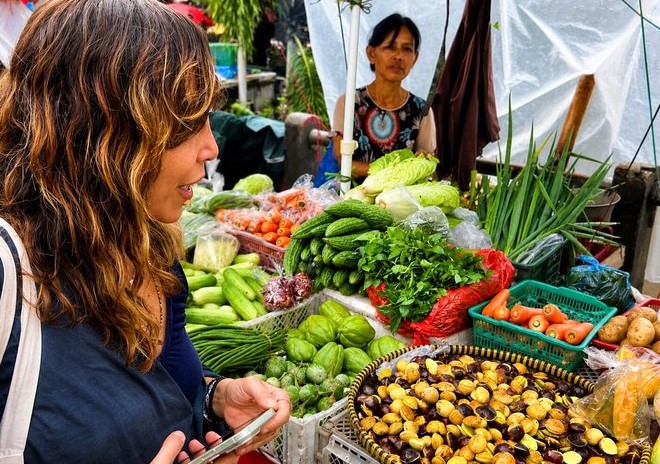
Source:https://media-cdn.tripadvisor.com
You are standing in a chaotic, neon-drenched alleyway in Osaka at 10:00 PM. A street vendor is flipping perfectly round, golden batter balls with blinding speed using what looks like an oversized toothpick. The aroma of umami-rich dashi, sweet sauce, and smoky bonito flakes hits you, making your mouth water instantly. You reach for your wallet, eager to try your very first authentic takoyaki, but you pause: Is this cart safe? Will this local treat trigger an unplanned, 48-hour relationship with my hotel bathroom?
Over my ten years of eating my way through every major night market and roadside stall across five continents, I have stared down that exact dilemma hundreds of times. For many travelers, navigating the unmapped wilderness of roadside dining feels like walking through a gastronomic minefield. Yet, bypassing local delicacies means missing out on the true heartbeat of a culture.
That is where curated food walks come into play. Investing in organized culinary street snacks tours isn’t just a way to avoid getting sick; it’s an fast-track pass to understanding food security, regional ingredients, and hidden cultural histories. Let’s pull back the curtain on how to choose a street food tour that is worth every penny, what to expect, and how to eat like a seasoned globetrotter.
The Science of the Street: Why Guided Snack Tours Win
Think of exploring a new city’s food scene like diving into a coral reef. If you swim out blindly on your own, you might accidentally step on a sea urchin or miss the hidden marine life altogether. A culinary guide acts as your marine biologist—they know exactly which nooks shield the rarest treasures and which areas to avoid to keep you completely safe.
Deciphering Vendor Logistics and Turnover Rates
The absolute core of food safety boils down to one highly technical metric: inventory turnover rate. A premium food tour operator doesn’t just pick vendors because they look rustic or photogenic on camera. They track the data behind the stalls.
They choose culinary artisans who have high local foot traffic, meaning raw ingredients never sit out exposed to the elements. The food is flash-fried, steamed, or grilled right in front of you at high critical control temperatures, destroying harmful bacteria instantly and ensuring everything on your plate is completely fresh.
Breaking the Micro-Language Barrier
The finest local vendors often specialize in just one single, hyper-regional dish that they have spent decades perfecting. Consequently, they rarely have English menus, a digital footprint, or a credit card reader.
A dedicated snack tour bypasses this structural barrier completely. Your guide handles the local dialect, explains the precise flavor profiles, manages the cash transactions, and ensures your dietary restrictions are respected in kitchens that might otherwise cross-contaminate allergens.
Legendary Street Food Corridors to Explore Globally
While excellent roadside cooking exists everywhere, certain global hubs feature such high concentrations of culinary innovation that a guided tour becomes an absolute necessity to make sense of it all.
+--------------------+------------------------------------+------------------------------------+
| Global Food Hub    | Iconic Snack Profile               | Must-Try Technical Ingredient      |
+--------------------+------------------------------------+------------------------------------+
| Bangkok, Thailand  | Spicy, sour, sweet, and savory     | Fermented fish sauce (nam pla) &   |
| (Yaowarat Road)    | wok-fired delicacies               | palm sugar caramelization          |
+--------------------+------------------------------------+------------------------------------+
| Oaxaca, Mexico     | Complex corn-based bites & rich,    | Nixtamalized masa, heirloom chiles,|
| (Mercado 20 de Nov)| ancestral sauces                   | and artisanal quesillo             |
+--------------------+------------------------------------+------------------------------------+
| Marrakech, Morocco | Slow-roasted meats & heavily spiced| Ras el hanout spice blends, argan |
| (Jemaa el-Fnaa)    | pastry pockets                     | oil glazes, and preserved lemons  |
+--------------------+------------------------------------+------------------------------------+
1. Yaowarat Road, Bangkok (The Wok-Heated Wonder)
Bangkok’s Chinatown is an overwhelming sensory assault of sights, sounds, and smells. Booking a tour here allows you to cut through the exhausting queues for Michelin-recognized noodle stalls and dive straight into the world of complex culinary street snacks.
-
The Masterclass of Maillard Reaction: Your guide will introduce you to dishes that rely heavily on wok hei (the breath of the wok). This is a technical cooking phenomenon where food is tossed over extreme, jet-engine-like gas flames, causing a rapid caramelization of sugars and oils that infuses the snacks with a distinct, smoky aroma you cannot replicate at home.
2. Oaxaca City, Mexico (The Ancestral Masa Capital)
Oaxacan cuisine is so structurally unique that it holds an UNESCO Intangible Cultural Heritage status. A proper street food walk through its vibrant markets isn’t just a tasting session; it’s an education in agricultural history.
-
Understanding Nixtamalization: You will learn how local communities treat ancient heirloom corn with an alkaline solution of lime and water. This chemical process unlocks essential nutrients, turns the grain into a workable dough called masa, and forms the physical foundation for iconic street snacks like crispy tlayudas and folded tetelas.
Technical Hacks for Prepping Your Body for a Food Tour
To fully enjoy a high-volume snack tour without overloading your digestive system, you need to treat your stomach like an athlete prepares for a marathon.
1. The Strategy of Gastric Pacing
A major mistake made by beginners is starving themselves all day before a food tour. When you arrive with an entirely empty stomach, your digestive acids are highly concentrated, and hitting them with intense spices, heavy oils, or high acidity will cause instant bloating and discomfort.
Eat a light, fiber-rich breakfast and a neutral lunch (like plain rice or oats) a few hours prior. This lays down a protective baseline in your digestive tract, allowing you to sample twelve different snacks over three hours without a hitch.
2. Hydration and the pH Balance Game
Street food often features incredibly high sodium levels due to the heavy use of soy sauces, specialized curing salts, and MSG. If you do not hydrate properly, you will wake up the next morning feeling hungover, even if you didn’t drink a single drop of alcohol.
Pro Logistics Tip: Carry a reusable water bottle equipped with an integrated electro-positive carbon filter. Drink small sips of clean water constantly between stalls to flush out excess sodium and maintain an ideal internal pH balance as you mix different food groups.
     ⚠️ THE HIDDEN WARNING: THE "BESTSELLER" TOUR TRAP
     When searching booking platforms online, do not blindly pick the tour labeled
     "Best Seller" with 50 people per group. Mass food tours completely destroy
     the local culinary ecosystem. They crowd out actual residents, force vendors
     to rush their cooking processes, and reduce the experience to a frantic assembly
     line. Always look for boutique operators who explicitly cap their group sizes
     at a maximum of 6 to 8 guests.
Evaluating an Authentic Tour Operator: Beyond the Stars
Before you hit “book” on a travel marketplace, you need to vet the company’s operating ethos to ensure your tourism dollars are doing actual good on the ground.
Do They Support True Micro-Entrepreneurs?
An ethical food tour business acts as an economic lifeline for independent families. Check the company profile to see if they highlight their relationships with multi-generational vendors. If a tour company steers its large groups exclusively toward modern, air-conditioned corporate food courts rather than supporting independent sidewalk carts, they are greenwashing the street food experience.
The Inclusion of Culinary Context
A high-quality tour should never feel like a competitive eating challenge. If your guide simply hands you a plate of food, names the dish, and immediately tells you to move to the next location, you are getting shortchanged. A master guide weaves in tales of migration patterns, colonial trade routes, and local economic shifts, showing you exactly how those historical forces shaped the snack in your hand.
Taste the True Soul of a City
Embarking on a guided tour of culinary street snacks is a profound act of cultural immersion. It strips away the sterile, predictable boundaries of fine-dining establishments and places you directly in the living room of a destination. By focusing on smart vendor logistics, prepping your body correctly, and choosing hyper-local, small-group operators, you turn a simple evening meal into an unforgettable cultural education.
Are you getting ready to book your very first culinary night walk, or do you have a legendary street food memory that still keeps you up at night? Drop your favorite dishes or your biggest street food worries in the comments below, and let’s talk food!