Into the Rapids: Jungle River Expeditions for Adventurers
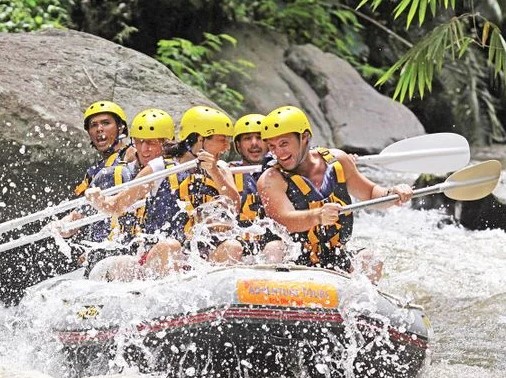
Source:https://authentic-indonesia.com
The roar hits you long before you see the white water. It is a deep, low-frequency rumble that vibrates straight through the floorboards of your inflatable raft and settles right in your chest. Up ahead, the glassy, emerald surface of the tropical river suddenly drops off into a chaotic maze of churning foam, exploding waves, and jagged volcanic rocks. You grip your paddle, your knuckles turning stark white, as the humid canopy of the rainforest closes in around you. In this three-second window, the modern world completely ceases to exist—there is only the river, your crew, and raw physics.
For the past ten years, I’ve navigated some of the most remote waterways on earth, trading luxury cruise decks for the unpredictable currents of dense rainforests. What I’ve learned is that jungle river expeditions are the ultimate crucible for adventurers.
If you are tired of sterile, predictable tourist trails and want an experience that challenges your grit while surrounding you with hyper-biodiversity, it’s time to trade the hiking boots for a personal flotation device (PFD). Let’s dive deep into what it actually takes to conquer these liquid highways.
Decoding the Anatomy of the Rapids: Classifications for Beginners
To the untrained eye, a rushing river looks like pure, unadulterated chaos. However, rivers follow strict hydrological laws. Think of a river as a giant, living conveyor belt, where the rocks and canyon walls are the gears shaping the flow.
Before booking any jungle river expeditions, you must understand the international scale of river difficulty. This technical metric dictates exactly what kind of environment you are stepping into.
-
Class I (Easy): Fast-moving water with small waves. Few obstructions; easily relaxed paddling.
-
Class II (Novice): Straightforward rapids with wide, clear channels. Occasional maneuvering required.
-
Class III (Intermediate): Rapids with moderate, irregular waves capable of swamping an open canoe. Complex maneuvering in fast currents is required; good paddle control is a must.
-
Class IV (Advanced): Intense, powerful rapids requiring precise boat handling in turbulent water. High risk of injury if you capsize; definitely not for beginners.
During my early days exploring the tributary systems of the Amazon basin, I made the classic rookie mistake of underestimating a Class III rapid because it looked “scenically peaceful” from a distance. The current grabbed our raft like a toy, teaching me a permanent lesson: hydrology always wins. For beginners and intermediates, sticking to Class II and III stretches offers the perfect equilibrium between heart-pounding adrenaline and manageable safety parameters.
The Hydrological Forces You Must Understand
When you participate in jungle river expeditions, your river guide will frequently yell out terms that sound like a foreign language. Understanding these LSI terms beforehand will keep you safe and coordinated.
Reading the Hydraulic Features
The riverbed creates specific wave formations that dictate how a raft moves. The most critical feature to look out for is a hydraulic jump, commonly known as a hole or a reversal. This occurs when water pours over a submerged boulder, causing the water on the surface to flow back upstream.
Think of a hole as a giant, aquatic washing machine; if your raft hits it sideways, the reverse current can easily trap the boat or flip it completely.
+--------------------------+---------------------------------------------------------+
| River Feature            | Dynamic & Action Required                               |
+--------------------------+---------------------------------------------------------+
| Eddy                     | Upstream current behind an obstacle. Use to rest/scout. |
| Tongue                   | V-shaped smooth water pointing downstream. The safe path.|
| Undercut Rock            | Water flows under a cliff face. Highly dangerous; avoid. |
| Strainer                 | Fallen trees letting water pass but trapping rafts.     |
+--------------------------+---------------------------------------------------------+
The Power of the Eddy
An eddy is an adventurer’s best friend. When fast-moving water flows past an obstruction like a massive boulder or a sharp bend in the jungle wall, it creates a pocket of calm, upstream-flowing water directly behind it. Entering an eddy is like pulling into a highway rest stop; it allows your team to stop the raft completely in the middle of a roaring river to scout the rapids ahead, drink water, and catch your breath.
Gear Up Professionally: The Technical Jungle Kit
Traditional whitewater rafting gear needs significant modification when you are operating under a dense, humid jungle canopy. The environment is a dual threat: punishing external moisture combined with high ambient heat.
Personal Flotation Devices (PFDs)
Forget the cheap, bulky life jackets you wear on a casual lake pontoon. For serious expeditions, you require a Type III or Type V Coast Guard-approved PFD. These vests are designed with high-mobility cutouts around the shoulders, allowing you to paddle efficiently without painful chafing. They must feature a minimum design buoyancy of 15.5 to 22 pounds of lift to keep your head well above highly aerated white water.
Thermal and Skin Regulation
A common misconception is that because the jungle is hot, you should raft in a swimsuit and shorts. This is a massive mistake. The combination of intense tropical UV rays reflecting off the water and voracious river insects demands a full-coverage strategy.
Opt for ultra-lightweight, UPF 50+ rated, long-sleeve synthetic shirts and full-length quick-dry trousers. Avoid cotton entirely—it holds water like a sponge, drops your core temperature when wet, and causes severe skin friction.
Pro-Tips and Hidden Hazards of the Jungle Waters
-
Pro-Tip #1: Master the “High-Side” Command. If your raft hits a boulder or gets trapped sideways in a hydraulic hole, the water pressure will build up under the upstream side of the boat, threatening to flip it. When the guide yells “High Side!”, you must instantly throw your entire body weight toward the downstream tube of the raft. This keeps the boat level and lets the rushing water pass harmlessly underneath.
-
Pro-Tip #2: Use Heavy-Duty Dry Bags. A standard ziplock or a cheap backpack cover will fail within minutes on the river. All your dry gear, cameras, and medical supplies must be packed inside heavy-duty PVC dry bags with a roll-top sealing system. Expel all air before rolling the top down at least three times to ensure a true hermetic seal.
-
The Flash Flood Trait. Tropical rainforests experience sudden, violent microburst downpours miles upstream that you might never see or hear. This can cause a river’s volume to double in less than twenty minutes, turning a calm Class II run into a raging, debris-filled Class IV torrent. Always ensure your expedition leaders carry satellite communication devices and closely monitor headwater weather patterns.
Answer the Call of the Wild River
Stepping into the world of jungle river expeditions transforms you from a mere spectator into an active participant in nature’s grandest arena. It demands absolute focus, synchronized teamwork, and a healthy respect for fluid dynamics. But the reward—drifting through untouched wilderness, listening to the calls of exotic birds, and conquering roaring rapids—is an addictive rush that standard travel simply cannot duplicate.
Have you ever faced down a white-water rapid, or is a deep-jungle expedition sitting right at the top of your travel bucket list? Drop your stories, fears, or questions in the comments below—let’s talk adventure travel!