Peaks of Culture: Mountain Village Hikes for Travelers
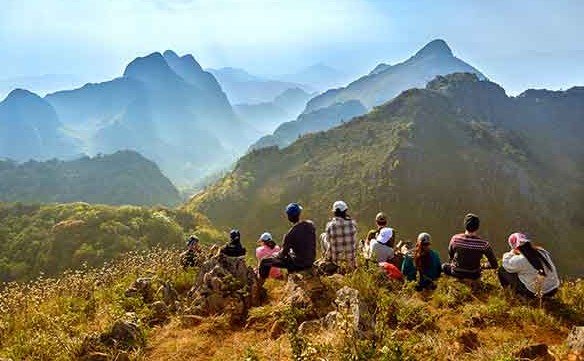
Source:https://www.walksworldwide.com
You are leaning heavily on your trekking poles, gasping for breath at 11,000 feet, wondering why you agreed to this incline. Suddenly, the dense alpine forest opens up to reveal a cluster of centuries-old stone houses clinging to the cliffside, with prayer flags whipping in the crisp wind and the smell of fresh woodsmoke in the air. A local grandmother smiles from her doorway, gesturing for you to come inside for a cup of hot butter tea. Instantly, your screaming muscles are forgotten; you haven’t just conquered a trail, you’ve stepped into a living history book.
Over my ten years of tracking high-altitude routes across the globe, I have realized that the most rewarding summits aren’t marked by a pile of rocks and a selfie stick. They are the ones marked by human resilience, ancient traditions, and vibrant alpine communities. Choosing mountain village hikes over standard wilderness trekking transforms a basic physical challenge into a profound cultural immersion.
For beginner and intermediate hikers, these cultural routes offer an incredible safety net: you get to experience jaw-dropping topography without the logistical headache of carrying heavy winter tents, freeze-dried rations, or sub-zero sleeping gear. Let’s deep-dive into how to plan a flawless cultural trek, navigate alpine logistics, and respect the communities that call these peaks home.
The Concept of Teahouse Trekking: Your Moving Mountain Hotel
To understand mountain village hiking, think of it like an old-school European train journey, but on foot. Instead of relying on a fragile wilderness campsite, your daily itinerary is structured around moving from one village outpost to the next.
What Exactly is a Teahouse or Homestay Network?
In high-altitude regions like the Himalayas or the Peruvian Andes, local families run small, rustic lodges traditionally known as teahouses or hospedajes. These networks provide you with a private or semi-private room, a solid mattress, blankets, and hot, home-cooked regional meals.
This infrastructure completely changes your packing logistics. Because you aren’t carrying a 50-pound expedition pack filled with cooking stoves and shelter components, your pack weight drops significantly. This allows you to focus your physical energy entirely on managing the incline and enjoying the cultural landscape.
The Technical Metrics of Village Trails
When assessing mountain village hikes, you need to look past basic horizontal mileage. The data that actually dictates your daily exhaustion level consists of two specific metrics:
-
Net Elevation Gain vs. Total Ascent: A trail might only be 5 miles long, but if the route descends into a river canyon and climbs back up a ridge, your total ascent could be double the net elevation gain.
-
Acclimatization Thresholds: Sleeping altitudes matter significantly more than trekking altitudes. Look for routes where the nightly sleeping spots increase by no more than 1,000 to 1,500 feet once you cross the 8,000-foot mark.
Iconic Mountain Village Hikes for Your Global Bucket List
While mountain ranges cover the earth, certain regions have perfected the synergy between trail infrastructure and community-based tourism.
+-------------------+-----------------------------------+-----------------------------------+
| Region / Trail    | Cultural Core                     | Technical Highlight               |
+-------------------+-----------------------------------+-----------------------------------+
| Annapurna Foothills| Gurung & Magar Buddhist culture,  | Well-graded stone steps, classic  |
| (Nepal)           | terraced farming valleys          | teahouse infrastructure           |
+-------------------+-----------------------------------+-----------------------------------+
| Svaneti Region    | Medieval defensive tower houses,   | High alpine meadows, Caucasian    |
| (Georgia)         | ancient Orthodox Christian art    | hospitality networks              |
+-------------------+-----------------------------------+-----------------------------------+
| Sacred Valley Outposts| Quechua agricultural heritage, | Incan stone single-tracks, high   |
| (Peru)            | traditional textile weaving       | Andean pass navigation            |
+-------------------+-----------------------------------+-----------------------------------+
1. The Annapurna Foothills, Nepal (The Pioneer Route)
The trails winding through the lower Annapurna region are the gold standard for beginners. You will hike along thousands of meticulously carved stone steps, passing through terraced emerald rice paddies managed by the Gurung and Magar ethnic groups.
The hospitality here is legendary. You can spend your mornings hiking under the shadow of 26,000-foot snow peaks and your evenings sitting next to a communal iron stove, eating freshly cooked dal bhat (a nutritious lentil and rice platter that offers the perfect carbohydrate-to-protein ratio for muscle recovery).
2. Mestia to Ushguli, Georgia (Europe’s Isolated High Fortress)
Tucked deep into the Caucasus Mountains, the Svaneti region feels like a medieval fairytale. Hiking between these isolated mountain villages involves traversing lush alpine meadows backed by jagged glaciers.
The true cultural marvel here is the architecture. Each village is dotted with Svan towers—stone defensive fortresses built between the 9th and 12th centuries to protect families against avalanches and invaders. Staying with Svan families gives you a taste of their distinct unwritten language and hearty, mountain-style cheese breads (kubdari).
Mastering High-Altitude Physiology: The Acclimatization Game
When you leave the lowlands behind, the air pressure drops, meaning every breath you take delivers fewer oxygen molecules to your bloodstream. Managing this shift is pure science, not a test of mental toughness.
The Mechanism of Acute Mountain Sickness (AMS)
Many fit, intermediate hikers make the mistake of pushing their pace too quickly on mountain village hikes, assuming their gym cardio will save them. Altitude sickness doesn’t care how many miles you run on a treadmill. It is caused by your body failing to adapt to hypoxia (low oxygen levels).
To prevent AMS, follow the golden rule of mountain travel: Pole, pole (slowly, slowly in Swahili) or Bistarai (in Nepali). Keep your heart rate firmly in your aerobic zone—you should be able to maintain a full conversation with your hiking partner without gasping for breath.
     💡 EXPERT ADVICE ON MOUNTAIN DIET:
     When trekking through high-altitude villages, swap your high-protein, fatty snacks
     for complex carbohydrates. Digesting fats and heavy meats requires significantly more
     oxygen from your internal organs, which steals blood flow away from your working leg
     muscles and brain. Stick to local grain soups, potatoes, and rices to give your body
     an efficient, easily burning fuel source.
Technical Gear Allocation for Village-to-Village Trekking
Because you are sleeping indoors, your gear list should be highly streamlined, focused on weather versatility and physical joint protection.
-
The Three-Layer Clothing System: The mountain climate is incredibly volatile. Pack a moisture-wicking merino wool base layer to handle sweat, an insulating fleece or down mid-layer to trap body heat when you stop walking, and a breathable, waterproof GORE-TEX outer shell to block freezing wind and rain.
-
Dual Kinetic Trekking Poles: Do not consider poles optional. When descending steep, rocky village steps with a backpack, trekking poles absorb up to 25% of the impact force away from your knees and ankles, preventing repetitive strain injuries over a multi-day hike.
-
A Technical 30L to 40L Daypack: Look for a pack equipped with a rigid internal frame and a thick, padded hip belt. A properly fitted hip belt transfers 80% of the pack’s weight directly to your skeletal structure (your hips), saving your neck and shoulders from premature fatigue.
     ⚠️ THE HIDDEN WARNING: THE WATER CONTAMINATION TRAP
     Do not let the crystal-clear appearance of alpine mountain streams fool you.
     Because these hiking routes cut directly through agricultural villages, upstream
     livestock feces often contaminate open water sources with giardia and cryptosporidium.
     Never drink unpurified tap or stream water. Avoid buying single-use plastic bottles,
     which create an environmental crisis in rural landfills. Instead, pack a hollow-fiber
     membrane water filter or use UV-light purification sticks before hydrating.
Ethical Trails: Cultural Etiquette in Remote Communities
When you hike into an isolated mountain settlement, you are stepping directly into someone’s ancestral home, not a tourist theme park. Your presence should leave a positive cultural footprint.
Respecting Religious and Sacred Spaces
Many mountain cultures view their peaks and natural features as sacred deities. When passing Buddhist mani walls (stone structures carved with sacred inscriptions) or chortens along Himalayan trails, always walk past them on their left side in a clockwise direction, out of respect for local cosmology. Always ask for explicit permission before photographing local residents, especially children, and dress modestly by keeping your shoulders and knees covered when entering village temples or homes.
Supporting the True Micro-Economy
Make sure your financial impact stays in the mountains. Instead of booking your entire itinerary through multi-national travel agencies based in capital cities, try to hire local independent guides and porters directly from the valley communities. Buy your snacks, handmade woolens, and meals directly from small, family-owned village shops to ensure that independent families directly benefit from your journey.
Step Into the Alpine Sanctuary
Embarking on mountain village hikes offers a rare, meditative window into human adaptability and natural beauty. By choosing routes that connect you with local families, prepping your body for the unique physics of altitude, and trekking with deep cultural awareness, you convert a standard vacation into a transformational life experience. The mountains will challenge your body, but the warmth of the village communities you encounter along the ridges will ultimately expand your worldview forever.
Are you ready to plan your first high-altitude village trek, or are you trying to choose between the rolling hills of Europe and the massive ridges of Asia? Drop your itinerary questions or your favorite mountain memories in the comments below, and let’s map out your next peak adventure!