Family in the Wild: Jungle Tours That Spark Wonder for All Ages
October 20, 2026
No Comments
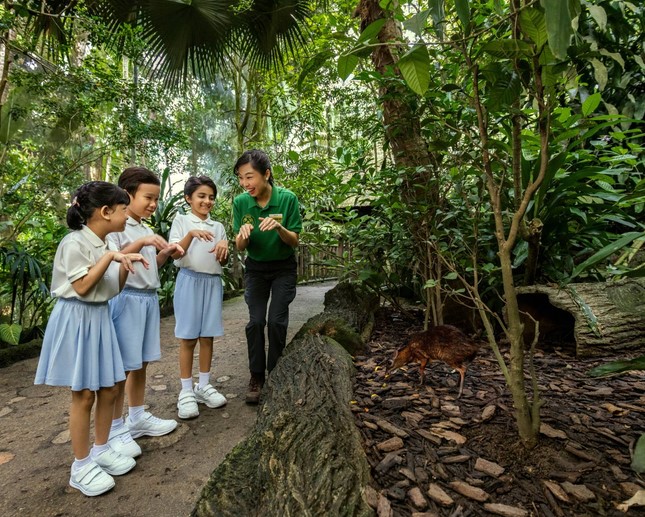
Source:https://www.mandai.com
Picture this: you are walking along a humid trail in the heart of the Amazon, surrounded by towering kapok trees, when a chorus of howler monkeys erupts from the canopy above. Your eight-year-old drops their tablet, looks up with wide eyes, and whispers, “This is cooler than Jurassic Park.” Then, just twenty minutes later, humidity exhaustion kicks in, someone gets bitten by a persistent mosquito, and a full-blown family meltdown threatens to derail the entire trip.
Over my ten years of leading expeditions and testing family itineraries across the rainforests of Southeast Asia, Central America, and South America, I have seen this exact scenario play out dozens of times. Venturing into the world’s dense tropical ecosystems with children and older relatives is endlessly rewarding, but it is not a standard resort holiday. Planning family jungle tours requires balancing safety, physical endurance, and engagement without overwhelming your loved ones.
If you are a parent or trip coordinator looking to trade routine beach vacations for an unforgettable multi-generational rainforest adventure, this comprehensive guide will give you the practical blueprint you need.
Why Rainforest Travel is the Ultimate Family Classroom
Many families shy away from deep wilderness trips out of fear that tropical environments are too rugged or dangerous for children and older adults. In reality, a well-managed rainforest expedition is one of the most enriching experiences a family can share.
Moving Beyond Sightseeing to Immersion
Tropical rainforests are not passive backdrops; they are living, breathing natural hubs that engage every single sense.
-
Hands-on Biodiversity: Children learn about food webs, camouflage, and plant adaptations directly from local indigenous guides rather than from textbook diagrams.
-
Shared Resilience: Navigating muddy trails, spotting wildlife in dense foliage, and adapting to tropical climate shifts builds confidence and bonds family members across generations.
-
Unplugged Connection: Remote eco-lodges with limited cellular service encourage genuine family conversations, evening card games, and shared night-walk discoveries.
Think of a primary tropical forest as a giant, interactive science museum without glass cases or velvet ropes. It invites curious minds of all ages to observe, ask questions, and develop a lifelong respect for planet conservation.
Selecting the Right Destination for Family Jungle Tours
Not all rainforests offer the same level of accessibility, medical infrastructure, and wildlife visibility. Choosing the right region based on your family’s experience level is critical.
                    ┌─────────────────────────────────────────┐
                    │       FAMILY JUNGLE DESTINATIONS        │
                    └────────────────────┬────────────────────┘
                                         │
     ┌───────────────────────────────────┼───────────────────────────────────┐
     ▼                                   ▼                                   ▼
[ COSTA RICA (EASY) ]             [ AMAZON PERU (MEDIUM) ]            [ BORNEO (INTERMEDIATE) ]
 • Suspended canopy walkways      • Riverboat lodges & oxbow lakes    • Orangutan sanctuaries & rivers
 • Low malaria risk areas         • Piranha fishing & macaws          • Proboscis monkeys & night safaris
 • High medical standards         • Immersive boat transport          • Rich cultural heritage
1. Costa Rica: The Ideal Starter Wilderness
For families taking their very first step into tropical environments, Costa Rica offers unmatched infrastructure, low health risks, and accessible wildlife viewing.
-
Highlights: Hanging canopy bridges in Monteverde, guided night walks in Manuel Antonio, and calm boat tours along Tortuguero’s rainforest canals.
-
Why It Works: Short transfer times, excellent medical facilities, and widespread English-speaking eco-guides make it incredibly stress-free for parents.
2. Peruvian Amazon: Deep Riverboat Immersion
For families with slightly older children (ages 8 and up), the Amazon basin around Puerto Maldonado or Iquitos provides a thrilling sense of exploration.
-
Highlights: Staying at eco-lodges accessible only by motorized dugout canoes, visiting macaw clay licks, and searching for giant river otters on serene oxbow lakes.
-
Why It Works: Traveling by boat reduces long, grueling hikes through thick mud, making wildlife spotting accessible for both kids and grandparents.
3. Malaysian Borneo: Primate Encounters and River Safaris
For families seeking dramatic wildlife encounters alongside rich cultural heritage, Sabah and Sarawak in Borneo deliver exceptional eco-adventures.
-
Highlights: Seeing endangered orangutans at Sepilok Rehabilitation Centre, cruising the Kinabatangan River for proboscis monkeys, and exploring massive limestone caves in Mulu National Park.
-
Why It Works: Boardwalk trails and riverboat safaris accommodate varying fitness levels while maintaining high safety standards.
Essential Gear and Layering for Tropical Rainforests
Managing heat, humidity, and biting insects is the single most important factor in keeping a family trip enjoyable. Packing the correct technical gear prevents discomfort before it starts.
1. Moisture-Wicking Clothing Matrix
Cotton is your worst enemy in tropical climates because it retains sweat and moisture, leading to chafing and persistent chill during air-conditioned transfers.
-
Synthetic or Lightweight Merino Wool: Choose quick-drying nylon or polyester long-sleeved shirts and convertible trousers.
-
Light Colors Only: Dark colors (especially navy blue and black) attract biting insects like mosquitoes and tsetse flies. Opt for tan, khaki, or light green shades.
-
Tucking Strategy: Keep trousers tucked into high-top moisture-wicking socks to prevent land leeches and chiggers from reaching skin on muddy trails.
2. Tropical Health and Insect Protection
Preventing bug bites requires a layered defense approach tailored for younger travelers:
-
Picaridin over DEET for Kids: Picaridin-based insect repellents are as effective as DEET against mosquitoes and ticks, but they do not melt synthetic clothing gear or irritate sensitive skin.
-
Permethrin Gear Treatment: Pre-treat long pants, socks, and trail shoes with permethrin spray before leaving home to create a long-lasting barrier against crawling insects.
-
Pediatric First Aid Essentials: Pack oral rehydration salts (ORS), hydrocortisone cream for itch relief, liquid antihistamines, anti-diarrheal medication, and waterproof adhesive bandages.
Structuring the Daily Schedule: Avoiding Burnout
A common mistake made by enthusiastic trip organizers is booking back-to-back excursions from dawn until nightfall. High temperatures and humidity drain physical energy rapidly, especially in younger children.
The “Sesta Rhythm” Itinerary Formula
A successful daily structure balances high-energy morning wildlife viewing with afternoon downtime:
-
Early Morning (6:00 AM – 9:00 AM): Hit the trails at dawn when forest temperatures are coolest and wildlife activity (birds, primates, canopy life) peaks.
-
Mid-Day Break (11:30 AM – 3:00 PM): Retreat to your eco-lodge during peak heat. Utilize this time for swimming, reading, journaling, or taking naps.
-
Late Afternoon (3:30 PM – 5:30 PM): Embark on a short canopy walk, a relaxed boat ride, or an educational craft workshop with local artisans.
-
Night Exploration (7:00 PM – 8:00 PM): Take a short 45-minute guided night walk around the lodge grounds to spot glowing bioluminescent fungi, frogs, and sleeping reptiles.
Field Observation: Over a decade of guiding, I noticed that children who kept a simple field journal—drawing animal tracks or listing nocturnal frog calls—stayed significantly more engaged and less prone to fatigue tantrums than kids who passively walked behind the guide.
Pro Tips and Hidden Warnings for Family Travelers
To ensure your tropical wilderness journey runs smoothly and safely from start to finish, keep these insider guidelines in mind:
-
Pro Tip: Rent High-Quality Waterproof Binoculars for Everyone: Shared binoculars lead to constant arguments and missed wildlife sightings. Equip each family member with their own compact, waterproof 8×42 or 10×42 binoculars so everyone can spot monkeys high in the canopy simultaneously.
-
Hidden Warning: Never Touch Handrails or Tree Trunks Without Looking: Poisonous caterpillars, stinging ants, and thorned vines often rest on wooden handrails or low-hanging branches. Teach children early to look carefully before placing their hands on any surface in the forest.
-
Pro Tip: Pack Small Dry Bags Inside Daypacks: Sudden tropical downpours can soak through standard backpacks in seconds. Keep phones, cameras, spare dry socks, and passports inside sealed 5-liter dry bags inside your daypack.
-
Hidden Warning: Verify Yellow Fever and Malaria Requirements Early: Consult a specialized travel medicine clinic at least 6 weeks before departure to review mandatory vaccinations, malaria prophylaxis suitabilities for children, and entry health requirements.
Create Unforgettable Memories in the Wild
Taking part in family jungle tours is far more than a simple vacation—it is an inspiring, eye-opening voyage that transforms how your family interacts with nature and each other. By choosing an age-appropriate destination, outfitting your group with proper moisture-managing gear, and honoring a relaxed daily pace, your journey into the wild will be safe, comfortable, and deeply rewarding.
Pack your lightweight trail pants, charge your camera batteries, and prepare to step into one of the most vibrant landscapes on Earth!
Over to You: Are you planning a rainforest trip with your family soon, or do you have questions about choosing the right destination for your kids’ ages? Drop a comment below, and let’s plan your ultimate wilderness getaway together!