Below the Surface: Snorkeling Island Tours Await
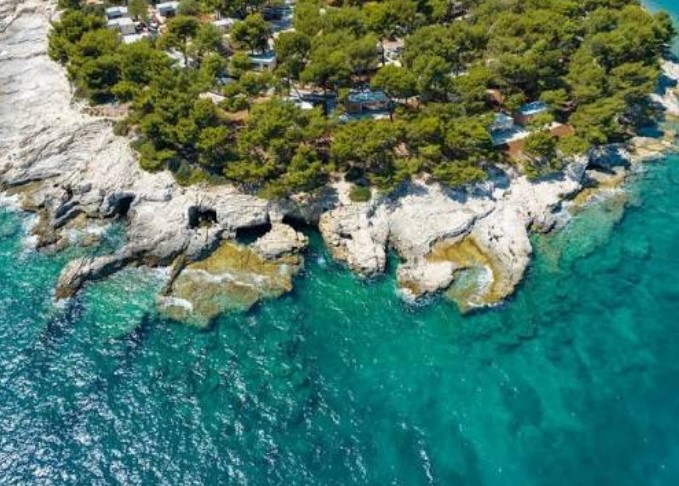
Source:https://underwateraffair.hr
You spit into your mask, rub it around, rinse it in the salty water, and pull the strap over your head. You take that first tentative breath through the tube—plastic tasting and slightly awkward—and lower your face into the water. In less than three seconds, the chaotic sound of tourist boats, splashing crowds, and tropical wind completely vanishes, replaced by the rhythmic, therapeutic sound of your own breathing. Suddenly, you are staring at a neon-purple world of branching corals, surrounded by hundreds of sergeant major fish that seem entirely unfazed by your presence.
If your typical vacation involves just sitting on the sand sipping a cocktail, you are missing out on 70% of the planet’s true beauty.
Over the last ten years of exploring oceans worldwide, I have hopped on countless day boats, speedboats, and traditional longtails. I have also learned that not all snorkeling island tours are created equal. Too many travelers fall into the trap of booking cheap, overcrowded excursions that herd humans like cattle, only to dump them onto a degraded reef with dead coral and zero fish.
If you want to transition from a casual vacationer to a savvy ocean explorer, you need to know how to navigate the technicalities of the underwater world.
Why Snorkeling Island Tours Are Your Portal to a New World
For beginners and intermediates, scuba diving can feel incredibly daunting with its heavy tanks, complex decompression tables, and intense certification processes. Snorkeling, however, is the ultimate equalizer.
Think of snorkeling as looking through a glass-bottom window into a massive, bustling aquatic metropolis. You get a front-row seat to the planet’s most complex ecosystem without ever needing to leave the surface.
The Physics of the Shallows
The beauty of booking dedicated island hops is that these tours take you away from the murky, wave-battered resort beaches and transport you to offshore patch reefs and fringing reefs.
-
Fringing Reefs: Coral structures that grow closely around islands and continental landmasses.
-
The Sunlight Zone (Epipelagic Zone): The top 200 meters of the ocean where 90% of all marine life resides.
Because corals require sunlight for photosynthesis (thanks to a symbiotic algae called zooxanthellae living inside their tissues), the absolute best, most vibrant marine action happens in water that is only 3 to 15 feet deep. This means as a snorkeler floating on the surface, you are actually in the optimal position to see maximum color saturation and marine activity.
The Anatomy of an Elite Snorkeling Excursion
When you are looking at brochures or browsing online booking platforms, you need to know how to spot a high-quality operator from a mile away.
+--------------------------+---------------------------------------------------------+
| Feature                  | What a Top-Tier Tour Provides                           |
+--------------------------+---------------------------------------------------------+
| Boat Style & Capacity    | Small-group speedboats or catamarans (Max 15-20 pax).   |
| Itinerary Timing         | "Reverse Itineraries" that beat the mass crowds.        |
| Gear Quality             | Dry-top snorkels and silicone masks (not cheap PVC).    |
| Safety Standards         | Dedicated in-water guides; VHF radio & oxygen on board. |
+--------------------------+---------------------------------------------------------+
The Marine Ecosystem: What to Look For
A truly pristine snorkeling spot isn’t just about clear blue water; it’s about structural diversity. During a memorable trip through the pristine waters of Southeast Asia, my local guide pointed out the distinct layers of a healthy reef system.
Look for healthy Acropora (staghorn and plate corals), which act like the apartment buildings of the sea. If the coral looks bright white, it is experiencing coral bleaching, a sign of environmental stress. You want to see rich olives, deep browns, vibrant purples, and mustards, which indicate a thriving, living reef structure.
Technical Gear Guide: Maximizing Comfort and Clarity
Nothing ruins snorkeling island tours faster than a leaky mask or a mouthful of choking saltwater. If you are stepping up your game to an intermediate level, you should know the mechanics of your equipment.
The Mask Seal Test
Don’t just accept whatever cheap plastic mask the tour operator throws at you. To test a mask for a proper fit, press it against your face without using the strap, tilt your head slightly forward, and inhale gently through your nose. If the mask suctions tightly to your face and stays there when you let go, you have a perfect, watertight seal. Always opt for liquid silicone skirts over cheap PVC plastics, as silicone conforms seamlessly to human facial contours.
Dry-Top vs. Classic Snorkels
If you are still using a basic open-ended tube, it’s time for an upgrade. Look for a dry-top snorkel. These devices utilize a clever internal float valve mechanism at the top of the tube. The moment a wave crashes over you, or you dive down below the surface, the float rises and seals the tube, preventing a single drop of water from entering your airway.
Pro-Tips and Hidden Truths for the Savvy Snorkeler
-
Pro-Tip #1: Master the Fin Kick. The absolute telltale sign of a beginner is someone who “bicycles” their legs in the water. Kicking vertically from the knees creates massive splashes, spooks the fish, and quickly exhausts your quadriceps. Instead, keep your legs straight and kick slowly from the hips, utilizing your fins like a dolphin’s tail to glide effortlessly across the surface.
-
Pro-Tip #2: Ditch the Chemical Sunscreen. Traditional sunscreens contain chemicals like oxybenzone and octinoxate, which enter the water column and chemically bleach corals. Even if a bottle claims to be “reef-safe,” check the active ingredients list. You want mineral-based sunscreens utilizing non-nano zinc oxide or titanium dioxide.
-
Watch the Tides. Always ask your tour operator about the tidal schedule before booking. The absolute best time for maximum underwater visibility is during slack tide (the brief period between high and low tide when the water stops moving). Avoid snorkeling right after a heavy storm or during a dropping low tide near sandy bays, as the resulting sediment runoff will reduce your visibility to zero.
Adventure is Waiting Just Under the Waves
The ocean is the world’s last great wilderness, and jumping onto well-curated snorkeling island tours is the easiest, most accessible way to explore it. By choosing the right operators, picking the optimal tides, and respecting the delicate marine environment, you transform a simple swim into an unforgettable expedition into an alien world.
Have you ever had a magical underwater encounter that completely changed your perspective on the ocean? Or perhaps you are planning your very first island-hopping trip and have questions about the gear? Drop a comment down below—let’s chat about your next tropical escape!