Time Alone: Solo Nature Escapes to Recharge
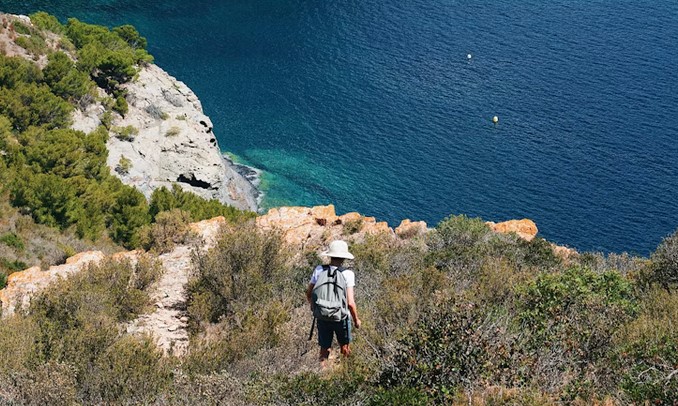
Source:https://spa-accor.imgix.net
You are standing on a rugged coastal cliff as a dense blanket of morning fog rolls in over the roaring surf. Your phone has been completely dead for 24 hours, not because the battery drained, but because there isn’t a cell tower within a 30-mile radius. Suddenly, a wave of mild panic hits your chest, followed immediately by a profound, unfamiliar sense of absolute stillness. For the first time in years, nobody wants anything from you, there are no notifications to clear, and the only schedule you have to keep is the setting of the sun.
Over my ten years of solo backpacking across some of the most remote wilderness corridors on the planet, I have watched this exact transition happen within myself and fellow travelers dozens of times. We live in a hyper-connected society where our brains are constantly processing background digital noise. Venturing out on solo nature escapes isn’t a lonely act of isolation; it is a highly strategic, physiological reset for your nervous system.
However, taking your first steps into the wilderness completely alone can be intimidating. If you are a beginner or intermediate outdoor enthusiast, executing a solo retreat requires a shift from passive vacationing to active logistical planning. Let’s dive deep into the mechanics of backcountry safety, mapping out low-risk environments, and mastering the psychological toolkit needed to successfully recharge in the wild.
The Logistics of Solitude: Assessing Risk vs. Reward
To understand solo wilderness travel, think of your safety plan like a submarine’s hull. When you travel with a group, you have multiple redundant systems to patch a leak. When you travel alone, you are a single-compartment vessel; your preparation must be entirely watertight before you leave the dock to prevent a minor setback from turning into an emergency.
Choosing the Right Infrastructure for Your Skill Level
For those transitioning into solo outdoor travel, do not immediately attempt a multi-day, off-trail bushcraft expedition. Instead, look for environments that offer structured isolation.
Think of it like learning to swim. You don’t jump straight into the middle of the ocean; you start in a controlled environment with clear boundaries. For a beginner or intermediate, excellent solo nature escapes utilize established trail networks, well-mapped state or national parks, or dedicated eco-cabins that sit right on the edge of the true wilderness.
The Technical Metrics of Wilderness Safety
Before pushing off into the woods, every solo traveler must establish a rigid flight plan (traditionally known as a wilderness itinerary). This data should be left with a trusted emergency contact back home and must include:
-
The Route Topography: Exact trail names, coordinates of your planned campsites, and alternative exit routes (bailout options) in case of flash flooding or sudden wildfire.
-
The Hard Turnaround Time: A strict, non-negotiable hour of the day where you must stop moving forward and head back, regardless of whether you reached your visual target or peak.
-
The Communication Window: A specific check-in deadline. If your contact does not hear from you by this time, they are legally authorized to contact local Search and Rescue (SAR) teams.
Top Wilderness Corridors Perfect for Solo Exploration
The ideal destination for a solo nature retreat provides a balance of breathtaking wild landscapes and reliable navigational infrastructure.
+-------------------+-----------------------------------+-----------------------------------+
| Ecosystem Type    | Navigational Security             | Primary Recharge Focus            |
+-------------------+-----------------------------------+-----------------------------------+
| Temperate Forest  | High (Meticulously marked trails  | Forest bathing, sensory grounding,|
|                   | & frequent ranger outposts)       | and digital detoxification        |
+-------------------+-----------------------------------+-----------------------------------+
| Coastal Wilds     | Moderate (Linear routes bounded   | Marine soundscapes, meditation,   |
|                   | naturally by the ocean shoreline) | and low-altitude hiking           |
+-------------------+-----------------------------------+-----------------------------------+
| Alpine Valleys    | Moderate (Clear valley-to-peak    | High-altitude mental clarity,     |
|                   | sightlines; seasonal huts)        | physical endurance training       |
+-------------------+-----------------------------------+-----------------------------------+
1. The Pacific Northwest Coastal Trails (The Sensory Immersion)
The moss-draped, old-growth forests along the coastlines of Washington or Oregon offer an incredible backdrop for a solo retreat. The sheer density of the vegetation creates a natural sound barrier, absorbing ambient acoustic pollution.
-
The Science of Shinrin-Yoku: Hiking alone here allows you to practice true forest bathing. Coniferous trees release antimicrobial compounds called phytoncides to protect themselves from insects. When humans inhale these organic compounds, our bodies respond by significantly reducing salivary cortisol levels (the primary stress hormone) and lowering blood pressure.
2. The Scandinavian Right to Roam (The Ultimate Autonomy)
For intermediate outdoor enthusiasts looking for safe backcountry camping, countries like Sweden and Norway are unparalleled due to Allemansrätten (the constitutional Right to Public Roam). You are legally allowed to tent camp on any uncultivated land for a night or two.
-
The Safety Advantage: Scandinavian trail networks feature an extensive system of unlocked wilderness emergency huts maintained by local trekking associations. This infrastructure provides an invaluable psychological safety net for solo hikers navigating unpredictable sub-arctic weather systems.
The Technical Kit: Redundant Systems for the Solo Traveler
When you are alone in nature, your gear isn’t just convenience; it is your virtual companion. You need to pack with an emphasis on self-sufficiency and communications hardware.
1. Navigational Redundancy and Satellite Technology
Never rely solely on a smartphone for navigation on solo nature escapes. Cold temperatures rapidly drain lithium-ion batteries, and thick forest canopies block basic cellular signals.
The Professional Navigation Protocol: Always carry a dedicated, high-sensitivity Satellite Messenger / PLB (Personal Locator Beacon) that operates on the Iridium satellite network. These devices allow you to send two-way text check-ins from deep canyons and feature a dedicated, guarded SOS button that alerts global rescue coordination centers. Pair this hardware with a physical, laminated topographic map and a fluid-filled magnetic compass that you actually know how to read.
2. The Ten Essentials Modified for Solo Travel
Your backpack should contain an expanded version of the classic outdoor survival kit, focused on managing a sudden, unexpected night out in the elements:
-
Illumination: A high-lumen headlamp with an extra set of lithium batteries.
-
Thermal Protection: A space-saving emergency bivy sack or space blanket, plus an extra synthetic insulating layer that retains heat even when soaked.
-
Fire Starting: Stormproof matches kept inside a watertight case, paired with chemical tinder blocks.
-
First Aid Customization: An expanded trauma kit containing tourniquets, pressure dressings, and a wide-spectrum supply of personal medications, blisters seals, and rehydration salts.
     💡 PRO-TIP FOR WILDERNESS SOLITUDE:
     The greatest challenge of a solo nature escape isn't physical; it's psychological.
     When the sun goes down and the wilderness goes pitch black, your brain's amygdala
     amplifies every rustle of a leaf into a predatory threat. To manage this natural
     adrenaline spike, download long-form audiobooks, acoustic music tracks, or educational
     podcasts onto your device before heading out. Listening to a calm, familiar human
     voice inside your tent instantly grounds your nervous system and stops panic cycles.
Hidden Warnings: Recognizing the Invisible Risks
The Hazard of Foot Entrapment and Minor Mobility Loss
On a group hike, a twisted ankle is an inconvenient delay. On a solo trek, a fractured bone or a severe ligament tear can quickly turn life-threatening.
When traversing slick river crossings, loose talus slopes, or exposed root networks, you must consciously slow your walking pace down by 20%. Treat every step like a deliberate chess move. Avoid taking unnecessary physical risks, such as jumping across boulder gaps or climbing steep rock faces without safety ropes, just to get a better photo view.
     ⚠️ THE HIDDEN WARNING: THE FALSE SECURITY OF THE TRAIL APP
     Many intermediate solo hikers download popular offline trail maps onto their phones
     and assume they are 100% safe. These crowd-sourced apps frequently feature outdated
     data, missed trail washouts, or seasonal closures. Always check the official
     government park service website for real-time ranger alerts, wildlife activity warnings,
     and trail maintenance logs before stepping onto the path alone.
Reclaiming Your Mental Spaciousness
Stepping out into the grand design of the natural world by yourself is an act of radical mental reclamation. It strips away the constant social performance required by modern life and reveals your true baseline strength. By choosing your environment intelligently, verifying your safety protocols, and packing with strict technical redundancy, you transform the wilderness into the ultimate sanctuary for personal growth and deep mental rejuvenation.
Are you preparing to take your very first solo weekend camping trip, or are you looking to plan an off-grid cabin retreat to completely reset your creative focus? Let me know what your dream solo environment looks like in the comments below, and let’s get you ready for the trail!