Preserving Stories: Heritage Museums Worth Exploring
Source:https://xsite.com
Imagine walking into a room so quiet you can hear your own heartbeat, only to find yourself staring at a 2,000-year-old terracotta warrior or a beautifully preserved piece of medieval silk. Suddenly, the noise of the modern world fades away. Sadly, for many travelers, the word “museum” conjures up images of dusty glass cases, endless lines of school groups, and mind-numbing walls of tiny text. It’s a common travel trap: we visit these places out of obligation, check them off our bucket list, and leave feeling completely uninspired.
Over the past ten years of living out of a suitcase, I’ve step-tested hundreds of galleries across the globe. What I discovered completely flipped my perspective: the world’s finest cultural heritage museums aren’t static warehouses for old, dead things.
They are living time machines. When you learn how to look past the glass, you realize you aren’t just looking at artifacts—you are looking at preserved human survival, triumph, and creativity.
Why Cultural Heritage Museums Are More Than Just Dusty Rooms
To truly appreciate these spaces, it helps to understand what happens behind the scenes. Think of a heritage museum as a cultural hard drive. If a massive fire or natural disaster wiped out a city, these institutions hold the “backup files” of human identity.
The Art of Material Culture
When curators build an exhibition, they are selecting pieces of material culture—the physical objects created, used, and left behind by past societies. These objects are deeply tied to provenance, which is the detailed chronology of an artifact’s ownership and origin.
When I was exploring the lesser-known archives in Kyoto, a master conservator showed me a centuries-old samurai robe. He explained that understanding its provenance wasn’t just about knowing who owned it; it was about tracing the exact trade routes of the silk and the specific social status of the weaver. That single textile was a physical map of ancient global economics.
Tangible vs. Intangible Heritage
For beginners navigating these cultural hubs, it’s useful to divide what you see into two distinct categories:
-
Tangible Heritage: The physical elements you can see and touch (if not restricted by security!). This includes architecture, monuments, books, weapons, and clothing.
-
Intangible Heritage: The living expressions inherited from our ancestors. Think of oral traditions, performing arts, social practices, rituals, and festive events.
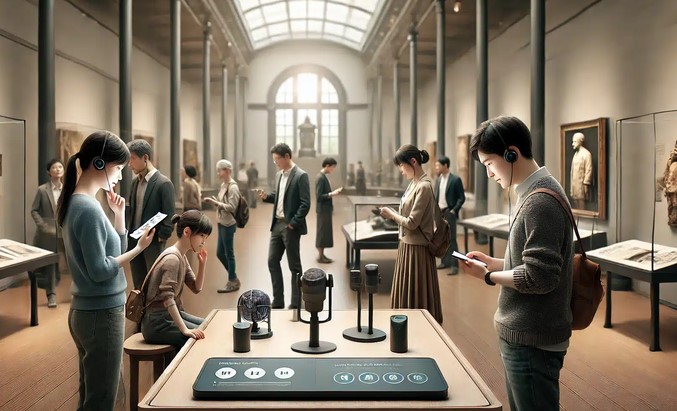
The most cutting-edge cultural heritage museums today excel at blending both. They don’t just show you a traditional musical instrument; they provide directional audio showers that envelop you in the exact acoustic landscape of the era it was played.
Global Standard Bearers: Curations Done Right
If you want to experience spaces that masterfully bridge the gap between history and human emotion, a few specific destinations stand out from my decade on the road.
+-----------------------------------+-----------------------------------+-----------------------------------+
| Museum & Location                 | Core Focus                        | Why It Stands Out                 |
+-----------------------------------+-----------------------------------+-----------------------------------+
| The Zeitz MOCAA                   | Contemporary African Heritage     | Housed in a repurposed, massive   |
| (Cape Town, South Africa)         |                                   | historic grain silo structure.    |
+-----------------------------------+-----------------------------------+-----------------------------------+
| The Vasa Museum                   | 17th-Century Maritime History     | Features a fully intact, salvaged |
| (Stockholm, Sweden)               |                                   | warship from 1628.                |
+-----------------------------------+-----------------------------------+-----------------------------------+
| Museo Larco                       | Pre-Columbian Gold & Textiles     | Open-inventory storerooms that   |
| (Lima, Peru)                      |                                   | let visitors explore like a pro.  |
+-----------------------------------+-----------------------------------+-----------------------------------+
Decolonizing the Narrative: Zeitz MOCAA
Located on the V&A Waterfront in Cape Town, this architectural marvel is a prime example of a modern space preserving living stories. The building itself is a piece of industrial heritage—a historic grain silo hollowed out to look like a geometric honeycomb. Instead of focusing solely on antiquity, it champions contemporary African voices, showing that cultural heritage is actively being written right now.
The Miracle of Preservation: The Vasa Museum
In Stockholm, the Vasa Museum holds a massive 64-gun warship that sank on its maiden voyage in 1628. Because of the unique low-salinity and cold conditions of the Baltic Sea, the wood didn’t rot. Walking into this dimly lit hall feels like stepping onto a Hollywood movie set, but the weight of reality hits you when you look at the personal belongings—shoes, coins, and wooden spoons—recovered from the sailors who went down with the ship.
Navigating Like an Insider: A Beginner-to-Intermediate Guide
Walking aimlessly through a massive institution is the fastest way to get “museum fatigue”—that specific, exhausting brain fog that hits after looking at too many exhibits. Here is how I technically approach a day of cultural exploration to get the most out of it.
The Strategic Museum Blueprint
Pro-Tips and Hidden Pitfalls for the Smart Traveler
-
Pro-Tip: Seek Out the Open Storerooms. Many progressive cultural heritage museums now feature “visible storage” or open-inventory rooms (like the Museo Larco in Peru). While the main galleries show less than 5% of a museum’s total collection, these massive glass-walled grid rooms let you look at thousands of categorized artifacts up close. It feels like you’ve sneaked into the secret backstage vault.
-
The “Monday/Tuesday” Trait. A surprising number of independent and state-run heritage sites worldwide close doors completely on Mondays or Tuesdays for deep conservation cleaning and artifact rotation. Always cross-check the official operational calendar before planning a travel itinerary around a specific gallery.
-
Avoid the Flash Photography Trap: It’s not just about annoying other visitors. The cumulative effect of high-intensity camera flashes causes a chemical reaction called photochemical degradation, permanently fading the pigments of irreplaceable historical artifacts. Keep the flash off, always.
Connect With the Past on Your Next Journey
Unlocking the magic of cultural heritage museums simply requires shifting your mindset. Stop viewing them as checklists of old objects, and start looking at them as collections of choices made by people who lived, loved, and struggled just like we do today. The next time you visit a new city, skip the generic tourist strips and seek out a local heritage collection. You might just find a piece of your own story waiting for you inside.
Have you ever visited a museum that completely shifted your worldview or left you speechless? Or maybe there’s a hidden gem of a cultural site in your hometown that travelers frequently miss? Let me know in the comments below—I am always looking to add new destinations to my bucket list!