Far from the Crowd: Remote Beach Camping Escapes
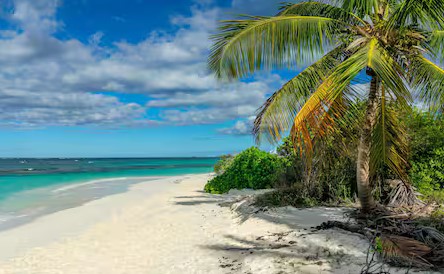
Source:https://images.trvl-media.com
You wake up at 2:00 AM, not to the piercing shriek of your smartphone alarm, but to the rhythmic, deep-bass rumble of the Pacific Ocean crashing thirty feet from your pillow. You unzip the tent rainfly, and the crisp, salty air hits your face as you look up at a night sky so completely unpolluted by city lights that the Milky Way looks like a thick, glowing smear of white paint. There are no crowded boardwalks, no noisy resort bars, and absolutely no cell service. It is just you, a crackling piece of driftwood on the fire, and miles of empty sand.
If your idea of a beach vacation involves fighting for a square meter of sand to place your towel at a commercial resort, you are doing it wrong.
Over my past ten years of living on the road, I have pitched tents on alpine ridges, inside dense jungles, and across vast deserts. But nothing matches the raw, liberating freedom of remote beach camping.
However, paradise comes with a catch. The coast is a highly dynamic, unforgiving environment, and if you approach it like a standard backyard campout, the ocean will quickly teach you a brutal lesson. Let’s dive deep into the technicalities of surviving and thriving on the edge of the sea.
The Dynamic Coastline: Understanding Coastal Hydrology
When you pitch a tent in the forest, the ground stays relatively stable. When you camp on the coast, you are pitching your shelter in a moving puzzle shaped by coastal hydrology. Think of the beach as a giant breathing organism; it expands and contracts twice a day, every day, driven by the gravitational pull of the moon.
Decoding the Tidal Range
Before you even pack your vehicle, you must analyze the local tidal range—the vertical difference between high tide and low tide.
-
Spring Tides: Occur during full and new moons, causing the highest high tides and lowest low tides.
-
Neap Tides: Occur during quarter moons, resulting in much less extreme tidal variations.
During a solo expedition along a rugged, uncharted coastline years ago, I miscalculated the tidal schedule. I woke up with three inches of freezing seawater rushing through my mesh flooring because I had failed to look for the wrack line—the line of debris, kelp, and driftwood left behind by the absolute highest point of the previous tide. Always setup your camp at least 20 to 30 vertical feet above this clear environmental marker.
+--------------------------+---------------------------------------------------------+
| Beach Zone               | Camping Viability & Technical Status                    |
+--------------------------+---------------------------------------------------------+
| Surf Zone                | High risk; breaking waves and active erosion.           |
| Intertidal Zone          | Submerged daily; strictly for low-tide foraging only.   |
| High Beach (Wrack Line)  | Borderline zone; unsafe during spring tides or storms.  |
| Foredune Area            | The Sweet Spot; stable sand, protected from wind.      |
+--------------------------+---------------------------------------------------------+
Mastering the Sand: Anchoring and Shelter Mechanics
Standard camping gear will fail miserably the moment it meets coastal winds and loose sand. You need to adapt your structural mechanics to handle the lack of solid soil.
The Physics of Sand Stakes
If you try to use standard, thin aluminum tent stakes in loose beach sand, the wind will rip them out of the ground faster than you can blink. Sand acts like fluid powder; it doesn’t hold tension under pressure.
To combat this, you need sand anchors or specialized wide, U-shaped aluminum snow/sand stakes.
The Deadman Anchor Technique: If the wind kicks up and you don’t have specialized stakes, use the “deadman anchor” method. Tie your tent guyline securely around a heavy piece of driftwood or a large stone, bury it at least two feet deep into the damp sand, and stamp the sand down firmly on top. The weight of the compressed sand locks the object in place, providing an unmovable anchor point.
Managing the Abrasive Element
Sand is the ultimate friction agent; it will find its way into your camera lenses, your sleeping bag zippers, and your food. I highly recommend using a double-wall tent structure with a tight mesh inner body to keep wind-blown sand particles out. Keep a small, stiff whisk broom in your tent vestibule to aggressively sweep your feet before crawling inside the sleeping compartment.
The Leave No Trace Coastal Blueprint
True remote beach camping requires an absolute commitment to environmental preservation. Because the coastline borders highly sensitive marine ecosystems, your waste management must be flawless.
-
Human Waste Management: In the forest, burying waste in a cat-hole is standard practice. On a remote beach, this is often illegal or environmentally hazardous because the water table is incredibly high, and shifting sands easily expose waste. You must use dedicated WAG bags (Waste Alleviation and Gelling bags) to pack out all human solid waste.
-
Driftwood Ethics: While a beach fire is iconic, never cut down living coastal vegetation or destroy stabilizing dune grasses. Only burn small pieces of dry driftwood that have been thoroughly bleached by the sun, and always extinguish the fire completely using ocean water—never just bury it with sand, as buried embers can retain heat for days and burn unsuspecting hikers walking barefoot.
Expert Advice: Pro-Tips and Hidden Coastal Hazards
-
Pro-Tip #1: Always Carry a Marine Weather Radio. The ocean creates its own microclimates. You can experience clear skies three miles inland while the coast is battered by a dense marine layer or sudden gale-force winds. A radio that receives NOAA weather alerts will give you advanced warning of sudden pressure drops.
-
Pro-Tip #2: Protect Your Zippers from Salt Corrosion. The salty marine air causes rapid oxidation on metal parts. Before leaving for a coastal trek, coat all your backpack, tent, and jacket zippers with a thin layer of paraffin wax or specialized marine zipper lubricant. This prevents the metal from seizing up after three days of exposure.
-
The Rogue Wave Trait. Never camp on narrow beaches flanked by sheer, vertical sea cliffs. If a sudden storm surge or a rogue wave hits during high tide, your escape route is entirely blocked by the rock wall behind you, leaving you trapped in a highly dangerous zone. Always ensure your camping zone has an accessible, high-ground exit path.
Disconnect to Reconnect on the Edge of the Earth
Stepping away from organized campgrounds and embracing the isolation of remote beach camping is a transformative milestone for any outdoor enthusiast. It strips away the modern noise and forces you to tune your daily rhythm to the natural cycles of the moon, the tides, and the wind. By preparing your gear technically, respecting the power of the ocean, and leaving the coast pristine, you unlock a raw wilderness experience that no luxury hotel could ever replicate.
Have you ever braved the elements for a night under the stars on an empty coastline? Or perhaps you are mapping out your very first wilderness coastal trek and need advice on specific gear? Drop your thoughts, questions, or favorite coastal spots in the comments below—let’s talk adventure travel!