Tastes of the World: Street Food Experiences That Delight
October 30, 2026
No Comments
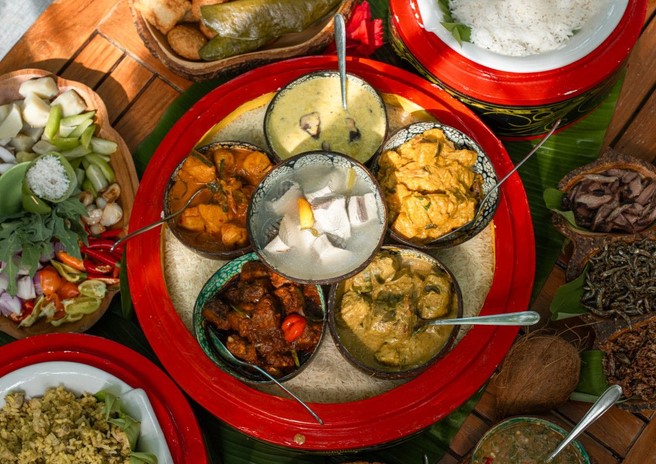
Source:https://visitmaldives.s3.amazonaws.com
Imagine standing in a narrow alley in Penang, surrounded by sizzling woks, fragrant clouds of lemongrass smoke, and the hypnotic clatter of spatulas against iron. You smell something absolute culinary magic—until you look at the plastic stools, the open water bucket, and suddenly panic hits: Is this going to ruin the rest of my trip with food poisoning?
Over my ten years of eating my way through backstreet night markets, floating stalls, and roadside carts across six continents, I have seen thousands of cautious travelers turn away from incredible culinary discoveries out of fear. Navigating global street food experiences isn’t about reckless bravery or playing food roulette; it requires understanding culinary culture, food safety indicators, and local food preparation methods.
Whether you are a beginner taking your first steps toward street-side dining or an intermediate traveler looking to upgrade your food hunting skills, this comprehensive guide will help you feast safely and authentically anywhere in the world.
Why Street Food Is the True Heart of Global Travel
Many travelers spend hundreds of dollars at high-end, air-conditioned restaurants in foreign cities, only to end up eating sanitized, Westernized versions of local cuisine.
The Cultural and Culinary Value of the Street Cart
Real culinary tradition lives on the sidewalk. Street food vendors are hyper-specialized artisans who often spend decades perfecting just one or two signature dishes.
-
High-Turnover Freshness: Unlike quiet traditional restaurants where ingredients might sit in a walk-in fridge for days, high-volume street carts cook raw ingredients within minutes of purchasing them at morning markets.
-
Unfiltered Culinary Heritage: Street food recipes are living heirlooms passed down through generations, preserved without alteration for tourist palates.
-
Direct Cultural Exchange: Eating at communal stainless-steel tables breaks down language barriers and puts you right alongside local workers, students, and families.
Think of a bustling street food market as a live, open-source cooking theater. You get to inspect every single ingredient, watch the chef’s knife skills, and evaluate the thermal cooking process before you ever hand over a single coin.
Global Street Food Paradises: Iconic Culinary Regions
While almost every country has its own version of quick-serve sidewalk snacks, certain global destinations have elevated street dining into an art form.
                    ┌─────────────────────────────────────────┐
                    │      GLOBAL STREET FOOD HOTSPOTS        │
                    └────────────────────┬────────────────────┘
                                         │
     ┌───────────────────────────────────┼───────────────────────────────────┐
     ▼                                   ▼                                   ▼
[ SOUTHEAST ASIA ]                 [ LATIN AMERICA ]                  [ MIDDLE EAST & MED ]
 • High Heat Wok-Hei Cooking       • Masa-based Maize Creations       • Fire-Roasted Meats & Spices
 • Hot & Sour Broths, Satay        • Tacos, Tostadas, Tamales         • Shawarma, Falafel, Kebabs
 • Fresh Herbs, Lime, Chilies      • Fresh Salsas & Lime Juices       • Tahini, Flatbreads, Mezze
1. Southeast Asia: High Heat and Balanced Flavors
From Bangkok’s vibrant night markets to Hanoi’s sidewalk noodle stalls, Southeast Asian vendors master the balance of sweet, salty, sour, bitter, and umami.
-
Key Highlights: Char Kway Teow cooked with intense wok-breath (wok hei) in Malaysia, comforting bowls of Pho in Vietnam, and charcoal-grilled satay skewers served with peanut sauce in Indonesia.
-
Why It Excites: Complex flavor profiles built from fresh galangal, kaffir lime leaves, fish sauce, and bird’s eye chilies.
2. Latin America: Masa, Fire, and Bright Citrus
Street dining in Mexico, Colombia, and Peru centers around heirloom corn, slow-roasted meats, and bright, acidic salsas.
-
Key Highlights: Tacos al Pastor sliced off a vertical spit (trompo) in Mexico City, crispy arepas stuffed with shredded beef in Bogota, and fresh lime-cured ceviche prepared along Lima’s coastal ports.
-
Why It Excites: A rich interplay between earthy corn bases, rich grilled fats, and zesty fresh salsas.
The Food Safety Matrix: How to Spot Safe Street Carts
Enjoying authentic street food experiences without digestive issues comes down to observing vendor hygiene and food preparation practices.
1. The High-Turnover Rule
The single best indicator of both food safety and taste is a long line of local residents.
-
Rapid Ingredient Cycle: A busy vendor restocks fresh meat, seafood, and vegetables continuously throughout the service window.
-
Cooked-to-Order Priority: Always choose stalls where your meal is cooked fresh in front of you over vendors displaying pre-cooked food sitting under heat lamps.
2. Thermal Safety Thresholds
Heat is your best friend when dining on the street. High temperatures kill harmful bacteria almost instantly.
-
Boiling Broths and Sizzling Oils: Soups, curries, and fried dishes served piping hot are inherently safe.
-
The Danger Zone: Avoid meat or dairy dishes sitting at room temperature (between 5°C and 60°C / 40°F and 140°F) for extended periods.
Field Observation: In over a decade of eating sidewalk meals, I have never gotten sick from a high-heat wok dish or a boiling soup served to a crowd of local families. The few digestive bugs I ever caught came from quiet, empty restaurants with large, under-utilized menus.
Expert Advice: Pro Tips and Hidden Warnings
To ensure your culinary adventures across global street markets remain delicious, safe, and stress-free, keep these field-tested guidelines in mind:
-
Pro Tip: Follow the Local Mealtime Hours: Eat at street markets during peak local meal times (e.g., 12:00 PM to 2:00 PM for lunch, or 6:30 PM to 8:30 PM for dinner). Arriving early or late means you might be served food that has been sitting out after peak preparation hours.
-
Hidden Warning: Be Cautious with Raw Garnish and Ice: In regions with untreated tap water, pass on raw leafy garnishes washed in tap water, peeled fruit served on open ice blocks, or crushed ice made from non-commercial water sources. Stick to fruits with thick peelable skins like mangoes, bananas, and mangosteens.
-
Pro Tip: Carry Your Own Pocket Dining Kit: Pack a small pouch containing alcohol-based hand sanitizer, pocket tissues or wet wipes, and a pair of reusable travel chopsticks or a spork. Many street stalls supply basic napkins, but having your own sanitation gear makes sidewalk dining much cleaner.
-
Hidden Warning: Inspect the Money-to-Food Handling: Pay close attention to vendor workflow. If the person handling raw meat or serving cooked noodles is also directly handling cash without washing their hands or changing gloves, pick a different stall.
Taste the World One Sidewalk at a Time
Embracing authentic street food experiences is the ultimate gateway to understanding a destination’s culture, history, and community spirit. By looking for high-turnover stalls, prioritizing piping-hot cooked meals, and keeping basic food safety principles in mind, you can step out of your comfort zone and enjoy some of the best meals of your life right on the sidewalk.
Grab your napkin, follow where the locals line up, and let your tastebuds lead your next adventure!
Over to You: What is the most memorable street food dish you have ever tried on your travels? Or do you have a go-to safety rule when picking a food stall in a new city? Share your favorite food stories and tips in the comments below!