Brave the Cold: Frozen Ice Treks for True Adventurers
September 10, 2026
No Comments
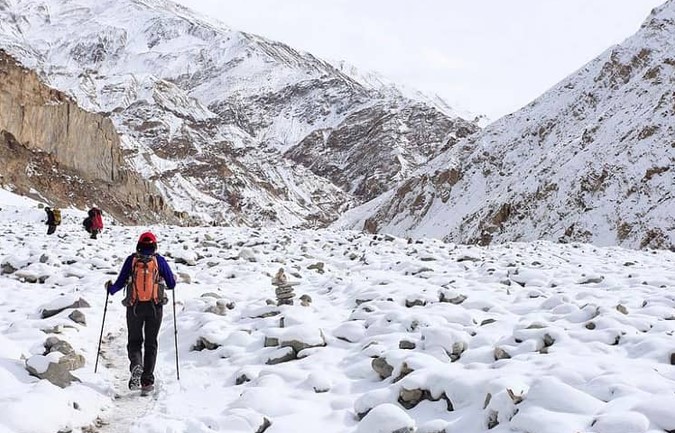
Source:https://lifeontheplanetladakh.com
Picture this: sub-zero wind howling against your face, the sharp crunch of compact ice beneath your boots, and a sheet of frozen river stretching out as far as your eyes can see. Your core is warm, your pulse is steady, but your fingers are numb because you made the rookie mistake of taking off your inner liner gloves for just five seconds to take a photo.
After more than a decade of traversing high-altitude glaciers and frozen river channels—from the Zanskar Gorge in the Himalayas to the vast ice fields of Patagonia—I can tell you that winter trekking is an entirely different sport. It is brutal, humbling, and utterly addictive.
For beginners and intermediate hikers, frozen ice treks sound intimidating. However, once you learn how to read the ice, master your gear layering, and respect the cold, walking over frozen wilderness becomes one of the most transformative adventure experiences on Earth.
Why Trekking on Ice Hits Differently Than Summer Hiking
Summer hiking is about endurance and navigation; winter ice trekking is about physical awareness and micro-decisions. Every step requires you to evaluate the surface beneath you.
Think of walking on river ice like navigating a floor made of glass mirrors resting over a moving conveyor belt. The surface might look static, but beneath that sheet of blue ice, nature is in constant motion.
Here is what changes when you transition from regular trails to frozen ice treks:
-
Energy Expenditure Increases by 30-40%: Trudging through soft snowpack and wearing heavy thermal layers burns significantly more calories per hour than dry-ground trekking.
-
Marginal Room for Error: A simple spill on ice can mean a twisted ankle miles away from medical evacuation, and sweating in sub-zero temps can lead to rapid onset hypothermia.
-
Unique Acoustic Cues: Experienced ice trekkers listen to the sound of the ice. High-pitched cracks mean thick, solid ice stress-testing under thermal expansion; dull thuds mean hollow, unsafe pockets.
Dry Trail Trekking vs. Frozen Ice Trekking
+-----------------------+------------------------+------------------------+
| Factor                | Dry Trail Trekking     | Frozen Ice Trekking    |
+-----------------------+------------------------+------------------------+
| Primary Surface       | Rock, soil, mud        | Sheet ice, snow, firn  |
| Traction Needed       | Standard hiking boots  | Microspikes/Crampons  |
| Hydration Strategy    | Hydration bladders     | Insulated thermoses    |
| Pace Control          | Steady rhythm          | Shorter, cautious strides|
+-----------------------+------------------------+------------------------+
Iconic Routes for Your First Frozen Ice Treks
Over my ten years on the trail, three destinations have consistently delivered the ideal balance of technical safety and jaw-dropping scenery for beginners and intermediates.
1. The Chadar Trek (Zanskar River, India)
This is the holy grail of river ice trekking. Located in Ladakh, you walk along the frozen Zanskar River inside a sheer rock gorge, where the water freezes over in the depths of winter.
-
Difficulty Level: Intermediate (due to high altitude and sub-zero night temps).
-
Insider Insight: The ice sheet (Chadar) changes daily depending on water flow and sunshine. A path that was solid at 8:00 AM might turn into slush by 2:00 PM.
2. Skaftafell Glacier Hike (Vatnajökull, Iceland)
Iceland’s ice caps offer an approachable entry point for beginner ice trekkers who want to experience glacier walking and natural ice caves without a multi-day commitment.
-
Difficulty Level: Beginner-friendly (with local guides).
-
Insider Insight: Never enter glacier ice caves without a guide. Thermal activity and shifting weight can cause collapses in unmonitored formations.
3. Lake Baikal Ice Trek (Siberia, Russia)
Walking across the deepest lake on Earth reveals ice so clear you can see dozens of meters down into the dark abyss.
-
Difficulty Level: Intermediate (extreme wind exposure).
-
Insider Insight: Wind chill here is your main adversary. A wind-proof hard shell outer layer is far more crucial than a bulky down jacket when moving on open lake ice.
Technical Gear Breakdown: The Non-Negotiables
Navigating frozen ice treks safely means treating your equipment as life-support gear. You do not need to spend a fortune, but you must choose function over fashion.
1. Traction Systems: Microspikes vs. Crampons
-
Microspikes: Flexible rubber harnesses with small steel chains and spikes underneath. Essential for flat, level sheet ice and icy trails.
-
Crampons: Rigid steel frames with sharp, long spikes designed for steep glacier slopes and hard-packed ice walls.
2. Moisture Management (The Layering Rule)
Sweat is your biggest enemy in cold environments. Once you stop moving, trapped moisture cools down rapidly, causing dangerous core body temperature drops.
-
Base Layer: Pure merino wool or synthetic materials (never cotton).
-
Mid Layer: Fleece or breathable grid insulation to trap body heat.
-
Outer Shell: Windproof and waterproof Gore-Tex barrier to block freezing gusts.
Pro Tips & Hidden Warnings: Insider Knowledge from the Trail
After years of trial and error (including plenty of minor frostbite scares), here are the lessons you won’t always find in standard guidebooks.
Pro Tip: Swap your hydration bladder hose for insulated stainless-steel thermoses filled with hot tea or boiling water. Water in rubber hydration tubes will freeze solid within 30 minutes in sub-zero temperatures, leaving you with no way to drink on the trail.
Hidden Warnings to Keep in Mind:
-
Beware of “Black Ice” Slush: On river treks, dark patches often indicate thin ice where water has seeped through from below. Stepping here can break through the crust, soaking your boots instantly.
-
Keep Batteries Warm: Lithium-ion batteries (phones, cameras, GPS units) drain instantly in cold conditions. Keep your devices inside an inner pocket close to your chest so your body heat keeps them alive.
-
Sunglasses Are Mandatory: Snow blindness is a real and painful condition caused by UV rays reflecting off white ice sheets. Always wear Category 3 or 4 UV-protected glacier glasses, even on overcast days.
Final Thoughts: The Frozen Frontier Awaits
Trekking across frozen landscapes strips away the noise of the modern world. There are no engine hums, no concrete structures, and no digital distractions—just the crisp air, the vast expanse of blue and white, and the rhythmic sound of your footsteps on solid ice.
Whether you start with a half-day guided glacier walk in Iceland or prepare for a multi-day expedition through frozen Himalayan gorges, taking on frozen ice treks will forever change how you perceive winter adventure. Pack smart, respect the cold, and step onto the ice with confidence.
What Is Your Ultimate Winter Adventure?
Are you ready to strap on microspikes and brave the cold, or do you prefer your hiking trails warm and sunny? Let me know your thoughts, questions, or dream winter destinations in the comments below—let’s talk travel!