Ride the Sands: Desert Mountain Biking Trips for Thrill Seekers
September 15, 2026
No Comments
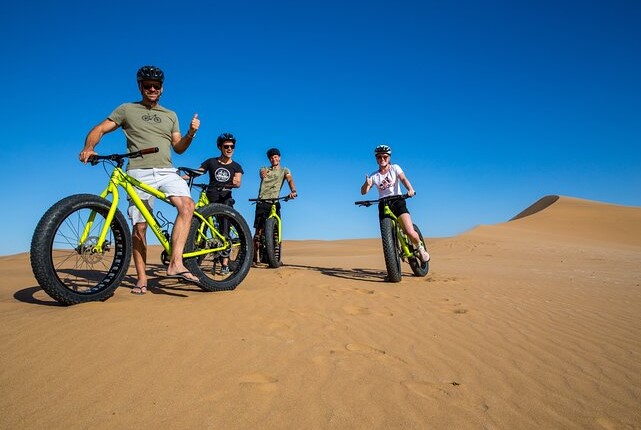
Source:https://media.tacdn.com
You hit a patch of loose silt at 25 kilometers per hour, your front tire instantly washes out, and suddenly you are airborne over a sea of red sandstone and cacti. Welcome to the brutal, beautiful reality of riding arid landscapes.
Over the last decade of testing trails across the globe—from Moab’s legendary Slickrock to the desolate, wind-sculpted tracks of the Atacama—I have learned one hard truth: desert riding is an absolute beast compared to your average forest singletrack. The heat cooks your stamina, the terrain destroys under-prepared bikes, and navigation errors carry real consequences.
Yet, there is nothing quite like the sheer adrenaline rush of carving through vast, open canyons under a clear horizon. Whether you are eyeing your very first sand session or upgrading to multi-day desert expeditions, planning the right desert mountain biking trips requires a blend of technical preparation and local insight.
Why Desert Mountain Biking Demands a Different Mindset
Riding through arid terrain isn’t just forest mountain biking with better sunshine. The dirt itself behaves completely differently under your knobby tires.
Imagine riding your bike on a giant slab of memory foam covered in dry marbles. That is what navigating deep sand and loose scree feels like. Instead of leaning heavily into corners like you would on tacky forest dirt, riding arid terrain demands balanced body positioning, smooth pedal strokes, and continuous momentum.
+-------------------------------------------------------------------+
|               TERRAIN MATRIX: DESERT vs. FOREST TRAILS            |
+-------------------+-----------------------+-----------------------+
| Feature           | Forest Singletrack    | Desert Trails         |
+-------------------+-----------------------+-----------------------+
| Traction          | High (Loam/Tacky dirt)| Low to Variable (Sand)|
| Bike Setup        | Standard pressure     | Lower PSI / Tubeless  |
| Water Needs       | 1–2 Liters / Session  | 3–5+ Liters / Session |
| Navigation Risk   | Low (Clear tree lines)| High (Exposed/Slick)  |
+-------------------+-----------------------+-----------------------+
Technical Bike Setup for Arid Terrain
If you roll onto desert singletrack with a standard cross-country setup, you will be walking your bike within twenty minutes. Arid trails are notoriously unforgiving on equipment.
1. Tire Pressure and Width
Fine sand and slickrock will swallow thin tires whole. Switch to wide trail tires (at least 2.4 to 2.6 inches) or consider a mid-fat setup.
Lower your tire pressure slightly—typically around 18–22 PSI depending on your body weight. Think of a snowshoe: a wider, softer contact patch floats over soft sand rather than digging a trench and bringing you to a complete dead stop.
2. Tubeless Systems and Sealant
Go tubeless, or do not go at all. Desert ecosystems are packed with goatheads, mesquite thorns, and sharp flint rocks designed to puncture standard butyl tubes.
Fill your tires with fresh liquid sealant before heading out. Over my years on the trail, I have watched rider after rider get sidelined simply because their sealant dried out in the desert heat months prior.
Planning Your First Desert Mountain Biking Trip
When selecting a guided trip or planning an independent expedition, matching the route to your technical capability is vital.
Beginner Level: Slickrock and Packed Fire Roads
-
Best for: Riders transitioning from paved paths or basic green-rated trails.
-
Trail Profile: Solid sandstone ledges, wide gravel doubletrack, low technical drops.
-
Key Focus: Learning body positioning, smooth braking, and basic heat management.
Intermediate Level: Technical Canyons and Loose Ridge Trails
-
Best for: Cyclists comfortable with exposure, steep rock rolls, and loose corners.
-
Trail Profile: Off-camber slickrock, deep sand washes, moderate drops, and rocky switchbacks.
-
Key Focus: Line choice, carrying momentum through sand traps, and self-sufficient trail repair.
Hidden Hazards: What the Tour Brochures Skip
A few seasons back while navigating a remote wash in Utah, my riding partner misjudged a dry riverbed crossing. What looked like solid, sun-baked earth was actually a thin crust over deep silt. His front wheel sunk instantly, launching him into a patch of prickly pear cactus.
That single incident halted our group for nearly two hours. Desert terrain punishes small mistakes quickly.
Dehydration and Hydration Dynamics
In high-heat, low-humidity environments, your sweat evaporates instantly. You might feel dry and cool while rapidly losing vital fluids and electrolytes. Carry a minimum of 1 liter of water per hour of riding, supplemented with high-sodium electrolyte tablets.
Thermal Expansion and Mechanical Failures
Extreme temperature swings affect your bike. Hydraulic brake fluid expands under intense heat, causing brake drag, while tubeless pressures spike when bikes sit under direct sunlight. Keep your ride shaded during rest stops.
Pro Tip: Never rely solely on smartphone apps for desert navigation. High heat rapidly drains lithium batteries, and canyon walls block cellular signals. Always carry a physical topographic map alongside a dedicated GPS unit or satellite communicator.
Essential Gear Checklist for Arid Expeditions
When packing for multi-day desert mountain biking adventures, durability and emergency backup systems take top priority:
-
Hydration Pack: 3-liter bladder capacity minimum with dedicated storage for gear.
-
Trail Repairs: Tire plugs (bacon strips), extra sealant, spare chain links, and a high-volume hand pump.
-
Apparel: Lightweight, UPF 50+ long-sleeve jerseys, breathable padded chamois, and photochromic eyewear to protect against glare and flying grit.
-
First Aid: Cohesive bandages, tweezers (essential for cactus spine removal), antiseptic wipes, and emergency foil blankets for sudden desert night temperature drops.
Ready to Hit the Red Dirt?
Conquering desert trails offers a sense of freedom and raw challenge that few other landscapes can match. By respecting the environment, dialing in your gear, and choosing routes matched to your skill level, your trip into the arid wilderness will be an absolute highlight of your riding life.
Now, I want to hear from you! Have you ever experienced the challenge of riding in deep sand, or are you currently planning your very first desert riding adventure? Drop a comment below, share your favorite desert trail, or ask any technical setup questions—I respond to every single one!