Conquer the Ice: Glacier Climbing Expeditions for Brave Travelers
September 20, 2026
No Comments
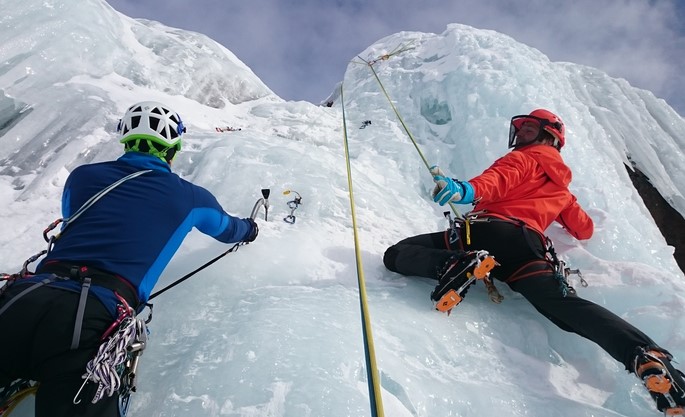
Source:https://assets.explore-share.com
The first time you hear a glacier groan beneath your crampons, your heart leaps straight into your throat. It isn’t a subtle noise—it is a low, echoing rumble deep inside a 10,000-year-old body of ice that reminds you instantly how small you are.
Over the past decade of guiding and participating in mountaineering trips from Patagonia’s ice fields to the rugged glaciers of Iceland and the Swiss Alps, I have watched countless beginners step onto blue ice for the very first time. Most arrive with a mix of awe and sheer terror, assuming glacier travel is reserved exclusively for elite alpine athletes.
The truth? With the right preparation, certified guides, and technical gear, entering this frozen world is entirely achievable for motivated beginners and intermediate adventurers. Choosing the right glacier climbing expeditions will transform a intimidating wall of ice into one of the most exhilarating playgrounds on Earth.
Why Glacier Travel Is Unlike Any Other Alpine Adventure
Walking on a glacier is not simply “snow hiking.” It is navigating a dynamic, slowly moving river of ice that is constantly shifting, cracking, and melting under its own immense weight.
Think of a glacier as a giant slab of stiff taffy pulling itself down a mountain slope. As it flows over uneven bedrock, tension builds until the top layers snap, creating deep, vertical fissures known as crevasses.
While some crevasses are wide open and glowing with otherworldly deep-blue light, others are hidden beneath paper-thin layers of windblown snow called snow bridges. Understanding how to navigate this hidden terrain is why joining structured glacier climbing expeditions with certified IFMGA (International Federation of Mountain Guides Associations) guides is an absolute necessity.
+-------------------------------------------------------------------+
|               EXPEDITION COMPARISON: SKILL LEVELS                 |
+-------------------+-----------------------+-----------------------+
| Feature           | Beginner Expeditions  | Intermediate Trips    |
+-------------------+-----------------------+-----------------------+
| Terrain Slope     | Low angle (10°–30°)   | Moderate/Steep (30°–60°)|
| Technical Gear    | Crampons, Ice Axe,    | Ice Screws, Harness,  |
|                   | Basic Harness         | Technical Ice Axes    |
| Objectives        | Ice walking, basic    | Steep ice wall climbing,|
|                   | crevasse safety       | crevasse rescue leading|
| Duration          | Day trips / 2D1N      | 3D2N to 7D6N          |
+-------------------+-----------------------+-----------------------+
Technical Gear Demystified: What You Actually Need
When you look at glacier gear lists, the jargon can feel overwhelming. Let’s break down the core equipment into plain English so you know exactly what is keeping you anchored to the frozen terrain:
1. Crampons and Rigid Boots
Crampons are steel or aluminum spikes that strap directly onto high-top, stiff-soled mountaineering boots. Think of them as snow chains for your feet. They allow you to bite into rock-hard ice on steep inclines without slipping a single millimeter.
2. Ice Axes (Straight vs. Curved)
For general glacier walking, a straight-shaft walking ice axe acts as a stability pole on flat ice and a self-arrest brake if you slip. For steeper ice walls, intermediate climbers use shorter, curved technical ice tools designed to swing and latch directly into vertical ice faces.
3. Rope Teams and Harnesses
When crossing glaciated terrain, climbers tie into a shared dynamic rope, staying spaced 8 to 10 meters apart. If one person steps on a weak snow bridge and falls into a crevasse, the combined weight and quick self-arrest techniques of the remaining team members hold the line and catch the fall instantly.
Essential Skills You Will Learn on an Expedition
A reputable expedition does not just drag you across the ice—it teaches you how to move efficiently and safely across glaciated landscapes.
-
Front-Pointing and French Technique: Learning how to angle your feet (duck-footed stance) on moderate slopes to maximize crampon contact, and transitioning to kicking front spikes directly into steep ice.
-
Self-Arrest Drill: Practicing how to flip onto your stomach instantly and drive the pick of your ice axe into the snow to stop a slide within seconds.
-
Crevasse Rescue Fundamentals: Understanding haul systems (like a 3:1 Z-drag pulley system) using ropes and mechanical ascenders to haul gear or climbers out of deep cracks.
Hidden Hazards: What the Travel Videos Don’t Show You
During an expedition on Sólheimajökull a few seasons ago, our group encountered a sudden midday warming trend. Within two hours, dry ice turned into a slick surface covered in running meltwater, and small surface holes (cryoconite holes) began swallowing trekking pole tips.
Glaciers are living environments, and conditions can shift rapidly within a single afternoon.
Solar Radiation Refraction
The sun reflectiveness on a glacier is intense. UV rays bounce directly off the white snow surface and strike you from below. Unprotected skin inside nostrils, under chin lines, and behind earlobes can burn severely within an hour.
Serac Falls and Ice Collapses
Seracs are massive blocks or columns of glacial ice that form where ice fractures steeply. Unlike crevasses, which remain stationary, seracs can collapse without warning due to gravity and thermal expansion. Expert guides continually evaluate route lines to minimize time spent underneath active serac zones.
Pro Tip: Never skimp on eye protection. Glacier glasses with Category 4 dark lenses and side shields are mandatory. Standard fashion sunglasses let reflected side UV light in, which can cause painful temporary blindness known as photokeratitis (snow blindness) in just a few hours.
Selecting the Right Glacier Expedition for Your Level
To get the most out of your experience without getting overwhelmed, pick an itinerary tailored to your current fitness and technical background:
Beginner Level: Introductory Ice Walk & Basin Treks
-
Ideal for: Hikers with good general fitness, zero prior climbing experience needed.
-
Locations: Skaftafell (Iceland), Franz Josef (New Zealand), Athabasca Glacier (Canada).
-
Focus: Fitting crampons, basic ice walking techniques, exploring ice caves, and low-angle glacier navigation.
Intermediate Level: Alpine Summit & Steep Ice Expeditions
-
Ideal for: Climbers with prior crampon experience, strong endurance, and comfort with heights.
-
Locations: Mount Rainier (USA), Cotopaxi (Ecuador), Mont Blanc massif (France/Italy).
-
Focus: Multi-day rope team travel, technical ice tool placement, vertical ice wall climbing, and winter wilderness camping.
Ready to Step onto the Ice?
Glacier climbing is one of the most humbling and powerful ways to experience our planet’s wild places. Standing atop a massive ice structure, surrounded by jagged alpine peaks and pristine blue crevasses, offers an overwhelming sense of accomplishment that stays with you long after the ice dust settles from your boots.
Now, I want to hear from you! Is stepping onto a glacier on your adventure bucket list, or have you already experienced the crunch of crampons on ice? Drop a comment below with your questions or favorite alpine stories—I reply to every single message!