Art Alive: Cultural Art Shows That Inspire
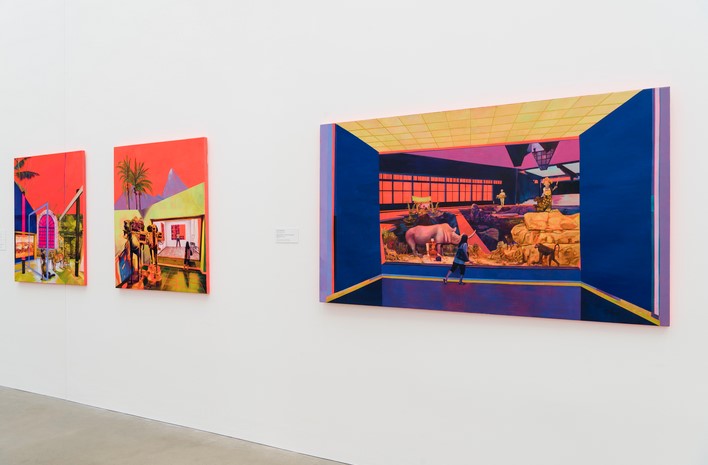
Source:https://www.datocms-assets.com
Art has always been a powerful medium for storytelling, expression, and cultural dialogue. Cultural art shows play a pivotal role in showcasing the vibrancy of a society’s history, values, and artistic evolution. These events bring together diverse forms of art—ranging from traditional paintings and sculptures to contemporary installations and performances—that reflect the soul of a community or nation. They serve as both a platform for artists to express their unique visions and a space for audiences to connect with different cultures, explore new ideas, and gain insights into the human experience. In this article, we will delve into the significance of cultural art shows, explore notable global events, and examine how these exhibitions inspire both artists and viewers alike.
1. The Role of Cultural Art Shows in Society
Cultural art shows are more than just exhibitions; they are powerful vehicles for preserving traditions, igniting creativity, and fostering intercultural dialogue. Through these events, artists can communicate their stories, struggles, and hopes, while audiences have the opportunity to engage with diverse artistic expressions that might otherwise be inaccessible.
a. Preserving and Celebrating Cultural Heritage
One of the primary functions of cultural art shows is to preserve and celebrate the artistic traditions of different societies. Many of these shows focus on indigenous, folk, or historical art forms that might be at risk of disappearing in the modern world. For example, traditional textile art, pottery, or dance performances that are showcased in these events help safeguard the skills and knowledge passed down through generations.
These exhibitions not only celebrate the art itself but also the cultures that produce it. For instance, festivals that feature Aboriginal art in Australia or Native American crafts in the United States offer an opportunity for both the artists and the public to reflect on the significance of these practices in today’s world.
b. A Platform for Contemporary Expression
Cultural art shows are not just about showcasing the past. They also serve as a platform for contemporary artists to share their modern interpretations of culture, identity, and societal issues. In fact, many of the world’s most important cultural art shows today focus on contemporary art, blending traditional forms with new media, technology, and cross-disciplinary practices.
Art shows like the Venice Biennale, one of the most prestigious international contemporary art events, demonstrate how art can be used to reflect and question the socio-political landscape of our time. These platforms allow for diverse, global perspectives to collide, enabling artists to challenge conventions and encourage dialogue about urgent issues, such as climate change, migration, and social justice.
c. Fostering Global Connections and Dialogue
By bringing together artists from around the world, cultural art shows foster cross-cultural understanding and collaboration. Visitors to these exhibitions are often exposed to new ideas and ways of thinking, breaking down cultural barriers and building empathy. In this way, art can transcend language and geographical boundaries, providing a universal platform for connection.
Furthermore, these events offer an opportunity for artists from different backgrounds to meet and collaborate, creating a space for mutual learning and creative exchange. This aspect of cultural exchange can have a lasting impact on the global art scene, influencing new trends and ideas that shape the future of art.
2. Iconic Cultural Art Shows Around the World
There are numerous cultural art shows that stand out for their significance, scale, and ability to inspire both artists and visitors alike. These events often have a long history, drawing attention to unique cultural aspects while also pushing the boundaries of what art can be. Here are some of the most notable:
a. Venice Biennale (Italy)
The Venice Biennale is one of the most prestigious cultural art shows in the world, offering a biennial exhibition of contemporary art, architecture, film, dance, and theatre. First held in 1895, this international event brings together artists, curators, and audiences from all corners of the globe.
The Venice Biennale is an important platform for contemporary artists to showcase their work, often pushing the envelope in terms of political, social, and environmental commentary. The event’s pavilions represent a wide array of countries, each contributing to a dynamic exchange of ideas. This diverse and inclusive nature of the Biennale has solidified its place as one of the most influential art events in the world.
b. Art Basel (Switzerland, Miami, Hong Kong)
Art Basel is another major international art show that takes place in multiple locations: Basel, Switzerland; Miami, USA; and Hong Kong. Founded in 1970, Art Basel has grown to become one of the largest and most prestigious contemporary art fairs in the world. It is a gathering place for leading galleries, collectors, curators, and artists from all over the world.
Art Basel is a key event for the global contemporary art market, showcasing groundbreaking art from established and emerging artists. The fair is known for its commitment to cutting-edge work and for its focus on innovative forms of art, including new media and digital art.
c. The Melbourne International Arts Festival (Australia)
Held annually, the Melbourne International Arts Festival is one of the most important cultural art shows in the Southern Hemisphere. The festival brings together a wide array of artistic disciplines, including theatre, visual arts, music, and dance. It features performances and exhibitions from local and international artists, with a focus on celebrating diversity and contemporary cultural expressions.
The festival is also an opportunity for public engagement, with many events free to attend and open to all. By providing access to art in public spaces, the Melbourne Festival helps break down the barriers between the artist and the community, fostering a deeper understanding of the role that art plays in society.
d. The Cairo Opera House (Egypt)
For those interested in experiencing art in a more traditional setting, the Cairo Opera House is one of the most renowned venues for cultural art shows in the Arab world. Located in the heart of Egypt’s capital, the Opera House hosts a wide range of events, from classical music performances and ballet to contemporary theater and visual art exhibitions.
The Cairo Opera House is a hub for cultural exchange in the Arab world and has played a pivotal role in preserving and promoting traditional Middle Eastern music, dance, and visual art. It is an important space for both local artists and international performers, bringing global attention to the artistic heritage of the region.
e. The Dakar Biennale (Senegal)
The Dakar Biennale is one of Africa’s most significant cultural art shows. Held every two years in Senegal’s capital, Dakar, the event showcases contemporary African art in all its forms. What makes the Dakar Biennale unique is its emphasis on African artists and its mission to promote cultural diversity, heritage, and the power of art as a vehicle for social change.
The biennale encourages artists to explore themes such as post-colonial identity, migration, and global inequalities, offering a platform for African voices to be heard on a global stage. It also serves as a cultural meeting point for African artists, curators, and audiences to discuss the future of African art.
3. How Cultural Art Shows Inspire and Impact Audiences
Cultural art shows not only inspire the artists who participate but also have a profound impact on the audiences who visit them. These shows offer an opportunity for reflection, understanding, and emotional connection, helping individuals see the world through the eyes of the artist. Here’s how:
a. Broadening Perspectives
Attending cultural art shows exposes audiences to different cultures, histories, and worldviews. The diversity of artwork—from traditional crafts to contemporary installations—encourages visitors to think critically about their own cultural identities and the global community. Art is often a reflection of a society’s values, struggles, and aspirations, and by experiencing these works firsthand, viewers can gain insight into issues they might otherwise be unfamiliar with.
b. Encouraging Emotional Connection
Art has the power to evoke strong emotional responses. Whether through a powerful painting, an evocative sculpture, or a stirring dance performance, cultural art shows allow people to connect with emotions that transcend language and borders. For many, this emotional connection can lead to a deeper appreciation of the artist’s message and the culture it represents.
c. Sparking Social Change
Many cultural art shows feature works that address pressing social issues, such as poverty, human rights, and environmental sustainability. By showcasing these topics in powerful, often thought-provoking ways, these exhibitions can inspire audiences to take action and become more engaged in their communities and the world at large.
Cultural art shows are not just an opportunity to view beautiful works of art; they are powerful platforms for dialogue, exchange, and inspiration. Whether through the historical lens of traditional artworks or the bold statements of contemporary pieces, these exhibitions allow both artists and audiences to explore cultural identities, societal issues, and universal themes. From the Venice Biennale to the Dakar Biennale, these events highlight the diverse ways in which art can reflect and shape the world around us. As we continue to witness the transformation of global art scenes, one thing remains clear—cultural art shows will continue to inspire, challenge, and unite people for generations to come.