Give & Grow: Volunteer Teaching Abroad Experiences
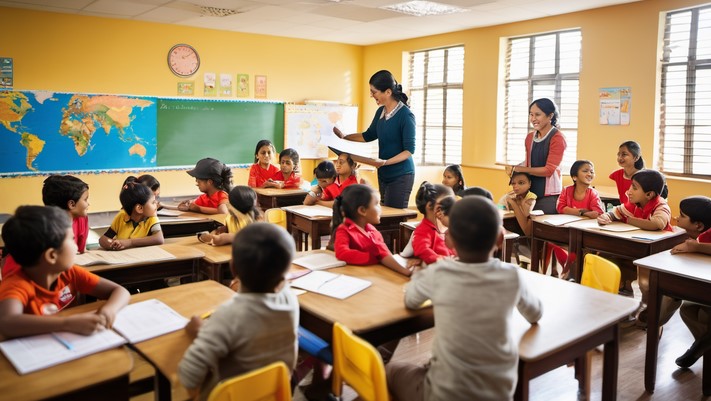 For many, the idea of volunteer teaching abroad is a life-changing experience that offers not only the chance to make a meaningful impact but also to grow personally and professionally. Volunteering as a teacher in a foreign country can be one of the most rewarding ways to contribute to a community, gain new skills, and experience a culture from the inside out. This article explores the benefits of volunteer teaching abroad, the challenges you might face, and how these experiences can help shape both your life and the lives of the students you teach. Whether you’re a recent graduate, a seasoned professional, or simply someone looking to give back, teaching abroad can open doors to both personal development and global citizenship.
1. Why Volunteer Teaching Abroad?
The appeal of volunteer teaching abroad lies in the unique opportunity to make a lasting difference in the lives of students while immersing yourself in a new culture. It’s not just about teaching English or academic subjects; it’s about fostering a sense of community, empowerment, and mutual understanding. Volunteers become more than just teachers—they become mentors, role models, and friends to the communities they serve.
a. Impact on Students
Many of the regions that host volunteer teaching abroad programs lack sufficient educational resources, trained teachers, or access to quality learning materials. Volunteer teachers help bridge these gaps, ensuring that students in underserved communities receive the education they deserve. Whether it’s teaching English, mathematics, or science, volunteers help to open doors for students, providing them with the skills and knowledge they need to improve their future prospects.
In addition to academic learning, teaching abroad allows volunteers to impart life skills such as critical thinking, problem-solving, and communication. These skills can go a long way in helping students navigate challenges in both their personal and professional lives.
b. Personal and Professional Growth
While the work itself is deeply impactful, volunteer teaching abroad also provides invaluable opportunities for personal and professional growth. Volunteers often return from these experiences with enhanced communication skills, a deeper cultural understanding, and a greater sense of global citizenship. By stepping out of your comfort zone and adapting to new environments, you learn resilience, flexibility, and how to work effectively with people from diverse backgrounds.
Additionally, teaching abroad can be a significant boost to your professional career. It demonstrates initiative, adaptability, and a commitment to community service—qualities that employers value highly. The experience can also help you build a strong network, whether through connections made with fellow volunteers, local colleagues, or students.
c. Immersion in New Cultures
One of the most appealing aspects of volunteer teaching abroad is the opportunity for cultural immersion. Living and working in a foreign country allows you to engage with local traditions, language, and customs in ways that traditional tourism doesn’t. This level of immersion provides a deeper understanding of global issues such as education, inequality, and community development.
Furthermore, it encourages personal growth through the challenges and rewards of navigating a new environment. Learning a new language, adapting to different teaching methods, and discovering local foods and traditions are all part of the experience, helping you broaden your perspective on the world.
2. Popular Destinations for Volunteer Teaching Abroad
While volunteer teaching opportunities are available worldwide, certain regions have developed strong programs that are both structured and rewarding. The following destinations offer diverse opportunities for volunteers to make an impact while enjoying unique cultural experiences.
a. Southeast Asia: Thailand, Cambodia, Vietnam
Southeast Asia is home to some of the most popular volunteer teaching abroad destinations. Countries like Thailand, Cambodia, and Vietnam have a growing demand for English teachers, particularly in rural areas where educational resources are limited. Volunteers typically teach English in schools or community centers, helping students improve their language skills in preparation for better job opportunities and a brighter future.
In countries like Thailand, there are also opportunities to teach in Buddhist monasteries, where students learn English as part of their religious and cultural education. Volunteers can experience a deeper cultural connection by living and working within these spiritual communities.
b. Latin America: Guatemala, Costa Rica, Peru
In Latin America, there is a high demand for English teachers as many students seek to improve their language skills to access better employment opportunities. Countries like Guatemala, Costa Rica, and Peru offer immersive volunteer teaching experiences that allow you to work in local schools, orphanages, or community programs.
In Guatemala, volunteers often teach English as a second language to children in rural communities who may not have the opportunity to attend formal schools. In Costa Rica, there are opportunities to teach in both public and private schools, while also experiencing the country’s natural beauty through its lush rainforests and coastlines.
Peru, with its rich cultural heritage and stunning landscapes, is another great destination for volunteer teaching. Volunteers often work in remote regions where education is limited and provide valuable teaching resources to help empower local communities.
c. Africa: Ghana, Kenya, South Africa
Many African countries are in need of qualified teachers to help address educational gaps and improve literacy rates. Volunteer teaching abroad in countries like Ghana, Kenya, and South Africa allows volunteers to work in both urban and rural schools, often focusing on subjects such as English, mathematics, and science.
In Ghana, the demand for English teachers is high, as English is the official language of instruction, but many students struggle with fluency. Volunteers in Kenya can work in underfunded schools, helping to teach and mentor students while learning about the challenges of the Kenyan education system. South Africa, with its diverse cultures and languages, offers opportunities for volunteers to help improve educational outcomes in disadvantaged communities.
d. Eastern Europe: Romania, Ukraine, Georgia
Eastern Europe is an increasingly popular destination for volunteer teaching abroad, particularly in countries like Romania, Ukraine, and Georgia. While the need for English teachers is high in these countries, volunteers can also teach other subjects, including science, math, and technology. Romania, with its rich history and culture, offers volunteers the chance to live in charming villages while teaching in schools that need support. Similarly, Georgia offers a welcoming environment for volunteers, with opportunities to teach in both urban and rural areas.
These countries provide volunteers with the chance to make a significant impact in schools where education systems are still developing and resources are limited. In return, volunteers gain a deeper understanding of Eastern European history and culture.
3. Preparing for Volunteer Teaching Abroad
Before embarking on a volunteer teaching abroad experience, it’s essential to prepare both logistically and mentally. Here are a few key considerations to ensure that your trip is successful and fulfilling:
a. Research the Program and Destination
Different volunteer programs have different structures, expectations, and levels of support. It’s important to thoroughly research the program you’re interested in, including the specifics of the teaching role, accommodation, and the overall impact of the project. Understanding the cultural and educational context of your destination will also help you adapt more effectively once you arrive.
b. Language Skills and Cultural Sensitivity
In many volunteer teaching abroad programs, knowing the local language can be incredibly beneficial, especially in rural or less developed areas. While many programs focus on teaching English, learning basic phrases in the local language will help you connect more meaningfully with students and the local community.
Cultural sensitivity is also crucial. Be prepared for differences in teaching styles, educational standards, and daily life. Show respect for local traditions, beliefs, and customs, and approach your role as a teacher with humility and an open mind.
c. Understand the Financial and Logistical Considerations
Some volunteer teaching abroad programs offer free accommodation, meals, and even a stipend, while others may require volunteers to cover their expenses. Ensure that you understand all financial requirements and plan accordingly. Also, look into visa requirements, insurance, and health precautions specific to the country you’ll be working in.
d. Embrace the Challenges
Volunteer teaching abroad can be an incredibly rewarding experience, but it can also come with its share of challenges. Limited resources, language barriers, and unfamiliar educational systems may require flexibility and creativity. Be prepared for setbacks and remain patient as you adjust to your new environment.
Volunteer teaching abroad offers a powerful way to give back to communities while gaining invaluable life experiences. By teaching in underserved regions around the world, volunteers contribute to the global effort to improve education, empower students, and create a more connected world. These experiences provide not only the chance to teach but also an opportunity for personal growth, cultural exchange, and global citizenship. Whether you’re teaching in the jungles of Costa Rica, the villages of Ghana, or the bustling cities of Eastern Europe, volunteer teaching abroad is a transformative adventure that can change both your life and the lives of those you teach.