Into the Woods: Mountain Forest Treks for Outdoor Enthusiasts
Source:https://media.istockphoto.com
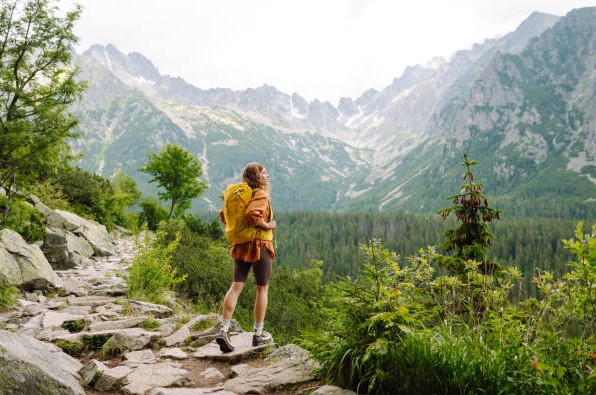
For outdoor enthusiasts, few experiences are as rewarding as mountain forest treks. These adventures combine the thrill of hiking with the serenity of nature, offering trekkers the chance to explore towering trees, lush foliage, and awe-inspiring mountain landscapes. Whether you’re an experienced hiker or someone looking to reconnect with nature, mountain forest treks provide an opportunity to challenge yourself physically while immersing yourself in the tranquility of remote wilderness. In this article, we will delve into the benefits of embarking on mountain forest treks, highlight some of the world’s most iconic treks, and explore the key considerations to ensure you’re prepared for a safe and memorable adventure.
1. The Appeal of Mountain Forest Treks
Mountain forest treks are uniquely captivating because they offer both the thrill of outdoor adventure and the peacefulness that comes with being deep in nature. The dense woods and towering peaks provide a sense of escape from the hustle and bustle of modern life, allowing hikers to slow down and enjoy the simple beauty of the natural world.
a. A Journey Through Nature’s Beauty
What sets mountain forest treks apart from other hiking routes is the distinct combination of natural elements they offer. While you may be trekking at high altitudes with breathtaking mountain views, the forest provides a sense of intimacy with nature. The trees, often centuries-old, form a canopy that envelops the trail, casting dappled sunlight on the ground and creating an atmosphere that feels both magical and rejuvenating.
These treks often feature a variety of landscapes, from cascading waterfalls to rocky ridges, providing a dynamic environment that changes as you ascend higher into the mountains. As you move through the forest, you may encounter wildlife, pristine rivers, and tranquil lakes—elements that make each step along the trail unique.
b. Physical and Mental Benefits
Hiking through mountain forests offers significant physical benefits. The varied terrain of these treks—often including steep inclines, uneven ground, and rugged paths—provides a full-body workout, improving cardiovascular fitness, strength, and endurance. The high-altitude climbs and challenging ascents also give trekkers an opportunity to push their limits, resulting in a sense of accomplishment and personal growth.
On a mental level, mountain forest treks offer a form of mental reset. Spending time in nature has been shown to reduce stress, enhance creativity, and improve mood. The peacefulness of the forest, combined with the physical activity, can help clear your mind and provide a much-needed break from daily life.
c. Connection to Ancient Traditions and Cultures
Many mountain forest treks take you through landscapes that have deep cultural or historical significance. Forests in the mountains have long been places of reverence, sacredness, and community for indigenous peoples. Whether it’s the ancient groves of the Himalayas, the dense rainforests of Costa Rica, or the rugged woodlands of the Appalachian Mountains, these trails often carry stories of human interaction with nature that date back thousands of years.
For some trekkers, part of the appeal of these forested journeys lies in learning about the people who have lived alongside these forests for generations. Local guides may offer insights into the traditions, beliefs, and stories that are tied to the land, giving trekkers a deeper understanding of the environment they are traversing.
2. Iconic Mountain Forest Treks Around the World
From dense jungles to temperate woodlands, mountain forest treks can be found all over the globe. Here are a few of the most renowned trails that offer spectacular scenery, challenging hikes, and rich cultural experiences.
a. The Inca Trail (Peru)
One of the most famous trekking routes in the world, the Inca Trail takes adventurers through the Sacred Valley and into the heart of the Andes. This ancient pathway, which was once used by the Incas for religious and ceremonial purposes, weaves through stunning mountain forests, providing trekkers with views of breathtaking landscapes and ruins along the way.
The trek culminates at the iconic Machu Picchu, a 15th-century Inca site perched high in the mountains. The dense cloud forests, rich biodiversity, and sweeping mountain views make this trail a perfect blend of natural beauty and historical significance. However, the high altitude and steep inclines require physical preparation, making it a trek for seasoned hikers or those willing to train before setting off.
b. The Appalachian Trail (United States)
Stretching from Georgia to Maine, the Appalachian Trail is one of the longest and most iconic mountain forest treks in the world. It traverses the Appalachian Mountains, weaving through temperate forests, rolling hills, and dramatic ridges. The trail is known for its biodiversity, with hikers encountering an impressive variety of flora and fauna as they make their way through the woodlands.
The Appalachian Trail is unique in that it offers different trekking experiences depending on the region you explore. In the southern sections, hikers pass through dense forests filled with oak, pine, and maple trees. As you head north, the forest canopy changes to include firs and spruces, and the terrain becomes more rugged. The length of the trail, combined with its varying landscapes, offers something for everyone—from weekend trekkers to those attempting the full hike.
c. The Great Smoky Mountains (United States)
Straddling the border between North Carolina and Tennessee, the Great Smoky Mountains offer a network of mountain forest treks that are perfect for outdoor enthusiasts. Known for its lush vegetation and mist-covered peaks, this region is one of the most biologically diverse areas in the United States. Hikers will find themselves wandering through dense oak and pine forests, with opportunities to spot wildlife such as black bears, deer, and wild turkeys.
The Appalachian Trail also passes through the Great Smoky Mountains, but there are several other shorter hikes in the area that provide equally spectacular views. Popular trails include the Alum Cave Bluffs Trail and the Chimney Tops Trail, both of which offer breathtaking vistas and a chance to explore the unique forested environment of the Smokies.
d. The Black Forest (Germany)
The Black Forest in southwestern Germany is a region steeped in folklore and natural beauty. Known for its dense coniferous forests, rolling hills, and picturesque villages, this area offers a number of excellent mountain forest treks. Trekkers can explore well-marked trails that lead through ancient woodlands, past serene lakes, and to mountaintop views overlooking the German countryside.
The Black Forest is also home to a rich cultural heritage, and trekkers may encounter charming villages, traditional farmhouses, and medieval castles along the way. The region’s mild climate makes it an ideal destination for year-round hiking, and there are routes suitable for all levels of hikers—from easy strolls to more challenging treks.
3. How to Prepare for Mountain Forest Treks
Preparing for a mountain forest trek involves more than just choosing the right trail. Whether you’re embarking on a short day hike or a multi-day expedition, ensuring that you’re physically and mentally prepared is essential for a safe and enjoyable experience.
a. Physical Preparation
Mountain forest treks often require a higher level of fitness than standard hikes. The terrain can be steep, rocky, and uneven, and the altitude may add an additional challenge. Preparing for these treks involves strengthening your legs, core, and cardiovascular system, as well as practicing hiking on similar terrain.
If you’re new to hiking, it’s recommended to start with shorter, less strenuous hikes to build up endurance and comfort before tackling a more challenging trek. Regular cardio exercises, such as running or cycling, and leg strength workouts, like lunges and squats, can be beneficial.
b. Gear and Packing Essentials
Having the right gear is critical for a successful mountain forest trek. Essentials include:
- Sturdy hiking boots: A good pair of boots will provide ankle support and prevent injuries on rocky or uneven terrain.
- Layered clothing: Weather in the mountains can be unpredictable. Dress in layers so you can adjust to changing temperatures.
- Water and snacks: Staying hydrated and energized is key, especially on longer treks. Pack enough water and high-energy snacks like trail mix or energy bars.
- Navigation tools: While many popular treks are well-marked, it’s always wise to carry a map, compass, or GPS device to ensure you stay on course.
- Rain gear: The weather in forested mountain regions can change quickly, so it’s important to be prepared for rain or sudden drops in temperature.
c. Understand the Environment
Each mountain forest trek has its own unique ecosystem, so it’s important to learn about the flora, fauna, and weather patterns of the region you’ll be trekking in. Understanding the environment not only enhances your experience but also helps you stay safe.
Mountain forest treks are a perfect way to combine physical activity with the joy of connecting to nature. These treks offer both challenging landscapes and peaceful, immersive environments, making them an ideal choice for outdoor enthusiasts. Whether you’re trekking through the dense forests of the Appalachian Mountains, exploring the ancient Inca Trail, or wandering through Europe’s Black Forest, these experiences allow you to rediscover the natural world in a way few other adventures can provide. So, lace up your boots, pack your gear, and get ready to embrace the beauty and adventure of mountain forest treks—an experience you won’t soon forget.