Learn on Snow: Winter Ski Schools Worldwide
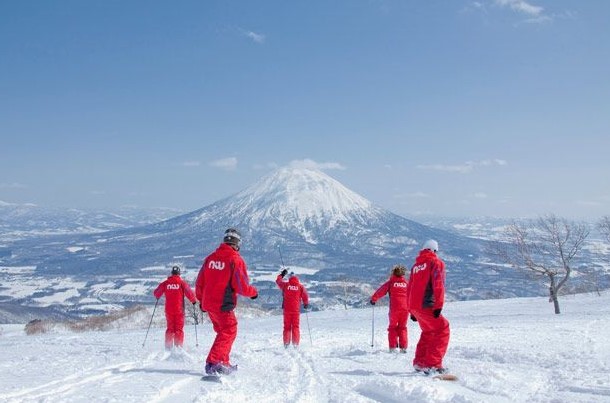
Source:https://assets.cntraveller.in
You are standing at the top of a glittering, snow-covered ridge, looking down a slope that suddenly feels three times steeper than it did from the ski lift. Your rented boots are pinching your shins, your skis are splaying outward like a panicked newborn deer, and a five-year-old child wearing a cartoon helmet just zips past you backward without a care in the world. Fear spikes, your knees lock up, and you realize you have absolutely no idea how to safely stop your downward momentum.
Over my ten years of chasing winter powder across global mountain ranges, I have seen this exact mixture of terror and frustration on the faces of countless travelers. Skiing and snowboarding are incredibly rewarding sports, but they are also deeply counter-intuitive. Trying to teach yourself on an active alpine run is a fast track to bruises, a ruined vacation, or worse—a costly visit to the resort’s medical clinic.
That is where professional winter ski schools come in. Investing in structured, expert instruction isn’t an admission of weakness; it is a highly strategic shortcut to building proper biomechanical habits, mastering slope logistics, and unlocking the true freedom of the mountains. Let’s dive deep into the mechanics of alpine instruction, evaluate the world’s finest snow academies, and learn how to maximize your progression from a shaky beginner to a confident intermediate cruiser.
The Biomechanics of the Slope: Why Professional Instruction Matters
To understand why self-teaching fails, think of learning to ski like learning to fly a small airplane. If you simply pull back on the controls without understanding aerodynamics, you will stall. On the snow, your natural human instinct is to lean backward away from the scary downhill slope—but doing this actually forces your skis to accelerate out from under you, completely destroying your steering control.
The Science of Edge Control and Center of Mass
A certified instructor at premier winter ski schools teaches you to fight your instincts through physics. They train you to shift your center of mass forward, forcing your shins directly against the tongues of your ski boots.
This forward lean transfers your body weight to the shovels (the wide front tips) of your skis, allowing your steel edges to slice into the snow pack rather than skidding across it. Whether you are mastering the basic snowplow wedge (gliding with your tips close together) or transitioning to clean parallel turns (keeping your skis perfectly tracking side-by-side), having an expert analyze your body alignment prevents you from locking in bad habits that will stall your progression later.
Group Lessons vs. Private Coaching: The Efficiency Trade-off
When booking your mountain itinerary, you will face a stark logistical choice:
-
Group Lessons: Excellent for budget conscious beginners. They offer a highly social environment, built-in rest periods while peers take turns, and a lower financial barrier to entry.
-
Private Guiding / Coaching: The ultimate accelerator. A private instructor acts as a real-time biomechanical mirror, tailoring feedback instantly to your unique physical strengths, fears, and learning pace. While significantly more expensive up front, one day of private coaching often yields the same technical progression as three days in a crowded group setting.
Premier Winter Ski Schools: Global Centers of Excellence
While almost every major ski resort offers some form of instruction, certain alpine destinations feature highly specialized snow academies with internationally recognized teaching frameworks.
+--------------------+------------------------------------+------------------------------------+
| Mountain Region    | Instructional Framework            | Best Suited For                    |
+--------------------+------------------------------------+------------------------------------+
| Chamonix / Megeve, | ESF (Ecole du Ski Français)        | Intermediate skiers looking to     |
| French Alps        | Strict technical progression       | tackle steep, icy terrain          |
+--------------------+------------------------------------+------------------------------------+
| Niseko Grand       | International Snowsports Schools   | Powder snow techniques and deep    |
| Hirafu, Japan      | Multi-lingual progression tracks   | drift balance control              |
+--------------------+------------------------------------+------------------------------------+
| Vail / Whistler,   | PSIA-AASI Certified Academies      | Complete beginners wanting a highly|
| North America      | Customer-centric, milestone system | encouraging, structural approach   |
+--------------------+------------------------------------+------------------------------------+
1. The French Alps: Preserving the Classical Edge
The French ski school system, dominated by the iconic red-jacketed instructors of the ESF (Ecole du Ski Français), treats alpine skiing like a formal classical art. Their teaching methodology is highly structured and technical. If you are an intermediate skier who can navigate basic groomed trails but struggles with ice, steep European vertical drops, or changing snow crusts, a week in a French alpine academy will completely rebuild your edge-to-edge weight transitions.
2. Niseko, Japan: Mastering the Deep Powder
If your winter dreams involve skiing through waist-deep, ultra-light volcanic powder snow, you need a completely different technical toolkit. Traditional ski techniques will cause your tips to dive straight into deep snow, leading to an immediate tumble.
The international winter ski schools in Hokkaido specialize in teaching powder flotation. They train you to maintain an even, centered weight distribution across both feet and use subtle heel pressure to let your skis float through the snow drift like a surfboard riding an ocean wave.
Technical Gear Allocation: Arriving Prepared for Your Lesson
Your success on the snow depends heavily on the state of your equipment. Showing up to a professional lesson with poorly fitting gear is like trying to run a marathon in flip-flops.
1. Deciphering the Rental Boot Paradox
The most critical piece of equipment is not your skis; it is your boots. Ski boots are the steering wheel of your setup. If your foot can slide around inside the boot, your physical movements will not transfer to your ski edges, forcing you to use excessive, exhausting muscle power to turn.
The Professional Boot Fit Rule: When standing completely upright in a properly buckled ski boot, your toes should firmly brush the absolute front wall of the liner. When you bend your knees and press your shins forward into a skiing stance, your toes should pull back slightly, freeing up just enough breathing room. Always wear exactly one pair of technical, moisture-wicking ski socks—layering multiple everyday cotton socks traps sweat, cuts off blood circulation, and guarantees freezing feet.
2. Matching Ski Flex and Length to Your Ability
Do not let a rental shop hand you long, stiff, professional-grade racing skis because they look sleek. High-performance skis require immense speed and physical leg power to flex and turn. As a beginner or progressing intermediate, request soft-flexing, composite-core skis that are cut shorter—ideally measuring between your chest and chin height. Shorter, softer skis have a tighter turning radius, making them vastly more forgiving as you practice your weight transfers.
     💡 PRO-TIP FOR MOUNTAIN BEGINNERS:
     When booking winter ski schools, always coordinate your lesson start times with
     the mountain's daily groomer schedule. Aim for the first morning lesson block
     (usually 9:00 AM). The snow at this hour is "corduroy"—perfectly flat, predictable,
     machine-groomed snow that offers consistent edge grip. By afternoon, high skier
     traffic turns the slopes into chopped-up piles of heavy snow (crud), which is vastly
     harder for unconditioned muscles to navigate.
Hidden Warnings: Avoiding the Mountain Pitfalls
Beware the Lift Ticket Illusion
A common mistake made by beginners is assuming that booking a ski lesson automatically includes access to the mountain’s lift system. This is rarely the case. Many travelers show up for their morning class assembly only to be sent to the back of a 45-minute ticket window queue to buy a separate lift pass. Always check if your school package explicitly bundles the lift ticket, or purchase your passes online days in advance to ensure you don’t miss valuable instruction time.
The Myth of “Skiing Yourself into Fitness”
Skiing utilizes highly specific muscle groups—particularly your quadriceps, glutes, and core stabilizer muscles—in a continuous isometric contraction. If you arrive at a mountain resort straight from a sedentary desk job, your muscles will experience severe fatigue by day two, dramatically increasing your risk of injury.
Spend the four weeks leading up to your ski holiday performing targeted leg conditioning exercises like bodyweight squats, lunges, and wall-sits to build the baseline endurance your body needs.
     ⚠️ THE HIDDEN WARNING: INDEPENDENT "UNDERGROUND" INSTRUCTORS
     In many popular ski hubs, you will see uncertified individuals offering cheap,
     independent private lessons via social media or online classifieds. Do not hire them.
     Legitimate winter ski schools carry expensive commercial liability insurance and hold
     official mountain operating permits. If an uninsured, illegal instructor injures you
     or causes an accident on the slopes, your personal travel insurance policy will
     likely be voided, leaving you fully liable for massive medical and rescue costs.
Claim Your Winter Freedom
Stepping onto the snow for the first time can be an intimidating, humbling experience, but it doesn’t have to be an exhausting struggle. By bypassing the self-taught trial-and-error method, enrolling in a certified academy, and prioritizing properly fitted gear, you convert the learning process into an empowering, thrilling winter journey. The cold mountain air, the pristine alpine views, and the pure exhilaration of making your very first clean, carved turn are waiting for you.
Are you getting ready to hit the beginner slopes for the very first time this winter, or are you an intermediate cruiser looking to conquer your very first black-diamond run? Drop your gear questions or your dream winter destinations in the comments below, and let’s get you ready to slide!