Ride with Huskies: Winter Sledding Tours for Adventurers
November 25, 2026
No Comments
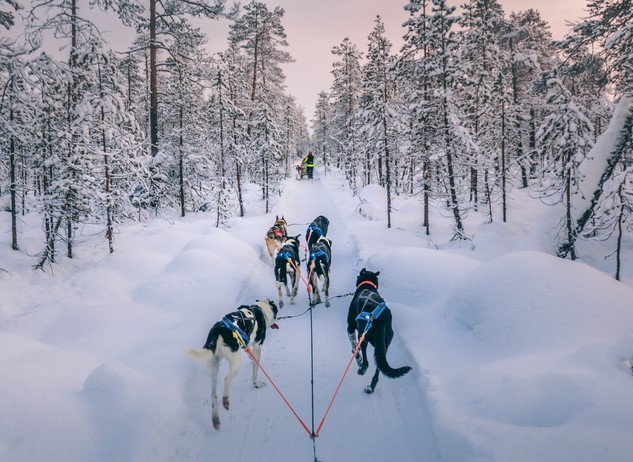
Source:https://cdn.inspiringvacations.com
The moment before six Alaskan Huskies sprint into a sub-zero Arctic trail is not quiet. It is a deafening frenzy of high-pitched howls, jumping dogs, and frantic harness strain.
Then, the musher lifts the metal claw brake off the hard-packed ice. Instantly, the barking stops completely. All six dogs drop their shoulders, dig their paws into the snow, and pull in unison with pure, silent focus. Within five seconds, you are gliding across a frozen wilderness at 25 kilometers per hour with only the sound of wooden runners slicing through fresh powder.
Over a decade of testing sub-zero expeditions—from the snowbound forests of Rovaniemi in Finnish Lapland to the remote fjords of Svalbard—I have seen hundreds of travelers underestimate what mushing actually demands. Most expect a passive joyride where they sit back under reindeer hides.
The reality? Driving your own team during authentic winter husky sledding expeditions is a physical team sport. You lean into sharp mountain turns, foot-brake downhill descents, and physically push the wooden sled uphill alongside your canine crew.
The Mechanics of a Husky Sled Team
To master a sledding expedition, you need to understand how a working dog team is structured. A standard six-dog line operates like a finely tuned motor, where every position serves a precise mechanical purpose.
Think of a dog team like a high-performance sports car:
-
The Lead Dogs (The Steering System): Positioned at the very front. These are the sharpest dogs in the kennel, taking vocal commands (Haw for left, Gee for right) from the musher without needing physical reins.
-
The Swing Dogs (The Transmission): Positioned directly behind the leaders. They help pivot the entire line around tight forest curves and maintain the team’s pace.
-
The Team Dogs (The Engine): Placed in the middle section. They provide raw, steady horsepower over long distance legs across deep snow.
-
The Wheel Dogs (The Brakes & Torque): Positioned right in front of the sled runners. These are the heaviest, strongest dogs responsible for popping the loaded sled loose from static ice friction and absorbing trail bumps.
Self-Drive vs. Guided Passenger Tours
Choosing between driving your own sled (musher status) or riding inside the wooden basket as a passenger changes the trip dynamic completely.
Self-Drive Sledding: For Active Adventurers
Steering a sled requires constant physical engagement and focus.
-
Hands-on Control: You stand on the flexible wooden runners, holding the handlebar continuously.
-
Weight Shifting: You must lean your body weight into curves to prevent the sled from tipping sideways on packed snow drifts.
-
Brake Management: You operate the foot brake—a metal bar with steel spikes that digs into the ice floor to prevent the dogs from over-speeding down steep inclines.
Guided Passenger Trips: For Comfort & Photography
Riding inside the canvas-wrapped sled basket lets you relax and observe the landscape.
-
Thermal Protection: Passengers sit nested inside insulated reindeer pelts and windproof blankets.
-
Low Physical Demand: Ideal for travelers with back issues, young families, or photographers who want to document the trail without holding handlebars.
-
Professional Handling: A seasoned guide stands on the rear runners to navigate tricky terrain and manage speed.
Comparing Sledding Options Across Key Destinations
Different Arctic regions offer distinct snow conditions, terrain challenges, and trail profiles:
| Destination | Typical Season | Terrain Type | Best For |
| Finnish Lapland (Rovaniemi / Levi) | Nov – April | Taiga pine forests & frozen lakes | Beginners & multi-activity winter trips |
| Tromsø, Norway | Dec – April | Coastal alpine fjords & mountain passes | Panoramic mountain scenery & Aurora views |
| Svalbard, Norway | Jan – May | Glacial valleys & high Arctic tundra | High-adventure expedition sledding |
| Interior Alaska (Fairbanks) | Oct – April | Rolling river trails & deep snow packs | Traditional long-distance mushing history |
Essential Gear Checklist for Sub-Zero Mushing
When standing on sled runners at -20°C (-4°F), windchill multiplies rapidly. Your gear layering system must withstand high speed while allowing full range of movement.
-
Windproof Thermal Outer Shell: Most commercial kennels provide heavy-duty insulated suits (thermal overalls). Always accept them—they shield against dog-kickback snow spray.
-
Mittens Over Gloves: Never wear five-finger gloves when driving a sled. Leather or canvas mittens keep your fingers together, preserving critical hand warmth while gripping the cold handlebars.
-
Goggles with Double-Vent Lenses: Windchill forces tears that freeze on eyelashes quickly. Tinted or yellow-contrast snow goggles protect your eyes from blowing snow particles.
-
Extreme-Cold Winter Boots: Choose boots rated down to -40°C with thick felt liners. Rubber soles must have aggressive treads to grip ice when stepping onto the foot brake.
4 Pro Tips to Master Your First Husky Run
1. Maintain Tension on the Towline
The golden rule of dog sledding is keeping line tension. When moving downhill, the sled moves faster than the running dogs. If you fail to step on the rubber drag mat or metal brake, the sled will bump the wheel dogs’ legs, causing injuries or line entanglements. Always drag your foot lightly on downhill slopes to keep the main rope taut.
2. Never Let Go of the Handlebar
If you lose your footing and fall off the sled on a trail, never release your hands from the bar. Huskies are built to run; if you let go, the team will keep running down the trail without you, leaving you stranded in deep wilderness snow.
3. Help Your Team on Steeper Upgrades
Huskies work hard for you, but heavy inclines demand team effort. When approaching a steep hill, keep one foot on the runner while using your other leg to kick-push the snow (skate-style), or run behind the sled while holding the handlebar to lighten the load for your dogs.
4. Respect Kennel Welfare Standards
Before booking winter husky sledding excursions, research the operator’s animal welfare practices. High-standard kennels maintain spacious outdoor runs, follow veterinary health check schedules, provide rest days between runs, and proudly showcase their retired senior dogs.
Hidden Warnings & Safety Protocols
The Static Brake Fallacy: Never step off a sled without setting the heavy snow anchor deeply into packed ice. When a dog team hears another sled start or senses excitement, they can yank a loose sled forward instantly—even while parked.
Frostbite Vulnerability on Thumb Joints: Gripping the handlebar tight in sub-zero wind restricts blood circulation in your thumbs. Flex your fingers inside your mittens periodically on open straightaways to maintain warm capillary flow.
A Journey Powered by Natural Energy
Few experiences connect you to northern wilderness history quite like driving a dog team. Out on the white trail, away from engines and mechanical noise, you rely entirely on mutual trust between human and canine. When you learn to balance, read the snow, and move in harmony with your team, you stop being just a traveler—you become part of the northern landscape.
Would you prefer steering your own husky team through the Arctic snow, or relaxing in the sled basket under warm hides? Let me know your pick and your winter questions in the comments below!