Road Less Taken: Budget Bus Adventures That Save Money
November 5, 2026
No Comments
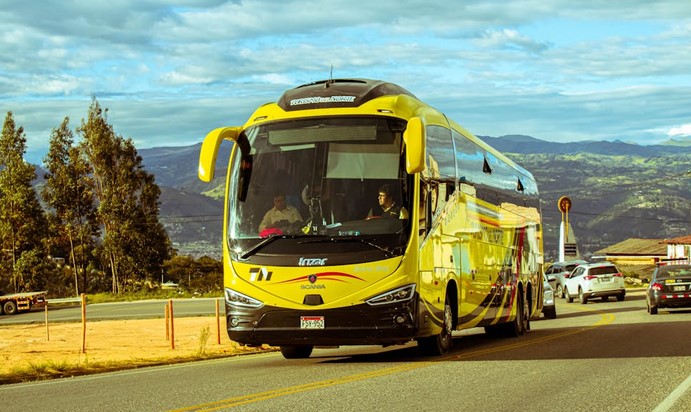
Source:https://www.valuesbustour.com
There is a precise moment around 2:15 AM on a long-distance night bus when the engine hits a steady, rhythmic hum, the cabin lighting dims to a soft indigo, and the realization lands: you are traveling across a continent for less than the cost of a airport taxi fare.
Over the past decade of continuous travel—from navigating double-decker express coaches across Patagonia to boarding sleek sleeper buses throughout Southeast Asia—I have watched budget travelers make the exact same mistake. They burn hundreds of dollars on regional short-haul flights, enduring rigid security checks and hidden baggage fees, completely overlooking ground transit.
Choosing long-distance motorcoach networks isn’t merely a compromise for tight wallets. It is an intentional, highly rewarding strategy. Executed correctly, budget bus adventures unlock massive financial savings while delivering an intimate, front-row seat to landscapes that high-altitude flights bypass entirely.
The True Economics of Overland Bus Travel
Why spend $180 on a 60-minute regional hop when a $25 bus ticket gets you to the exact same destination?
Think of air travel like a high-speed blender: it chops up your journey into stress-filled, fragmented segments. Bus travel functions more like a slow cooker. It allows the landscape to simmer gradually outside your window while keeping your daily travel expenses predictably low.
When calculating the real cost of a flight versus an overland route, most travelers forget hidden transit variables:
| Expense Category | Regional Flight | Budget Bus Express |
| Base Ticket Price | $120 – $250 | $15 – $40 |
| Airport / Station Transfers | $30 – $60 (Uber / Express Train) | $2 – $5 (Central City Bus / Metro) |
| Luggage & Seat Selection | $35 – $50 extra | Included free (1-2 checked bags) |
| Hotel Night Saved | $0 (Daytime movement) | $50 – $120 saved (Overnight sleeper) |
| Total Effective Cost | $185 – $360 | $17 – $45 |
By substituting just three night-bus legs for regional flights during a month-long trip, you instantly retain roughly $400 to $600 in your travel fund—capital better allocated toward immersive cultural experiences, local cuisine, or extending your trip duration.
Essential Gear for Long-Haul Comfort
Embarking on extended coach journeys requires tactical preparation. Unlike trains or planes, bus climate control and cabin seating vary widely. Packing the right cabin kit turns a grueling 10-hour transit into a restful retreat.
-
Inflatable Neck Pillow with Chin Support: Standard horseshoe pillows drop your head forward when seats recline modestly. Look for ergonomic memory foam or dual-valve inflatable models.
-
Active Noise-Canceling (ANC) Headphones: Essential for neutralizing low-frequency engine rumblings, roadside traffic chatter, and onboard media sound systems.
-
Layered Outerwear & Thermal Socks: Bus air conditioning operates under two settings: nonexistent or sub-zero. A compact fleece blanket or packable down jacket keeps cold drafts at bay.
-
Personal Power Bank (10,000mAh+): Never rely solely on seatback USB ports; older fleet vehicles often feature dead sockets or low-voltage charging outlets.
-
Compression Sacks for Essentials: Keep your main luggage in the lower cargo bay while stowing a small, organized pack beneath the seat in front of you.
4 Professional Strategies to Master Budget Bus Routes
1. Master the Golden Booking Window
Unlike airline tickets, which fluctuate unpredictably months in advance, intercity bus operators run on distinct yield-management algorithms. The sweet spot for booking regional bus passes is typically 7 to 14 days prior to departure.
Promotional fares (such as FlixBus €1 deals or Megabus $1 seats) drop when schedules open roughly 30 to 45 days early. However, standard tickets rarely spike significantly until 48 hours before the coach departs.
2. Leverage Local Aggregators Over Global Portals
While broad search engines aggregate high-level routes, they often charge convenience commissions and omit regional operators.
Always cross-reference aggregators with localized carrier sites:
-
Europe: Compare Omio with direct operator portals like FlixBus, RegioJet, or national services like Alsa (Spain).
-
Southeast Asia: Use 12Go.asia to identify routes, then book directly at local terminals for regional VIP sleeper buses (VIP 24 or VIP 32 configurations).
-
South America: Platforms like Busbud show routes, but purchasing at town terminals (Terminal de Ómnibus) yields sleeper options (Cama or Executivo) at lower rates.
3. Choose Seat Positioning Strategically
The physics of motorcoaches dictates ride quality:
-
Mid-Cabin (Axle Alignment): Provides the smoothest ride with minimal pitch and roll movements, ideal for travelers prone to motion sickness.
-
Upper Deck, Front Row: Delivers panoramic views, though it amplifies swaying on winding mountain roads.
-
Avoid the Final Row: Seats immediately adjacent to the engine bay experience elevated heat, persistent vibration, and proximity to onboard restrooms.
4. Optimize Overnight Sleeper Routes
Overnight sleeper buses are the undisputed secret weapon of budget travel. Modern layout configurations feature semi-flat recliners (Cama) or capsule-style sleeping berths (Lie-Flat Sleeper Pods).
Book coaches departing between 10:00 PM and 11:30 PM. This timing lets you board relaxed, sleep through the transit window, and step directly into your next destination at sunrise, effectively eliminating hotel check-in delays and overnight accommodation fees.
Hidden Warnings: Common Bus Travel Pitfalls
Even seasoned travelers face unexpected challenges on overland routes. Keep these critical warnings in mind:
The Border Crossing Bottleneck: On international bus routes, never schedule tight connection windows immediately following a land border. Immigration processing delays, customs baggage scans, and document queues can turn a 30-minute stop into a 3-hour delay. Always leave a 4-hour buffer before onward transit.
Station Safety & Midnight Arrivals: Central bus terminals (Station Routière / Terminal Terrestre) in major metropolitan centers can feel desolate after midnight. If your coach arrives between 1:00 AM and 5:00 AM, reserve a terminal seat in well-lit areas or pre-book a verified rideshare pickup inside the terminal gates.
Redefining How We Move
Overland bus journeys do more than keep bank accounts healthy. They restore a sense of geography that modern air travel has stripped away. You witness terrain shift from urban sprawl to agricultural valleys, watch coastal sunrises from high-altitude highway passes, and share spaces with locals going about their daily lives.
The next time you plan a trip, skip the airport scramble. Pick an overland route, secure a window seat, and experience how rewarding slow travel can be.
What is your absolute favorite overland bus route in the world, or what is holding you back from trying sleeper coaches? Let me know in the comments below—I’d love to swap travel stories!