Arctic Nights: Winter Igloo Stays for the Brave
November 10, 2026
No Comments
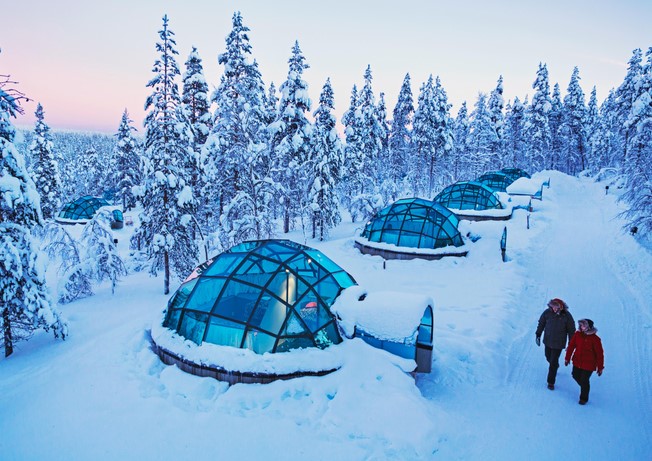
Source:https://cdn2.indagare.com
At 3:00 AM in the Finnish hinterlands, when the ambient temperature drops to -28°C (-18°F), the Arctic wilderness makes a sound most travelers never forget: absolute, ringing silence.
Standing outside a hand-carved snow dome, your breath freezes instantly on your scarf, and every star in the Northern Hemisphere looks close enough to touch. Then comes the real test—stepping away from the roaring bonfire and crawling into a shelter made entirely of frozen water to spend the night.
Over ten years of leading sub-zero expeditions across Scandinavian Lapland, Iceland, and Greenland, I have guided hundreds of travelers into sub-zero wilderness accommodation. The biggest myth I bust on day one? That sleeping in snow is an act of pure survival.
When approached with the right technical preparation, winter igloo stays offer one of the most serene, cozy, and profoundly transformative bucket-list adventures on Earth.
Glass vs. Snow: Choosing Your Igloo Adventure
Before booking your trip, you must understand that “igloo stays” split into two distinct categories: luxury glass domes and authentic hand-carved snow structures. Both offer incredible access to the Polar Night, but they cater to very different travel styles.
Glass Igloos: The Heated Panorama
Heated glass igloos are designed for travelers who prioritize high comfort alongside Arctic viewing.
-
Climate Control: Features electrically heated anti-frost glass panels that melt falling snow instantly to maintain clear skies overhead.
-
Amenities: Standard luxury hotel conveniences, including plush motorized beds, en-suite bathrooms, motorized curtains, and Wi-Fi.
-
Aurora Alerts: Integrated alarm systems wake guests the exact second sensors detect Northern Lights activity overhead.
Traditional Snow Igloos: The Authentic Wilderness Test
Authentic snow igloos are hand-carved domes constructed from densely packed snow blocks.
-
Natural Thermodynamics: Outside temperatures may plunge to -35°C, but inside a structural snow igloo, ambient air stabilizes between -3°C and -7°C (26°F to 20°F).
-
Acoustic Insulation: Dense snow walls absorb 100% of exterior sound, creating an impossibly quiet acoustic sanctuary.
-
Expedition Gear: You sleep on reindeer pelts and insulated foam mats, tucked inside expedition-rated down sleeping bags rated to -30°C.
The Physics of Snow Insulation: How You Stay Warm
To first-timers, sleeping inside blocks of ice sounds like a recipe for hypothermia. The secret lies in simple physics and air density.
Think of snow blocks like a double-glazed thermopane window. Fresh, packed snow is up to 90% trapped air pockets. Because still air is an exceptionally poor conductor of heat, these micro-chambers trap the ambient radiant body heat generated by your own body.
| Feature / Variable | Traditional Snow Igloo | Heated Glass Igloo |
| Interior Temperature | Constant -3°C to -7°C | Constant +20°C to +22°C |
| Acoustic Level | Absolute silence (< 15 dB) | Standard interior room noise |
| Best For | Adventure seekers & purists | Aurora hunters & romantic luxury |
| Required Clothing | Thermal baselayers & beanie | Standard indoor loungewear |
| Primary Highlight | Total sensory disconnect | Uninterrupted sky viewing |
As your body radiates heat overnight, the interior air warms up slightly, creating an insulating layer that prevents exterior sub-zero winds from penetrating the dome interior.
Essential Gear Checklist for a Sub-Zero Night
When spending a night inside a traditional snow structure, your gear strategy dictates whether you sleep soundly or shiver until dawn. Here is the exact system I require every guest to use:
-
Merino Wool Base Layers (200g/m² or higher): Never wear cotton. Merino wool wicks moisture away from skin while retaining thermal properties when damp.
-
Balaclava or Tight-Fitting Beanie: You lose a massive amount of body heat through your head. Keep it covered all night inside your mummy hood.
-
Double-Layered Wool Socks: Wear clean, dry socks reserved strictly for sleeping. Never sleep in the socks you wore during daytime activities.
-
High-R-Value Sleeping Pad: The snow beneath you drains heat 40 times faster than air. Ensure your mattress pad carries an R-value rating of 5.0 or higher.
-
Chemical Heat Packs: Slip toe-warmers into your socks and hand-warmers near your femoral artery inside the bag 15 minutes before crawling in.
4 Pro Tips for Mastering Your First Igloo Stay
1. The Dry-Body Protocol
The golden rule of Arctic survival is simple: sweat is your worst enemy. If you trek, haul gear, or jog to the igloo right before bed, your body will release moisture. Once you stop moving, that dampness cools rapidly, causing severe chill. Always change into fresh, bone-dry thermal base layers right before stepping into your sleeping bag.
2. Eat a High-Fat Snack Before Bed
Your body is an internal furnace that needs fuel to burn heat throughout an 8-hour sleep cycle. Consume a high-calorie, high-fat snack 30 minutes before bed—such as dark chocolate, nuts, or cheese—alongside a hot berry juice. This boosts your basal metabolic rate, keeping your core warmer naturally.
3. Keep Your Face Exposed Outside the Bag
It is tempting to pull your sleeping bag hood entirely over your head. Resist the urge! Breathing inside your sleeping bag traps warm moisture from your lungs, which quickly condenses and freezes the down insulation, destroying its thermal efficiency. Keep your nose and mouth exposed to the open air, protecting your forehead and neck with a balaclava.
4. Manage Electronics and Battery Life
Lithium-ion batteries drain rapidly when exposed to sub-zero temperatures. Keep your phone, camera batteries, and headlamps inside your sleeping bag near your chest heat zone. If left on the snow bedside table, your phone will freeze and discharge within two hours.
Hidden Warnings: What Nobody Tells You
The Midnight Restroom Reality: Traditional snow igloos do not have built-in plumbing for obvious structural reasons. Getting out of a warm sleeping bag at 2:00 AM into -5°C indoor air to walk to a heated main lodge facility takes real willpower. Plan your fluid intake carefully: hydrate heavily during the morning and afternoon, but stop drinking liquids 2 hours before bedtime.
Claustrophobia and Airflow: While snow domes feature dedicated ventilation shafts cut into the ceiling, the enclosed, windowless environment can feel tight for travelers prone to claustrophobia. If you feel uneasy in tight spaces, opt for a glass igloo resort instead, which offers vast spatial openness and expansive views.
Embracing the Frozen Frontier
Stepping outside your comfort zone into the heart of an Arctic winter is more than a vacation—it is a powerful recalibration of your relationship with nature. Whether you choose to watch the dance of the Green Lady from a luxury glass dome or challenge yourself inside a hand-built snow block shelter, an overnight Arctic stay changes how you experience winter forever.
Are you brave enough to spend a night tucked inside a hand-carved snow dome, or is a heated glass igloo more your speed? Let me know your pick—and your biggest winter travel questions—in the comments below!