Stay Green: Eco-Lodges in the Heart of Rainforests
Source:https://static.wixstatic.com
As environmental awareness reshapes the way people travel, accommodation choices are becoming as important as destinations themselves. Eco-lodge rainforest stays have emerged as a thoughtful alternative to conventional hotels, offering travelers the opportunity to experience immersive comfort while minimizing ecological impact. Nestled deep within lush forest environments, these lodges combine responsible design, local engagement, and nature-based experiences, redefining what it means to stay in harmony with the natural world.
What Defines an Eco-Lodge in a Rainforest Setting
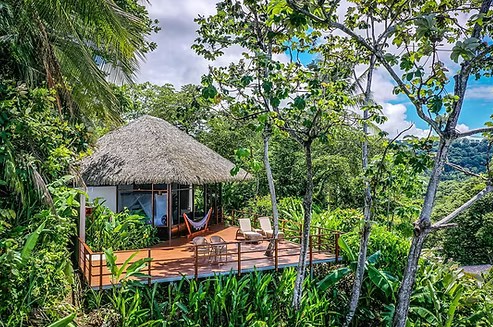
Eco-lodges are purpose-built accommodations designed to operate with minimal environmental disturbance while supporting conservation and community development. In rainforest settings, this approach is especially critical due to the ecological sensitivity and biodiversity of these regions. Unlike traditional resorts, eco-lodges emphasize low-impact construction, often using locally sourced, renewable materials that blend seamlessly into the surrounding landscape.
Energy efficiency is a defining feature. Many rainforest lodges rely on solar power, rainwater harvesting systems, and natural ventilation to reduce reliance on external resources. Waste management practices, including composting and recycling, are integrated into daily operations. These measures not only reduce environmental strain but also demonstrate practical sustainability models that guests can learn from and replicate elsewhere.
Beyond infrastructure, eco-lodges are distinguished by their philosophy. The goal is not to dominate the environment but to coexist with it. Buildings are often elevated to protect forest floors, lighting is minimized to reduce disruption to wildlife, and pathways are carefully planned to avoid damaging vegetation. The result is an accommodation experience that feels immersive rather than intrusive.
Experiential Travel Through Nature and Community
Staying in a rainforest eco-lodge offers more than a place to sleep; it provides a gateway to deeper engagement with nature and local culture. Guided walks, wildlife observation, and educational programs allow guests to explore the rainforest responsibly while gaining insight into its complex ecosystems. These activities are often led by trained local guides whose knowledge enriches the experience and supports community livelihoods.
Cultural connection is another key element. Many eco-lodges partner with nearby villages, incorporating local traditions, cuisine, and craftsmanship into the guest experience. Meals prepared using regional ingredients introduce travelers to traditional flavors, while workshops or demonstrations highlight artisanal skills passed down through generations. This integration fosters mutual respect and ensures that tourism benefits extend beyond the lodge itself.
From a traveler’s perspective, these experiences offer a sense of purpose and enrichment. Guests are not passive consumers but active participants in a broader conservation and cultural narrative. This engagement often leads to increased awareness of environmental issues and a more responsible approach to travel and daily life.
Balancing Comfort with Conservation
One of the common misconceptions about eco-lodges is that sustainability requires sacrificing comfort. In reality, modern rainforest eco-lodges demonstrate that environmental responsibility and guest satisfaction can coexist. Thoughtful design prioritizes natural cooling, scenic views, and tranquility, creating a sense of luxury rooted in simplicity.
Comfort in these settings is often defined by quality rather than excess. Spacious rooms, attentive service, and meaningful experiences replace conventional amenities such as air conditioning or large entertainment facilities. This shift encourages guests to appreciate the surrounding environment rather than retreat from it.
Operators also invest in staff training and community development, recognizing that human resources are as important as environmental measures. Well-trained staff enhance guest experiences while reinforcing the lodge’s sustainability mission. Transparent communication about conservation efforts helps guests understand the impact of their stay, strengthening trust and engagement.
The Broader Impact of Sustainable Rainforest Lodging
Eco-lodges play an important role in rainforest conservation by demonstrating the economic value of preservation. When forests generate income through responsible tourism, there is greater incentive to protect them from deforestation and exploitation. Lodges often contribute directly to conservation initiatives, such as wildlife monitoring or habitat restoration, further amplifying their positive impact.
These accommodations also influence broader tourism trends. As travelers experience the benefits of sustainable lodging, demand for similar practices grows across the industry. This shift encourages more operators to adopt environmentally and socially responsible models, gradually raising standards worldwide.
Looking ahead, innovation will continue to shape eco-lodge development. Advances in renewable energy, sustainable materials, and ecological design will enhance efficiency while further reducing environmental footprints. However, the core principle will remain unchanged: respect for nature and local communities.
In conclusion, eco-lodge rainforest stays represent a meaningful evolution in travel, offering comfort, education, and environmental stewardship within some of the world’s most vital ecosystems. By choosing accommodations that prioritize sustainability and community partnership, travelers contribute to the protection of rainforests while enjoying immersive experiences that leave lasting impressions and positive impacts.