Cozy Escapes: Winter Forest Cabins for a Magical Retreat
September 25, 2026
No Comments
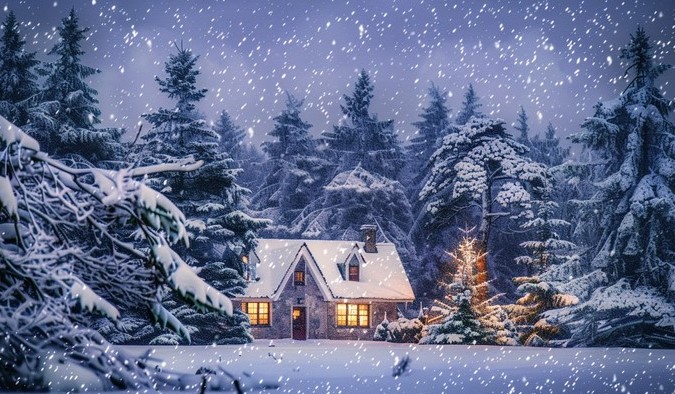
Source:https://images.stockcake.com
There is a distinct, unforgettable moment that happens every time I step out of a warm vehicle and into a snow-covered pine forest. It is the absolute, heavy silence. No traffic hum, no notification chimes—just the soft crunch of fresh powder under boots and the sharp, pine-scented air hitting your lungs.
After a decade of traversing off-grid trails, testing cold-weather gear, and staying in dozens of remote structures across the globe, I have learned that booking the right winter forest cabins isn’t just about finding a place to sleep. It is an art form that balances rugged wilderness immersion with essential safety and comfort.
If you are planning your first winter cabin getaway or looking to level up from a standard resort lodge, this guide breaks down everything you need to know to execute a flawless, magical winter retreat.
1. Why Winter Cabin Getaways Hit Different
Most travelers flock to the mountains in July, competing for crowded hiking trails and paying inflated summer rates. But visiting a forest cabin in the depths of winter offers a completely different psychological reset.
+------------------------+-------------------------------------------------------+
| Aspect                 | Winter Forest Cabin Experience                         |
+------------------------+-------------------------------------------------------+
| Crowd Density          | Minimal to none; true solitude                        |
| Visuals                | Snow-laden canopies, frosted windows, ambient firelight|
| Wildlife Observations  | High tracking visibility (animal prints in snow)      |
| Pacing                 | Slow living, focused on heat, rest, and atmosphere    |
+------------------------+-------------------------------------------------------+
When you are inside a well-insulated timber cabin while a snowstorm rolls through the canopy outside, your brain shifts gears. It is the ultimate expression of hygge—the Danish concept of cozy contentment. However, getting that experience right requires looking beyond glossy photos on booking platforms.
2. Choosing the Right Cabin Architecture and Amenities
Not all winter forest cabins are created equal. Over the years, I have stayed in everything from 19th-century uninsulated log huts to state-of-the-art Scandinavian glass igloos. For a balanced retreat, you need to know what structural features matter most when temperatures drop below freezing.
Architectural Styles
-
Traditional Log Cabins: Thermal mass is the hero here. Thick timber walls naturally absorb heat during the day and radiate it back indoors at night. They offer that classic rustic aesthetic, though older logs can sometimes feel drafty if chinking (the sealant between logs) is worn out.
-
A-Frame Cabins: These iconic triangular structures are engineered for heavy snowfall. The steep roof pitch prevents dangerous snow accumulation. While visually stunning and photo-friendly, keep in mind that heat rises rapidly into the loft area, leaving the main floor cooler.
-
Modern Off-Grid Micro-Cabins: Equipped with solar arrays, compost toilets, and high- R-value insulation panels, these offer zero-footprint stays without sacrificing sleek interiors.
Non-Negotiable Winter Amenities
When evaluating property listings, do not compromise on these four critical features:
-
Primary & Secondary Heat Sources: Ensure the property has a reliable primary heat source (such as forced air, radiant floor heating, or a propane furnace) alongside a traditional wood-burning stove or fireplace.
-
Mudroom or Air-Lock Entryway: A dedicated space to shed wet snow gear, boots, and heavy coats before stepping into the main living area keeps the inside dry and warm.
-
Backup Generator or Solar Storage: Winter storms frequently knock out rural power lines. A property with a backup power source ensures your water pump and heating controls stay functional.
-
Private Outdoor Hot Tub or Sauna: Soaking in 104°F (40°C) water while snow gently falls on your head is an unmatched experience, but verify with the host that the tub is serviced and pre-heated before your arrival.
3. The Technical Side: Off-Grid Comfort, Heating, and Insulation
Think of a winter cabin like a high-performance alpine jacket. If the outer shell leaks wind, or if the insulation gets damp, you freeze—no matter how stylish it looks. Understanding a few technical basics helps you evaluate cabins and manage your indoor climate effectively.
Mastering the Wood Stove
A wood stove is not just decorative; it is often your main engine for warmth. To get maximum efficiency without smoking out your living space:
-
Use Seasoned Hardwood: Always burn wood with a moisture content below 20%. Softwoods like pine create excessive creosote buildup in the chimney, raising fire hazards. Hardwoods like oak, maple, or birch burn hotter and longer.
-
Understand Draft Mechanics: Think of a chimney like a straw pulling air upward. Before lighting your fire, open a nearby window a crack for 30 seconds to equalize indoor pressure, then warm the chimney flue with a lit piece of rolled newspaper to establish a draft.
Water Line Protection in Sub-Zero Weather
In extreme cold, rural plumbing is vulnerable. Responsible hosts will provide specific instructions, but as a rule of thumb: if temperatures drop below 0°F (-18°C), leave cabinet doors under sinks open to allow indoor heat to reach the pipes, and let taps drip slowly overnight to prevent freeze-ups.
4. Packing and Preparation: Gear for a Seamless Stay
Packing for winter forest cabins requires a different mindset than standard travel. You need to prepare for both cozy indoor hours and unpredictable outdoor weather.
The Layering System for Forest Walks
Do not pack one massive, heavy jacket. Use a technical three-layer system instead:
-
Base Layer: Merino wool or synthetic thermal underwear. Never wear cotton, as it holds sweat against your skin and chills you instantly.
-
Mid-Layer: A fleece jacket or lightweight down sweater to trap body heat.
-
Outer Shell: A windproof and waterproof membrane (like Gore-Tex) to block wind and wet snow.
Pro Cabin Packing Checklist
-
Footwear: Insulated waterproof boots paired with high-cushion wool socks. Pack indoor slippers or wool slides to keep your feet off cold timber floors.
-
Lighting: High-lumen headlamps and rechargeable lanterns. Winter days in the forest are short, and outdoor property perimeter lighting can be sparse.
-
Emergency Kit: Portable power banks, a physical road map (GPS signals often drop in deep valleys), a multi-tool, and extra non-perishable food supplies for at least 48 hours beyond your planned stay.
-
Atmosphere Extras: Ground coffee beans, a hand-grinder, board games, and your favorite throw blanket to make the space feel instantly like home.
5. Pro Tips and Hidden Pitfalls
After a decade on the road, I have made every mistake in the book so you don’t have to. Here are my top insider tips for a hassle-free retreat.
Pro Tip: Verify All-Wheel Drive (AWD) & Snow Chain RequirementsNever assume a cabin access road will be plowed. Many private forest roads receive minimal maintenance. Always rent an AWD or 4WD vehicle with M+S (Mud + Snow) rated tires, and carry a set of fitted tire chains in the trunk. Ask your host directly about the gradient of the driveway—a steep, unplowed incline can strand a sedan in minutes.
Hidden Warning: Watch for Snow Load Hazards and Carbon MonoxideHeavy snowfall on metal roofs can slide off all at once in massive chunks (known as roof avalanches). Park your vehicle well away from the eaves of the cabin. Additionally, because winter cabins are tightly sealed against drafts, ensure the space has working Carbon Monoxide (CO) detectors—especially if you are running propane heaters or wood stoves continuously.
Plan Your Winter Retreat
Escaping to winter forest cabins is one of the most rewarding travel experiences you can have. It strips away the noise of daily life, anchors you in the rhythms of nature, and offers a level of peace that standard hotels simply cannot replicate. By picking the right structure, mastering your heat sources, and packing smart gear, you set the stage for an unforgettable winter memory.
Have you ever stayed in a remote winter cabin during a snowfall? What is your favorite way to unwind when the temperature drops? Drop a comment below and share your favorite winter cabin destinations or ask any prep questions before your next trip!