Save & Ride: Budget Train Passes for Explorers
August 21, 2026
No Comments
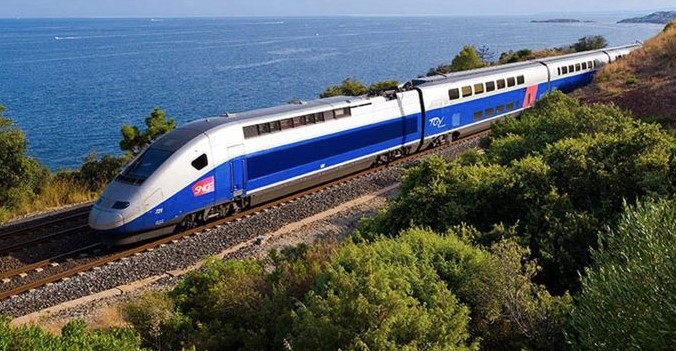
Source:https://s.hdnux.com
You walk up to a ticket counter at Paris Gare de Lyon, request a last-minute high-speed ticket to Zurich, and watch the agent point to a screen showing €190 for a single two-hour leg. That gut-wrenching moment of sticker shock has derailed more travel budgets than all overpriced airport coffees combined.
After ten years of navigating rail networks across five continents—logging well over 100,000 kilometers on steel tracks—I can tell you that paying point-to-point walk-up fares is the ultimate beginner mistake. Budget train passes are the golden key to unlocking unlimited territorial mobility, provided you know how to calculate seat reservation fees and route efficiency.
                    THE OVERLAND COST DYNAMICS

   Point-to-Point Tickets                Strategic Train Passes
┌──────────────────────────┐            ┌─────────────────────────┐
│ • Surging peak fares     │            │ • Fixed daily rate      │
│ • Single-use rigidity    │   ──────►  │ • Spontaneous routing   │
│ • High last-minute costs │            │ • Massive long-haul ROI │
│ • Missed train penalties │            │ • Integrated city transit│
└──────────────────────────┘            └─────────────────────────┘
Why Budget Train Passes Dominate Modern Overland Travel
Think of a multi-country rail pass like an all-inclusive buffet pass for overland transit. If you only eat a side salad, you lose money; but if you stack your plate with high-speed regional connections and scenic mountain routes, your cost-per-kilometer plummets dramatically.
When used correctly, budget train passes flatten the price volatility of high-speed rail lines, giving you complete itinerary flexibility without the financial punishment of last-minute bookings.
Here is why rail pass systems outperform both budget flights and regional buses:
-
Central City Access: Trains deposit you directly in urban cores, eliminating expensive airport taxi transfers and two-hour security lines.
-
Predictable Cost Structures: You lock in a fixed daily transportation expense, making long-term budget tracking simple.
-
Spontaneity Protection: If you fall in love with a small Alpine village along your route, you can hop off, explore for three hours, and board the next train without buying a new ticket.
Top Global Rail Network Passes Every Explorer Should Know
Over my decade on the tracks, I’ve battle-tested rail networks worldwide. Three global pass systems stand far above the rest for coverage, speed, and real economic value.
1. The Eurail / Interrail Pass (Europe)
The undisputed king of rail passes grants access to over 30 national rail companies across 33 European countries.
-
Best For: Multi-country European backpacking and flexible cross-border itineraries.
-
Key Highlight: Seamless transitions between regional express trains (like Austria’s ÖBB or Germany’s DB ICE network) where no mandatory seat reservations are required.
2. The Japan Rail (JR) Pass (Japan)
Japan’s high-speed Shinkansen bullet train network is legendary for a reason—unmatched punctuality and high frequency.
While recent pricing updates require strategic planning, a regional or national JR Pass still offers incredible value if your route connects long-distance corridors like Tokyo, Kyoto, Osaka, and Hiroshima within a tight time frame.
3. The Swiss Travel Pass (Switzerland)
Switzerland’s dense transit web is one of the most engineered systems on Earth, integrating trains, panoramic routes, cable cars, ferries, and city buses into one single barcode.
-
Best For: High-altitude mountain explorers and scenic route seekers.
-
Key Highlight: Unlimited travel on legendary scenic routes like the Glacier Express, plus free admission to over 500 museums nationwide.
| Pass Name | Coverage Region | Best Use Case | Hidden Advantage |
| Eurail Global Pass | 33 European Countries | High-mileage, multi-country routes | Free/discounted ferry crossings |
| JR Regional Pass | Targeted Japanese Regions | Dense mid-range regional loops | Includes local JR city buses & ferries |
| Swiss Travel Pass | Switzerland Nationwide | All-inclusive alpine transit | 50% discount on high-altitude cable cars |
| USA Rail Pass (Amtrak) | Nationwide United States | Long-distance scenic overland journeys | 10 segment rides over a 30-day window |
Technical Mechanics: Avoiding Pass Pitfalls
Buying a pass is only step one; knowing how to execute your travel days without incurring unexpected penalty fees is where true rail expertise comes in.
The “Seat Reservation” Variable
A common misconception among beginner travelers is assuming a rail pass acts as an instant boarding pass for every single train. High-speed rail networks (like France’s TGV, Italy’s Frecciarossa, or international Eurostar lines) enforce mandatory seat quotas for pass holders.
-
Mandatory Reservation Lines: You must purchase a seat reservation supplement (€10–€30) prior to boarding.
-
Non-Reservation Lines: Regional trains (denoted as RE, RB, or TER in Europe) allow pass holders to hop on and take any open seat for zero extra cost.
Calculating Your Break-Even Point
Before purchasing any budget train passes, do basic route math using this formula:
$$\text{Break-Even Daily Rate} = \frac{\text{Total Pass Cost}}{\text{Number of Travel Days}}$$
Compare this daily baseline against point-to-point ticket prices on local rail apps. If your planned long-haul journey costs significantly more than your daily pass average, the pass wins instantly.
Pro Tips & Hidden Warnings: Hard-Learned Track Secrets
After ten years of riding everything from overnight sleeper cars to bullet trains, I’ve gathered a few non-negotiable rules for smooth transit.
Pro Tip: Download official offline timetable apps (such as Rail Planner for Europe or Navitime for Japan) before starting your journey. These tools allow you to filter routes specifically by “Trains without mandatory seat reservations,” saving you hundreds of dollars in extra fees.
Hidden Pitfalls to Avoid:
-
Beware the Midnight Midnight Rule: A “flexible travel day” runs from 00:00 to 23:59. If you board a night train at 11:30 PM, you will burn a full travel day for those first 30 minutes unless you book an uninterrupted overnight sleeper car.
-
First Class vs. Second Class Value: Unless you require whisper-quiet work cars or extra luggage rack space, second-class pass tiering on modern European and Asian trains offers virtually identical legroom and charging access for 30% less money.
-
Paper vs. Digital Pass Activation: Digital app passes must ping a central server periodically. Always screenshot your active QR codes and keep your passport linked directly to your digital pass for conductor validation checks in dead-zone tunnels.
Roll Forward on the Steel Rails
Exploring the world by train brings back the romance, scale, and slow-travel joy that modern commercial aviation took away. Mastering budget train passes stops you from overpaying for transit and opens up spontaneous detours across mountain passes and quiet border towns.
By calculating your route math in advance, dodging unnecessary reservation fees, and picking the right regional networks, you convert transit from a stressful expense into the highlighted backbone of your entire journey.
What is your favorite rail journey you’ve ever taken, or which global train route sits at the top of your travel bucket list? Drop your thoughts in the comments below, or ask your burning route-planning questions so I can help you pick the perfect pass for your next adventure!